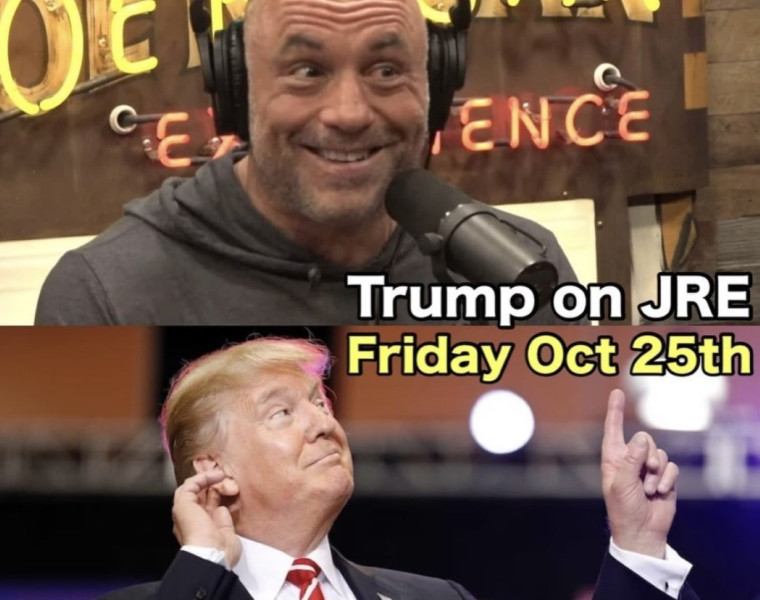
On April 18, 2026, in an unprecedented move, President Donald Trump signed an executive order to expedite the review of certain psychedelic drugs, marking a significant shift in U.S. mental health policy. At his side, Joe Rogan, the controversial podcaster, stood as a key influencer in this new direction. The announcement, made in the Oval Office, was a spectacle of political and cultural currents colliding, leaving many to ponder the implications of a White House psychedelic revolution.
The Unlikely Alliance: Trump and Rogan
In a stunning turn of events, Joe Rogan was seen in the Oval Office, standing alongside President Trump as the executive order was signed. Rogan, known for his outspoken views and podcasting career, has been a vocal critic of Trump's policies in the past, particularly regarding the war in Iran. Yet, here he was, a central figure in Trump's latest initiative. Rogan had reportedly texted Trump information on ibogaine, a psychedelic drug known for its potential to treat addiction and other mental health issues. Trump's response? "Sounds great." Gone.
This alliance, surprising to many, underscores the complex web of influences that can shape policy. Trump, known for his unconventional approaches, has found common ground with Rogan in the realm of mental health treatment. The psychedelic revolution, once considered fringe, is now at the doorstep of the White House. Think again.
Executive Order: Speeding Up Research and Regulation
The executive order, signed on April 18, 2026, directs the FDA to accelerate the review process for psychedelic drugs such as ibogaine. This move comes as a response to the growing body of research indicating the potential benefits of these substances in treating conditions like PTSD, depression, and addiction. Trump's decision was prompted, in part, by conversations with podcaster Joe Rogan, who has long advocated for the benefits of psychedelic treatments in his podcast.
"Joe Rogan has been a strong advocate for psychedelic research, and his influence has clearly reached the highest levels of government," noted a White House spokesperson. "This executive order is a testament to the power of grassroots advocacy and the potential of alternative treatments in mental health."
The order specifies that the FDA will prioritize the review of ibogaine and other related substances, potentially speeding up the availability of these treatments for veterans and others suffering from PTSD and other mental health issues.
The Impact: Policy and Public Perception
But what does this mean for the broader public? The executive order is a significant shift in policy, reflecting a growing acceptance of alternative mental health treatments. However, it also raises questions about the influence of public figures like Joe Rogan on policy decisions.
"This is a pivotal moment in mental health policy," said Dr. Jane Harper, a leading expert in psychedelic research. "The involvement of figures like Joe Rogan highlights the intersection of media, public opinion, and policy-making. It's a complex dynamic that could reshape how we approach mental health treatment."
But here's a question that shifts perspective: if mental health treatment is indeed revolutionized by psychedelics, will it be through scientific rigor or celebrity influence? As the public and policymakers grapple with these questions, one thing is clear: the Joe Rogan and Donald Trump's psychedelic revolution is just beginning.
The White House, once a bastion of traditional policy, is now speeding up research into drugs that were once taboo. The Joe Rogan and Trump alliance, unlikely as it may seem, is a testament to the evolving landscape of mental health treatment in the United States.