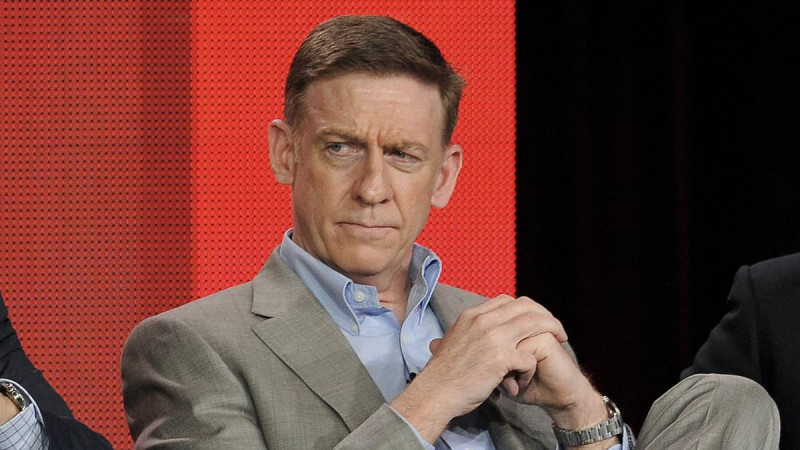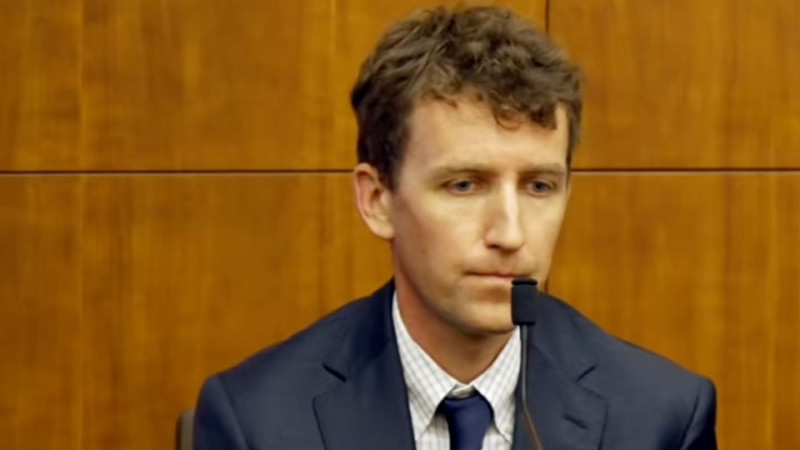
In the fluorescent glare of the briefing room, the name Cole Tomas Allen echoed through the air, stark against the hum of phones buzzing in pockets. The 2026 White House Correspondents' dinner was no longer a night of laughter and celebrity sightings — it had become a crime scene, a stark reminder of the volatility of the times we live in. Allen, a 31-year-old from Torrance, California, had been identified as the suspect in a shooting that left the nation reeling. The question on everyone's mind: who is Cole Tomas Allen?
The Rise of a Gunman
Cole Tomas Allen, also known as "Cole 'coldForce' 'Friendly Federal Assassin' Allen," was a tutor from Torrance, California. In a chilling twist, his profile photo from a 2025 profile appeared to match the man in a photo of the alleged attacker being taken into custody. The image was posted by none other than President Donald Trump, adding a layer of surrealism to the unfolding drama. The question of Cole Allen's identity as a shooter was no longer hypothetical.
Allen was taken into custody on April 25, 2026, after a terrifying incident at the Washington Hilton, where gunfire erupted near the packed ballroom. Federal authorities subdued Allen, who had attempted to breach the security of the White House Correspondents' Association dinner. The shooting, while not resulting in any deaths, left the nation grappling with the implications of the attack.
Motives and Manifestos
As law enforcement agencies scrambled to piece together Cole Allen's motives, a document surfaced which shed some light on his mind-set. Signed "Cole 'coldForce' 'Friendly Federal Assassin' Allen," the document hinted at religious motivations behind the shooting. This revelation brought into sharp focus the complex interplay of personal grievances and broader ideological beliefs that often drive such acts of violence.
The document also highlighted an intricate online persona, with Cole Allen operating under an array of aliases, including "coldForce" and "Friendly Federal Assassin." This digital trail, as well as Allen's actions, painted a picture of a man deeply enmeshed in extremist ideologies, driven by a strong antipathy towards Donald Trump, a sentiment that would have found its most public expression at the White House Correspondents' dinner. Allen's motives, however, were not limited to political animosity, as the perceived religious underpinnings of his actions added another layer of complexity to the investigation. And how these factors would interplay with each other — and shape the narrative of the shooting — remained a central point of contention.
In the aftermath of the shooting, law enforcement sources identified Cole Tomas Allen, 31, of Torrance, as the man responsible for the incident. Allen's background as a tutor and his residence in the Los Angeles suburb of Torrance added a layer of intrigue to the investigation, as authorities sought to understand what could drive a seemingly ordinary individual to such an extreme act.
The White House Correspondents' dinner is not just an event; it's a microcosm of the political and media landscape. The shooting has brought into sharp focus the vulnerabilities of high-profile gatherings and the potential for violence in today's polarized climate.
—Local reporter, Erika Kirk
The Aftermath and Future Implications
The shooting at the White House Correspondents' dinner has left many questions unanswered. Why did Cole Tomas Allen choose this particular event and moment to make his move? What can be done to prevent such incidents in the future, not just at high-profile events but in public spaces across the nation? The answers to these questions are far from clear, but one thing is certain: the shooting has forever altered the narrative of the White House Correspondents' dinner and the way we perceive the threat of violence in our midst.
The presence of Cole Tomas Allen at the White House Correspondents' dinner and his subsequent actions raised critical questions about security protocols and the identification of potential threats in high-stakes environments. The incident underscored the urgent need for enhanced measures to safeguard public events, particularly those with political and media significance. As the nation grapples with the aftermath, the focus remains on uncovering the deeper motives behind the shooting and ensuring that such incidents do not recur in the future.
As we sift through the pieces of the puzzle, the name Cole Tomas Allen continues to haunt the collective consciousness, a grim reminder of the complexities of modern society and the potential for violence lurking in the shadows of even the most tightly controlled events.