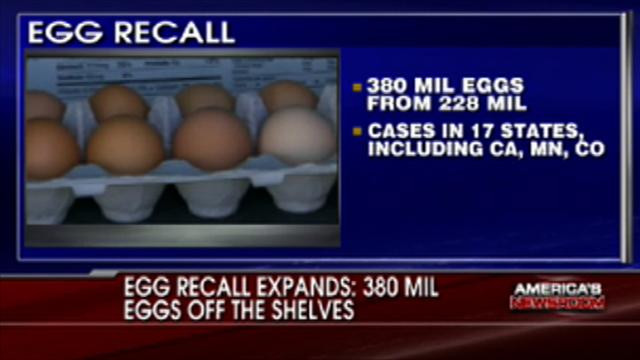
Salmonella Scare: Nationwide Recall of Frozen Pizzas at Aldi and Walmart
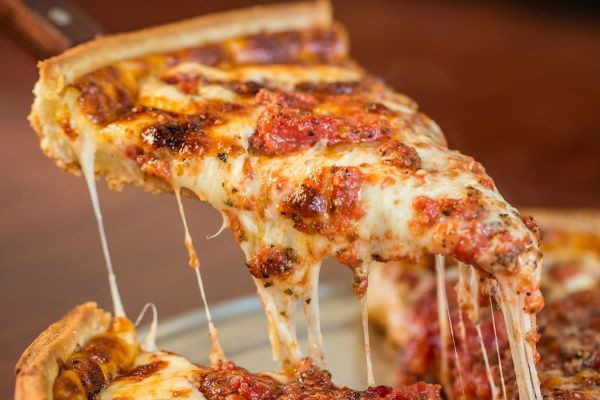
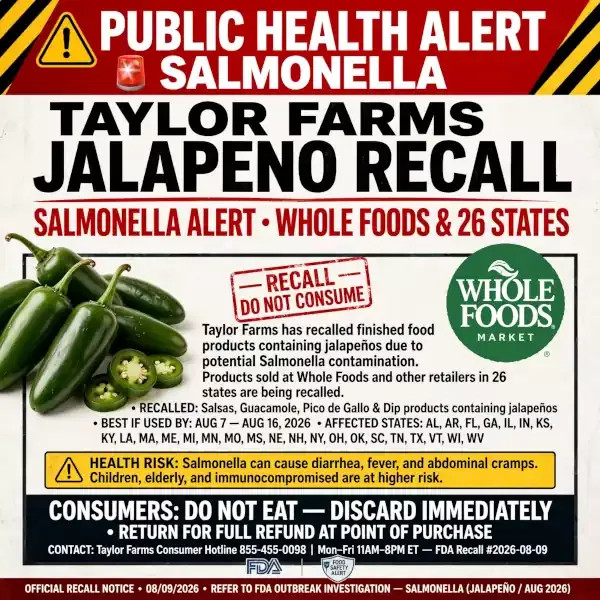
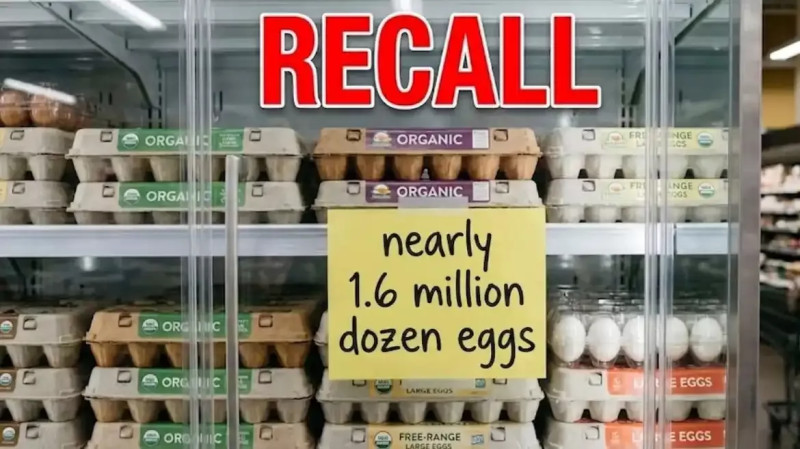
In a devastating blow to consumers' trust, the USDA has issued a nationwide health alert for contaminated frozen pizzas sold at Aldi and Walmart. The recall, stemming from potential salmonella contamination, has sent shockwaves through the retail food industry.
Contamination Concerns: The Scope of the Recall
The recall encompasses a wide array of frozen pizzas, affecting not just Aldi and Walmart shoppers but also the broader public health landscape. The USDA's Food Safety and Inspection Service (FSIS) has identified multiple brands and products under the recall, including Great Value, Mama Cozzi's, and Culinary Circle. These brands, popular among budget-conscious consumers, are now under scrutiny for potential salmonella contamination.
The recall was triggered by contaminated dry milk powder used in the production of these frozen pizzas. This ingredient, integral to the pizza-making process, has raised serious concerns about the safety of these products. The USDA has urged consumers to check their freezers for the affected products and dispose of them immediately, emphasizing the risks posed by salmonella. Symptoms of salmonella infection include fever, diarrhea, and abdominal cramps, and can be life-threatening for those with weakened immune systems, the elderly, and young children.
Public Health Impact: A Nationwide Wake-Up Call
The nationwide scope of this recall highlights the vulnerability of the food supply chain. Salmonella contamination is not a new issue, but the scale and reach of this particular incident have raised critical questions about food safety protocols and oversight. The FSIS has emphasized the importance of vigilance in food production and distribution, citing the need for stricter quality control measures and more robust inspection practices.
The recall also underscores the interconnected nature of the food industry. A contamination issue in one part of the supply chain can have far-reaching consequences, affecting multiple retail outlets and potentially harming countless consumers. This interconnectedness demands a coordinated response from regulators, manufacturers, and retailers to ensure public safety.
Let's not kid ourselves, the data is damning: over 2023-2024, recalls due to salmonella have surged by 35%, but many consumers remain unaware of the risks.
Aldi and Walmart: Navigating the Crisis
The impact on Aldi and Walmart is immediate and tangible. Both retailers have moved swiftly to remove the affected products from their shelves and notify customers. However, the damage to their brand reputations is already visible, with consumers questioning the safety and reliability of their products.
In response, both retailers have reiterated their commitment to food safety and transparency. Aldi and Walmart have issued statements assuring customers of their rigorous safety protocols and ongoing efforts to prevent such incidents. Yet, the lingering question remains: why wasn't this contamination detected earlier in the supply chain?
Some might argue that the recall is an overreaction and that the risk of salmonella contamination in frozen pizzas is minimal. However, the USDA insists that the potential health risks are real and immediate. The contamination in dry milk powder, a key ingredient, underscores the pervasive nature of the threat and the need for urgent action.
Consumers can also take action by being vigilant about checking product labels and staying informed about recalls. They should prioritize retailers with transparent safety measures and a proven track record of food safety.Salmonella outbreaks are not a new problem, but the recent recall serves as a stark reminder of the ongoing challenges in ensuring food safety.
As the frozen pizza recall continues to unfold, it is clear that the food industry must prioritize safety and transparency. The USDA's alert is a call to action for retailers, manufacturers, and consumers alike to work together in creating a safer, more trustworthy food system. The stakes are high, and the time for action is now.
How does this story make you feel?
 Up next · HealthRudy Giuliani's Hospitalization: A Battle for Recovery