FDA Class I Egg Recall: The Deadly Salmonella Contamination Crisis
The Scope of the Salmonella Egg Recall Crisis
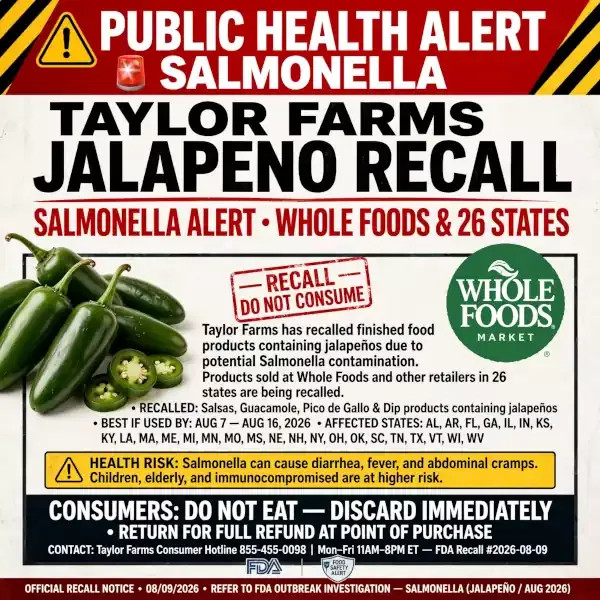
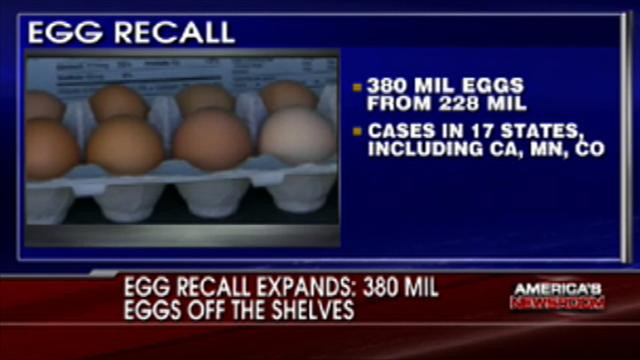
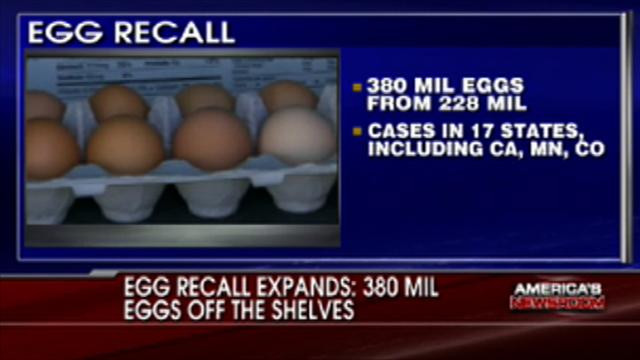
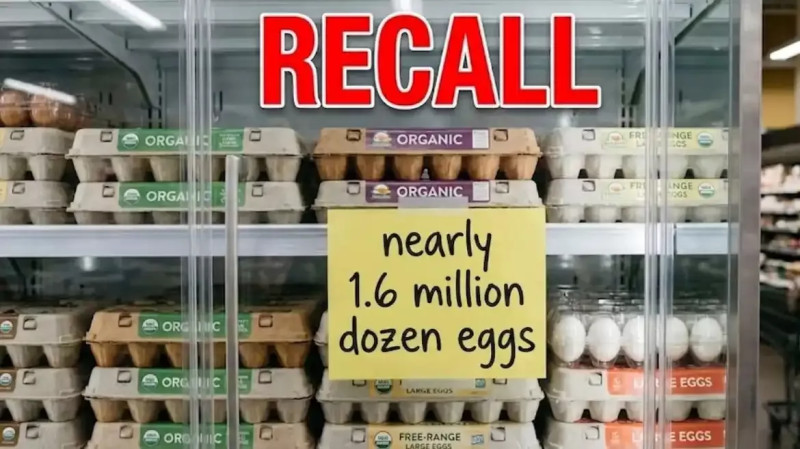
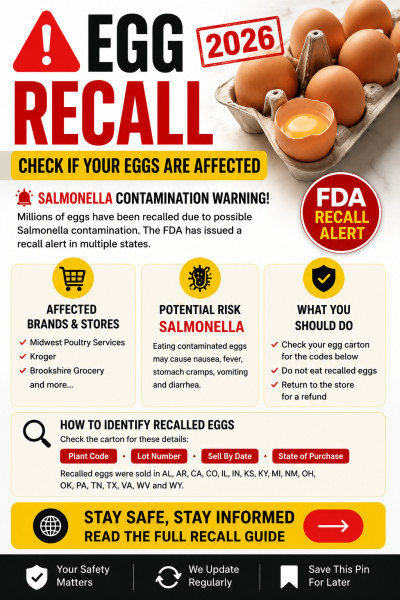
The magnitude of the egg recall is staggering. Nearly 19 million eggs, produced by Midwest Poultry Services, are under scrutiny. The contaminated eggs were sold primarily at Kroger stores, with specific carton codes P-1950 and 0840962, and Julian dates ranging from 157 to 184. These eggs have best-by dates through August 17, 2026, though the exact date is uncertain.
Salmonella, a bacteria known for causing severe gastrointestinal illness, has been linked to 98 reported illnesses across 17 states. The FDA's decision to elevate the recall to Class I underscores the gravity of the situation. This classification is reserved for cases where there is a strong likelihood of severe health consequences or death following exposure.
Consumer Impact and Health Risks
For consumers, the FDA Class I salmonella egg recall means a heightened state of caution. Those who have purchased eggs from the affected lots are urged to immediately check their refrigerators and dispose of any suspect products. Symptoms of Salmonella infection include fever, diarrhea, and abdominal cramps, which typically begin within 12 to 72 hours after exposure. While most people recover without treatment, young children, the elderly, and individuals with compromised immune systems are at higher risk of severe illness.
The recall serves as a stark reminder of the ever-present dangers lurking in our food supply. The fda class i egg risk classification means that the potential health risks are not to be taken lightly. The FDA's warning underscores the need for vigilance and immediate action to mitigate the spread of this dangerous pathogen.
In the fluorescent glare of the briefing room, the hum of phones buzzing in pockets, and the tense atmosphere of those present, the severity of the Salmonella egg recall was palpable. The FDA's announcement has sent ripples of concern through the public health community. — This is more than just a recall; it's a wake-up call for consumers to be more mindful of the food they purchase and consume — Dr. Emily Thompson, Public Health Expert.
Regulatory Response and Public Safety Measures
The FDA's swift action in upgrading the recall to Class I is a testament to the agency's commitment to public safety. The agency has been working closely with state and local health departments to investigate the outbreak and trace the source of the contamination. Midwest Poultry Services, the producer of the recalled eggs, has been cooperating with the investigation, but the source of the contamination remains under scrutiny.
The fda class i egg recall is a stark reminder of the complexities involved in ensuring food safety. Despite stringent regulations and monitoring, outbreaks like these underscore the need for continuous improvement in food safety protocols. The recall serves as a wake-up call for the industry to prioritize public safety and implement more robust measures to prevent such incidents in the future.
The FDA Class I salmonella egg recall, while alarming, is not the first time the country has faced a public health crisis of this nature. It brings to mind the 2010 outbreak of E. coli in spinach, which led to widespread illness and death. Much like that crisis, the current egg recall highlights the interconnected nature of our food supply and the need for vigilant oversight. Just as in the spinach crisis, this recall could pave the way for stricter regulations and enhanced safety measures in the poultry industry, ensuring that such incidents are avoided in the future.
How does this story make you feel?
 Up next · HealthFDA's Urgent Egg Recall: Millions of Eggs Linked to Salmonella Outbreak