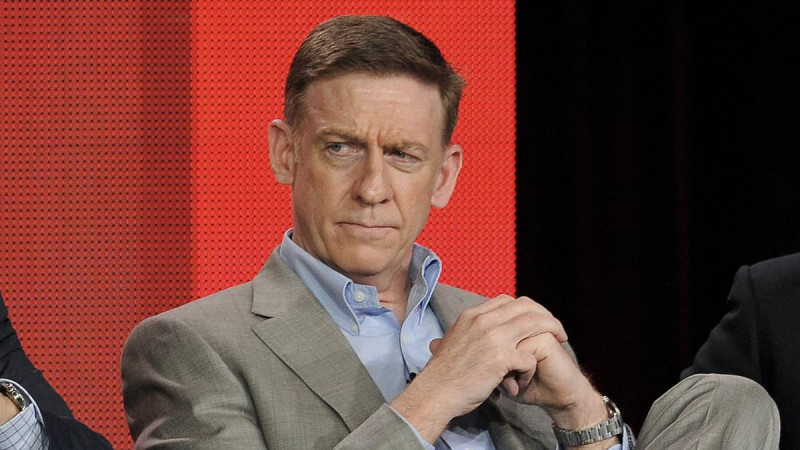
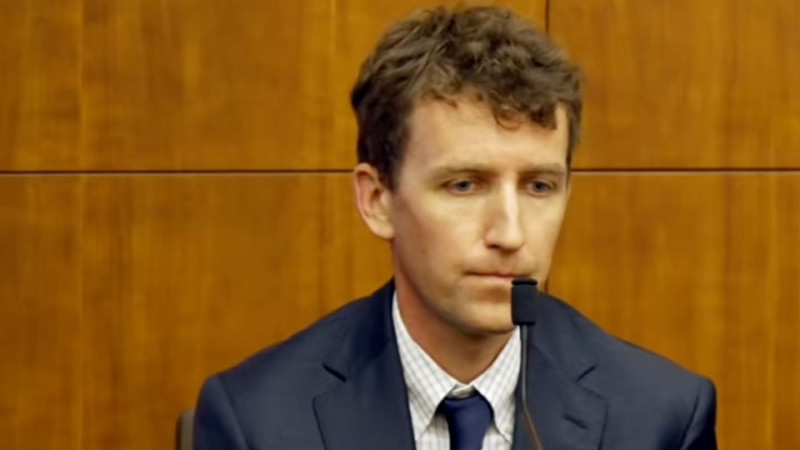
In the labyrinth of institutional power, few figures cast as long a shadow as Dr. Anthony Fauci. The former director of the National Institute of Allergy and Infectious Diseases (NIAID) is remembered for navigating the most perilous public health crises of the 21st century. Yet, his legacy is more complex. The recent revelation of CIA ties, particularly through James Erdman III, a former CIA analyst, is reshaping our understanding of Fauci's public health influence.
Fauci's Prologue: A Legacy of Controversy
Fauci's career is punctuated by milestones that have both defined and divided public opinion. The COVID-19 pandemic thrust him into the national spotlight, where his advice became as contentious as it was influential. His public health guidelines were often met with skepticism, even as they guided millions through the pandemic.
Critics have long scrutinized his decisions. None more so than the origin of COVID-19. Did the virus escape from a Wuhan lab? Or did it jump from an animal host to humans? Fauci's stance on this question has been a moving target, and questions linger about his role in the lab leak debate.
CIA Involvement: James Erdman III and Fauci's Shadows
Who was James Erdman III? A name that surfaced in the labyrinthine corridors of the CIA. Erdman, a former analyst, has been linked to Fauci through connections that stretch back decades.
How did Erdman's influence play out in Fauci's career? Was Erdman a guide, a shadow, or something more sinister? The answers, like many in the world of intelligence, are elusive. What is clear, however, is that Erdman's association sheds new light on Fauci’s decisions, particularly during the COVID-19 pandemic.
Erdman's career spanned critical periods in U.S. intelligence. From the 1990s to the 2010s, his work intersected with pivotal public health crises, including SARS, Ebola, and the HIV/AIDS pandemic.
Think again. What if the CIA’s intelligence on global health threats was not just a byproduct of national security but a direct influence on public health policy?
Erdman’s Influence on Fauci's Decisions
Erdman’s CIA tenure saw him collaborate with Fauci on numerous occasions. His insights, honed in the shadows of intelligence, were invaluable to Fauci’s decisions.
Was Erdman's influence purely advisory? Or did it steer Fauci towards policies that aligned with broader geopolitical aims? The questions are as complex as the man himself.
Erdman’s legacy in the CIA is one of quiet but profound influence. His work focused on bioterrorism and pandemic preparedness, areas that directly intersect with Fauci's expertise. Erdman’s insights were likely pivotal in shaping Fauci's understanding of global health threats.
Gone. Erdman left the CIA in 2017, but his influence lingers. His departure coincided with a period of heightened scrutiny for Fauci, raising questions about the continuity of his policies and the external influences that shaped them.
Nobody saw this coming. The revelation of Erdman’s involvement has sent shockwaves through the public health community. It challenges the narrative that Fauci’s decisions were purely scientific, suggesting a deeper, more political undercurrent.
Fauci’s public health legacy is now entangled with the shadowy world of intelligence. Erdman's influence raises questions about the role of intelligence agencies in public health policy.
Can we ever untangle the threads of Fauci’s legacy from Erdman’s shadow? The answer, for now, is no. The revelations about Erdman’s influence have cast a long shadow over Fauci’s career, reshaping our understanding of his public health impact.
The public health community is grappling with a new reality: the intertwined worlds of intelligence and health policy. This revelation shifts the narrative, forcing us to question the true nature of Fauci's influence. “This is a tectonic shift in our understanding of Fauci’s legacy,” said a public health expert, “and it’s only the beginning of what we might uncover.”