Red Sox Trade Curtis Mead: A Bold Move with a Price

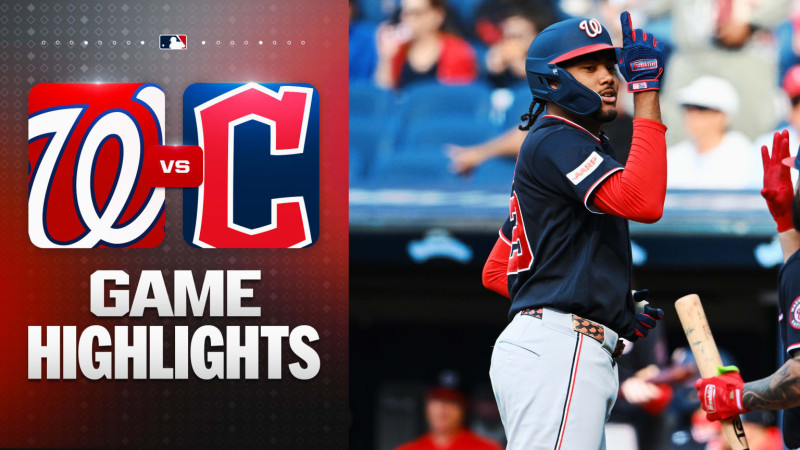
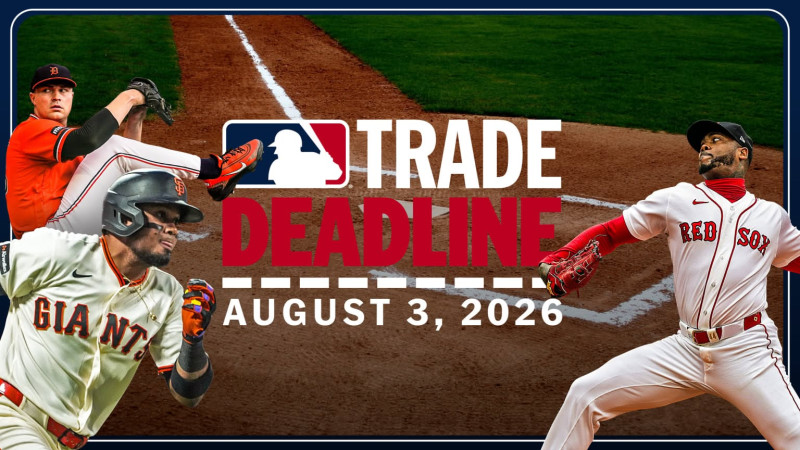
The Boston Red Sox have made a significant splash in the MLB trade market, acquiring infielder Curtis Mead from the Washington Nationals in exchange for left-handed pitcher Connelly Early. This trade, announced on July 26, 2026, comes just over a week before the August 3 trade deadline. The move is a clear indication that the Red Sox are aggressively pursuing reinforcements to strengthen their lineup, especially as they battle for a spot in the American League Wild Card race.
Red Sox Secure a Powerful Right-Handed Bat
The acquisition of Curtis Mead fills a critical need for the Red Sox, who have been on the hunt for a reliable right-handed bat. Mead, a 24-year-old infielder, was a prominent prospect in the Nationals' system and has shown considerable potential at the plate. With a powerful swing and a .280 batting average, he brings much-needed offensive firepower to a Red Sox lineup that has struggled for consistency. His versatility, being able to play both first and third base, adds depth to the team’s infield options, especially with injuries and performance slumps plaguing key players.
Mead's acquisition also secures a valuable asset for the future. Under team control through 2030, he fits seamlessly into the Red Sox’s long-term plans, providing both immediate and future value. This deal is a testament to the Red Sox's strategic approach, balancing immediate needs with future flexibility. Chief baseball officer Craig Breslow has made it clear that this is just the beginning of their trade activities, as they continue to bolster their lineup.
The Cost of Curtis Mead: Connelly Early
The trade, while securing a powerful right-handed bat, comes at a cost. Connelly Early, a promising left-handed pitcher, was a valuable young prospect in the Red Sox’s pitching arsenal. Early, 22, had shown flashes of brilliance in his short MLB career, with a 3.15 ERA in 2026, suggesting a bright future ahead. However, the Red Sox’s decision to part with Early indicates their belief in Mead's potential impact on the team and willingness to take a risk in their pursuit of a playoff spot.
This trade has sparked debate among analysts and fans alike. While some view it as a strategic move to boost the lineup, others argue that the Red Sox overpaid significantly for Mead, given Early's potential. A rival evaluator called the trade a “massive overpay” by the Red Sox, highlighting the high stakes involved in such a deal. Regardless of the debate, the Red Sox’s decision underscores their commitment to winning now, even if it means parting with a promising prospect.
Red Sox's Next Steps and Future Moves
The acquisition of Curtis Mead is just one step in the Red Sox’s broader strategy. With the trade deadline looming, the team is expected to make more moves to further strengthen their lineup and pitching staff. Given their current standing in the American League Wild Card race, the Red Sox need to address multiple areas, including the bullpen and starting rotation. Last year, a similar deadline push saw the team add key players who played pivotal roles in their postseason run. This year, the challenge is even more daunting, with fierce competition in the league.
Mead’s arrival is a game-changing move, but it’s not the only one the Red Sox are expected to make. Reports suggest that the team is actively pursuing more deals to bolster their roster, particularly in the outfield and starting rotation. One name that has surfaced in trade rumors is veteran outfielder Ryan Miller, who could provide the experience and stability the Red Sox desperately need. Another rumored target is Rafael Martinez, a left-handed pitcher with a strong track record. Both players could significantly enhance the Red Sox’s chances of making a deep playoff run.
“This is a high-stakes game, and the Red Sox are playing to win. Curtis Mead brings a lot to the table, but it remains to be seen if the cost of Connelly Early will be worth it in the long run.” – MLB Insider
The Red Sox’s trade for Curtis Mead is a bold move that reflects their aggressive strategy to secure a playoff spot. While the cost of Connelly Early is significant, the potential impact of Mead on the team’s performance could justify the risk. As the August 3 trade deadline approaches, all eyes will be on the Red Sox to see if they make more moves to solidify their position in the American League. The future of the Red Sox’s season hinges on their ability to navigate these high-stakes trades, and only time will tell if this gamble pays off.
How does this story make you feel?
 Up next · SportsBarcelona SC vs LDU Quito: The Clash of Ecuadorian Giants