James Comey's Seashells Saga: A Legal Storm over Social Media Speech
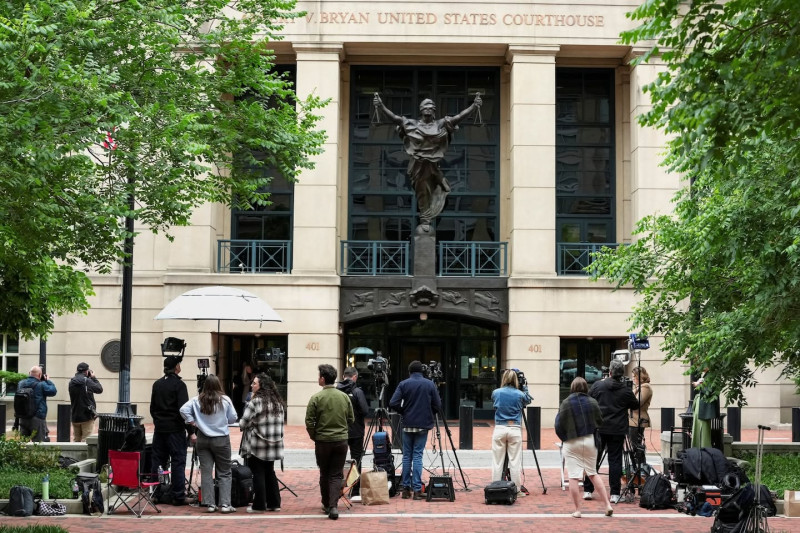
The political and legal maelstrom that is James Comey’s career has hit another milestone. Former FBI Director James Comey faces a potentially devastating legal battle, stemming from an unusual medium: a seashell arrangement on Instagram. This bizarre turn of events underscores the delicate balance between political speech and perceived threats in the era of social media.
The Instagram Post That Stirs Controversy
In an unprecedented move, James Comey now stands accused of threatening the life of former President Donald Trump through an Instagram post. The post in question features a picture of seashells arranged to spell out "8647." While to some, this may seem like an innocuous seashell collage, federal prosecutors contend that it constitutes a coded threat against Trump.
Comey's legal team, however, argues that this interpretation is flawed. They assert that the post was a form of political speech, protected under the First Amendment. Comey’s attorneys have filed a motion seeking the dismissal of the indictment, claiming that the government’s interpretation of the post as a threat is both misguided and unconstitutional.
Legal Arguments and Implications
Comey’s legal strategy hinges on the fundamental protections afforded by the First Amendment. His lawyers contend that the seashells post is a form of political expression and not a threat. The argument focuses on the intention and context of the post, which Comey claims is a facet of his ongoing critique of the Trump administration.
“This indictment targets protected speech at the heart of the First Amendment,” Comey’s attorneys argue, emphasizing that political speech, even if it is perceived as controversial, should not be criminalized. The defense challenges the government’s ability to prove that the seashells post was intended as a threat, arguing that it is a stretch to interpret the post as anything but a political statement.
The case raises broader questions about the limits of free speech in the digital age. As social media platforms become more integral to political discourse, the line between protected speech and criminal threats can become blurred. This case could set a precedent for how political speech is interpreted and regulated, especially when it involves indirect or coded messages.
Public Reaction and Political Context
Public and political reactions to the seashells case have been varied and polarized. Critics of Comey view the post as a calculated attempt to undermine Trump, while supporters see it as a form of artistic and political expression. The case has reignited debates about the role of social media in political communication and the potential for misinterpretation.
The seashells case also comes at a time when political tensions are running high. With ongoing debates about free speech and the limits of political expression, the outcome of this legal battle could have far-reaching implications for how future cases are handled. The case will likely be closely watched by legal scholars, political analysts, and the public alike, as it navigates the complex intersection of law, politics, and social media.
“This indictment targets protected speech at the heart of the First Amendment.”
— James Comey's attorneys
The seashells saga is a microcosm of broader debates about political speech and the limits of free expression in the digital age. As the legal battle unfolds, one question looms large: how will the courts balance the need for security with the protection of political expression? This question is all the more pressing as social media continues to evolve as a central arena for political discourse. The seashells case serves as a stark reminder of the potential for misinterpretation and the delicate balance that must be struck between freedom of speech and the prevention of threats.
How does this story make you feel?
 Up next · PoliticsNavigating Supplemental Security Income in 2026