In the Imperial Courtroom, James Comey Faces the Seashells of Dispute
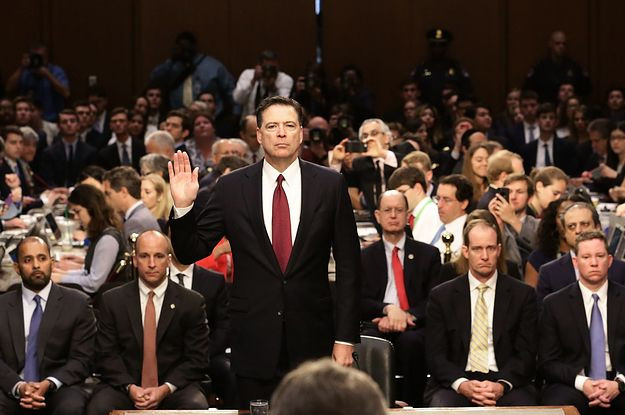
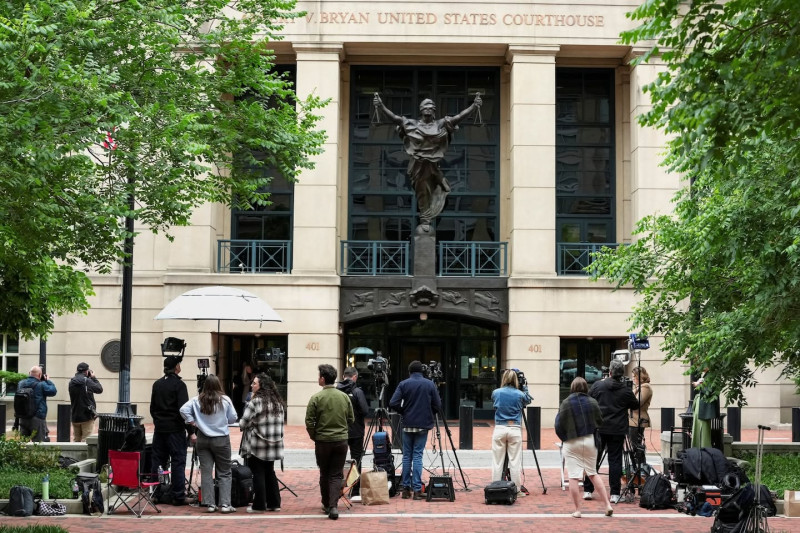
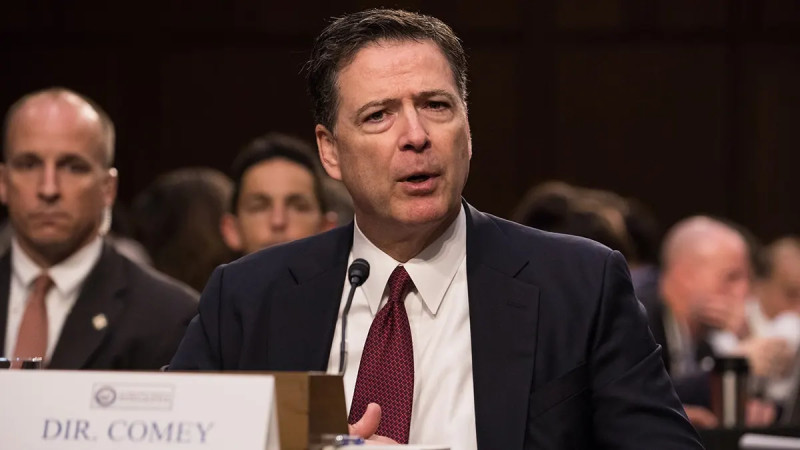
It’s a sunny afternoon in the federal courtroom of Alexandria, Virginia, but the atmosphere is tense. James Comey, the former FBI director, stands before the judge, his face a mask of composed seriousness. The reason for his presence? An indictment based on a seashells post on Instagram. The charge: threatening the life of President Donald Trump.
Comey's Seashells Case: What's the Fuss?
The seashells case has turned into a legal conundrum. It all began when Comey shared a photo on his Instagram, a picture of seashells arranged to spell out "8647." The Department of Justice alleges that this innocent-seeming post was a coded threat against the former president.
Comey, however, maintains that the post was merely a comment on a natural phenomenon, nothing more, nothing less. His attorneys have filed a motion to dismiss the indictment, arguing that it infringes on his right to free speech under the First Amendment. The legal battle is just beginning, with Comey’s team asserting, "This indictment targets protected speech at the heart of the First Amendment."
Legal Experts Skeptical of Seashells Case
While the courtroom drama unfolds, legal experts outside are shaking their heads. The seashells case, they say, is a stretch. "Cool shell formation," was Comey’s simple caption on the post, which he later deleted. The Justice Department’s interpretation of this as a threat is met with widespread skepticism. The case hinges on interpreting the intent behind an ambiguous Instagram post, a challenge that has legal scholars scratching their heads.
Yet, the case continues. Comey’s attorneys have argued that the charges should be dropped, citing First Amendment protections. "The prosecution’s interpretation of the post is far-fetched and lacks legal foundation," they contend. Meanwhile, the prosecution stands firm, insisting that the seashells' arrangement and the deletion of the post are sufficient evidence of a threat.
The Seashells Case and the Erosion of Free Speech
The seashells case raises broader questions about the limits of free speech in the digital age. Can social media posts be interpreted as threats? Where do we draw the line between innocent expression and intentional provocation? Comey’s case could set a precedent that will influence how future cases of this nature are handled.
This case is not just about seashells; it’s about the erosion of free speech in an era where every post, every tweet, can be scrutinized under a microscope. Legal analysts caution that allowing such prosecutions could have a chilling effect on public discourse, where people might think twice before posting anything that could be misconstrued.
The Seashells Case and the Erosion of Free Speech
In the courtroom, James Comey stands calmly, his eyes fixed on the judge. The room is silent, the air thick with anticipation. The judge's gavel thudding down is the only sound. Comey is in the eye of the storm, a whirlwind of seashells and legal intricacies. The outcome of this case will be watched closely, not just for its implications on his future, but for the future of free speech in America.
“This is a dark day for freedom of expression,” Comey’s attorney whispers to a reporter, as the courtroom doors close behind them. “The seashells case is a slippery slope, and I fear where it will take us.”
How does this story make you feel?
 Up next · PoliticsMichigan's Democratic Senate Primary: A Clash of Titans and Ideologies