Michigan's Democratic Senate Primary: A Clash of Titans and Ideologies
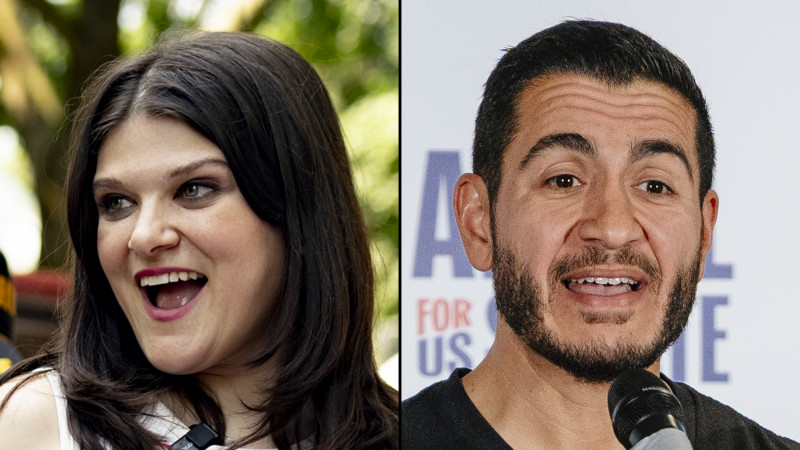
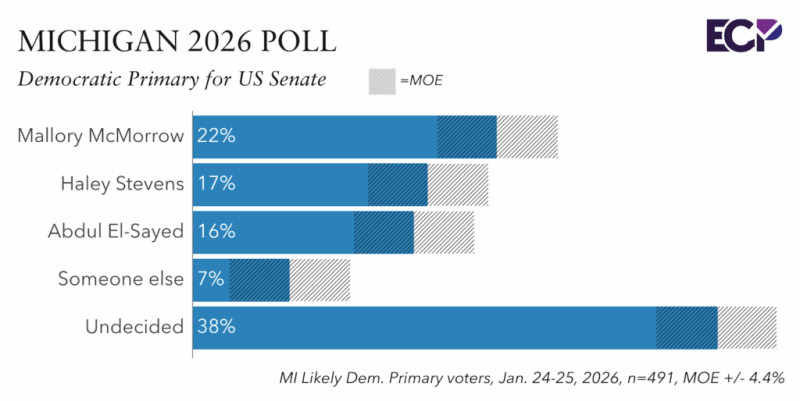
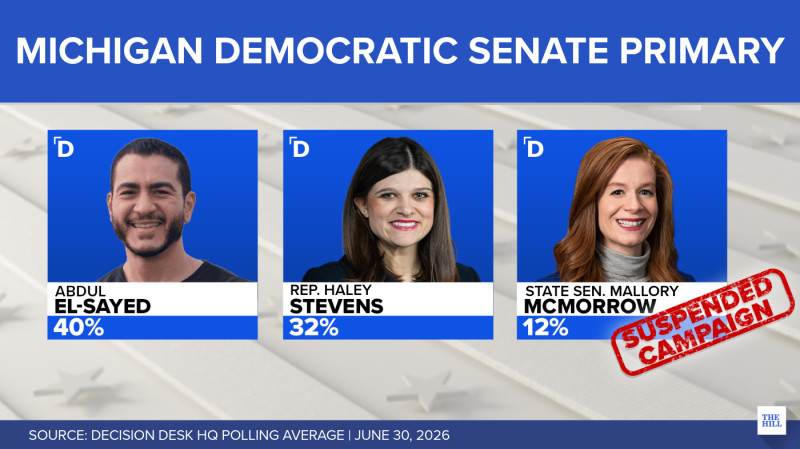
The stage is set for a showdown in Michigan's Democratic Senate primary, where the ideological divide between Abdul El-Sayed and Haley Stevens promises to be a lightning rod for national attention. As the August 4 Democratic primary approaches, the contest between the two candidates is heating up, with both vying for the chance to fill the seat left vacant by Senator Gary Peters.
Campaign Finance and Political Stances: A Chasm of Differences
The rivalry between El-Sayed and Stevens has largely centered around their differing views on campaign finance and political strategy. Stevens, a moderate backed by party leaders, has positioned herself as a pragmatic legislator with a strong track record of getting things done in Washington. She emphasizes her experience as a "workhorse" on Capitol Hill and highlights her ability to build bipartisan coalitions to enact meaningful legislation, especially on issues of critical importance to Michigan, such as economic development and infrastructure.
On the other hand, Abdul El-Sayed, an outspoken left-wing candidate, represents a stark contrast to Stevens' approach. He portrays himself as a threat to "politics as usual," advocating for a more progressive agenda that includes universal healthcare, aggressive climate action, and a more equitable economic system. El-Sayed's campaign emphasizes the need for a fundamental shift in Washington politics, challenging the established norms and pushing for a more inclusive and representative political landscape.
During the recent debates, the candidates' contrasting views on campaign finance and the source of their opponent's funding have been a focal point. Stevens has been criticized for receiving support from corporate and pro-Israel PACs, while El-Sayed has been vocal about his refusal to accept such funding, positioning himself as a candidate who is free from corporate influence. This debate has brought attention to the broader issue of how campaign finance affects policy and representation in the Senate.
Middle East Policy and Immigration: The Fault Lines of Foreign Policy
The debate over Middle East policy has also been a contentious issue between the two candidates. Stevens, known for her pro-Israel stance, has faced criticism from El-Sayed for her support of Israel's policies, particularly concerning human rights and the Palestinian conflict. El-Sayed, who advocates for a more balanced approach, has called for a re-evaluation of U.S. policy in the region, emphasizing the need for a just and equitable solution to the Israeli-Palestinian conflict.
Immigration enforcement has also been a significant point of contention between the two candidates. Stevens has taken a more moderate stance, advocating for comprehensive immigration reform that balances border security with humane treatment of immigrants. In contrast, El-Sayed has pushed for a more progressive approach, emphasizing the need for immediate and comprehensive reforms that prioritize the rights and dignity of all immigrants, regardless of their status.
Public Health and Economic Development: The Local Focus
The candidates have also clashed over their approaches to public health and economic development in Michigan. El-Sayed, with his background as a former public health official, has emphasized the importance of investing in public health infrastructure and addressing systemic health disparities, particularly in underserved communities. He has called for a more robust response to the public health crisis, including universal healthcare and access to affordable healthcare services for all Michiganders.
Stevens, on the other hand, has focused on her experience in Congress, highlighting her work on economic development initiatives and infrastructure projects that have benefited Michigan. She has emphasized the importance of creating jobs and fostering economic growth, particularly in industries that are critical to the state's economy, such as manufacturing and technology.
“This election is about more than just who will represent Michigan in the Senate,” El-Sayed said. “It’s about the future of our democracy and the values we stand for. We need a senator who will fight for progressive policies that put people first, not corporate interests.”
“As a member of Congress, I've proven that I can deliver results for Michigan,” Stevens responded. “I'll continue to work with both sides of the aisle to address the challenges we face, from economic development to healthcare. My track record speaks for itself.”
And so, as Michigan Democrats prepare to cast their ballots, the contest between Abdul El-Sayed and Haley Stevens stands as a proxy for the broader ideological divisions within the party. One thing is clear: the outcome of this primary will shape the future of Democratic politics in Michigan and the nation's senate race.
How does this story make you feel?
 Up next · PoliticsKentucky's Political Spotlight: Andy Beshear's Letter to Mitch McConnell