Kentucky's Political Spotlight: Andy Beshear's Letter to Mitch McConnell

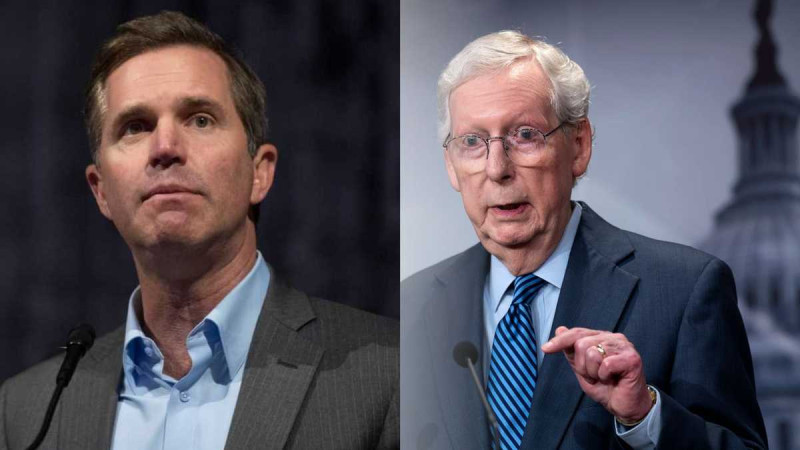
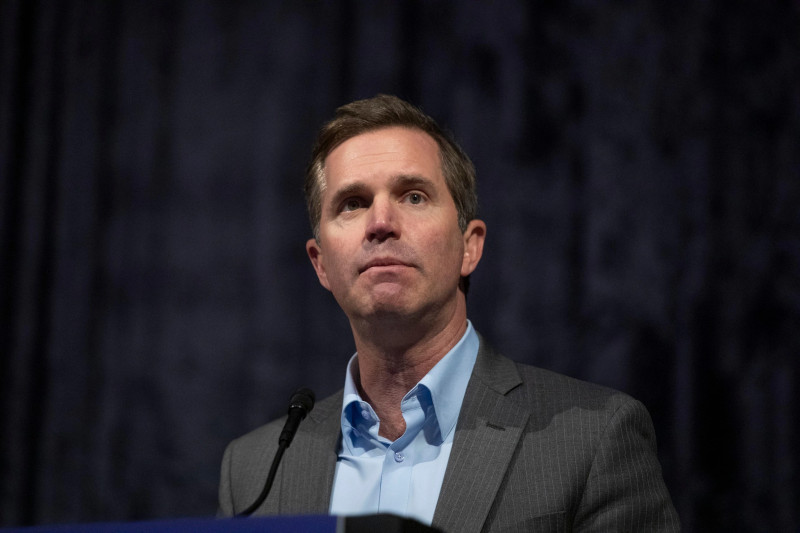
When the political spotlight turns on Kentucky, it's often a tale of contrasts: the Democratic governor, Andy Beshear, reaching out to the state's Republican senior senator, Mitch McConnell, in a letter that's as much a call for transparency as it is a reflection of the state's political dynamics. In a letter sent on July 28th, 2026, Beshear's words are a call for openness about McConnell's health after weeks of hospitalization and a palpable concern among Kentuckians.
A Call for Transparency in Kentucky’s Political Landscape
A public office is a trust, and Beshear's letter to Mitch McConnell is as much an appeal to the senator's sense of duty to his constituents as it is to his own political instincts. Beshear’s letter comes after several weeks of speculation about McConnell's health, as the senator has remained hospitalized with few details shared by his team. This lack of transparency has fueled a wave of concern, turning the spotlight on the senator’s health and his ability to serve his constituents effectively. Beshear’s move underscores the delicate balance between political duty and personal privacy, especially in an era where public scrutiny is at an all-time high.
The Tenor of Beshear’s Letter: A Reflection of Public Sentiment
The letter’s content is a reflection of the growing unease felt by Kentuckians, who are seeking answers on the state of their senator’s health. Beshear’s call for transparency is not just a political maneuver but a response to the increasing calls from his constituents. Over the last few weeks, the governor's office has received a flood of inquiries about McConnell’s health, reflecting a broader concern among the public about the senator's well-being and his capacity to continue serving.
Beshear’s letter to McConnell notes, "Over the last several weeks, Kentuckians have grown increasingly concerned about the health and well-being of Sen. McConnell. As Governor - and a fellow Kentuckian - I am deeply sympathetic to your personal situation. However, I must also emphasize the commitment you have to our great state and its people. Your constituents deserve to know the truth, so they can make informed decisions about their representation in the Senate."
The Balancing Act: Political vs. Personal
In a political arena where transparency and accountability are paramount, McConnell’s health situation has become a focal point for debate. Beshear’s demand is not just about the senator’s health but also about the trust that Kentuckians place in their elected officials. The letter serves as a reminder that public officials are accountable to their constituents, and their health, when affecting their ability to serve, is a matter of public interest.
McConnell, a towering figure in American politics, has been known for his strategic moves and unyielding stamina. His hospitalization, however, raises questions about the future of his political career and the impact on Kentucky’s political landscape. As the state continues to watch and wait, Beshear’s letter serves as a catalyst for a broader conversation about transparency and accountability in politics.
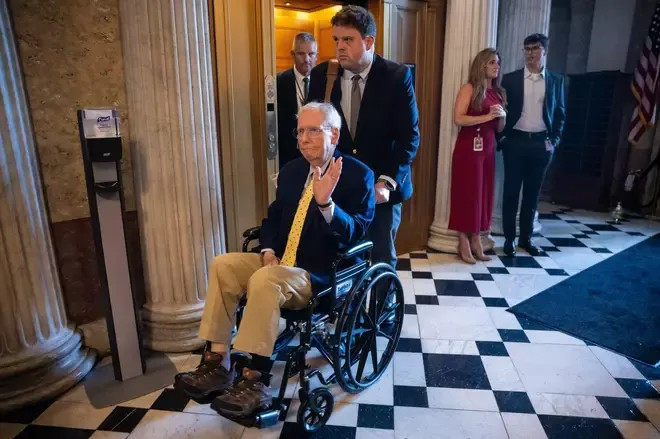
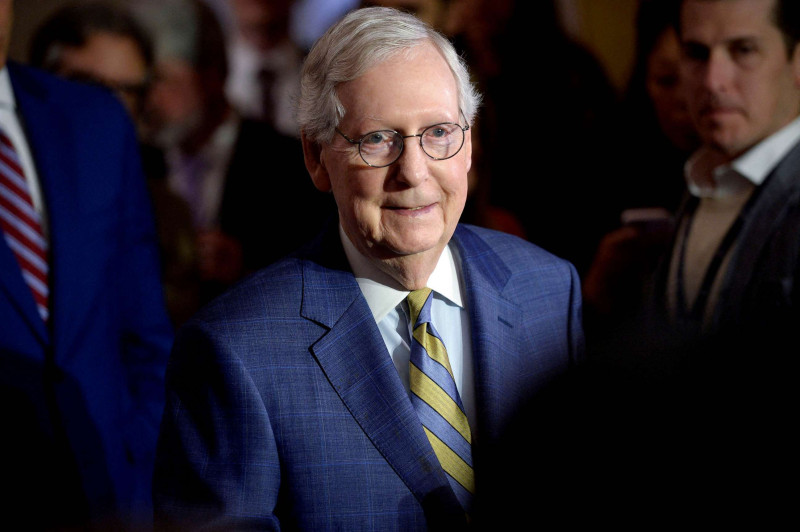
Photos of McConnell in recent months, juxtaposed with his public appearances, offer a stark contrast. McConnell, often seen as a robust figure, has been largely absent from public view, which has only intensified the speculation. The photos, however, are not just a record of his physical state but a reflection of the political climate in Kentucky. McConnell’s health, or lack thereof, has become a symbol of the uncertainty that hangs over the state’s political future.
Beshear’s letter and the public’s reaction to McConnell’s health underscore a deeper truth: in politics, the personal and the political are often intertwined. The governor’s call for transparency is not just a demand for information but a reflection of the public’s trust in their leaders. As Kentucky watches and waits, the spotlight remains firmly on McConnell, a symbol of the state’s political legacy and its future.
To end, consider this: In the annals of Kentucky’s political history, this moment is a reminder of a similar crossroads in 1987, when another governor, Wallace G. Wilkinson, faced a critical decision in his capacity to serve. The question then, as now, was not just about health but about the trust and accountability that bind a leader to their constituents. And so, as the sun sets on the Bluegrass State, the echoes of Beshear’s letter resonate, a silent call for transparency in an era of uncertainty, much like the echoes of the past.
How does this story make you feel?
 Up next · PoliticsJohn Fetterman's Changing Stance on the Senate Filibuster