John Fetterman's Changing Stance on the Senate Filibuster
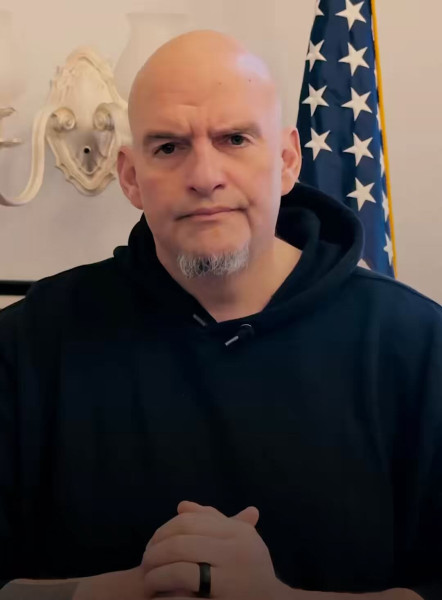
In the ever-shifting landscape of American politics, one figure who has consistently kept the public on its toes is John Fetterman. The Pennsylvania Senator has not only made headlines for his public persona but now also for his evolving views on the Senate filibuster, a procedural rule that has been a contentious issue among lawmakers for years. If you've been following the political scene, you might have heard about Fetterman's recent flip-flop on the filibuster, but let's dive deeper, shall we?
The Evolution of John Fetterman's Stance on the Filibuster
In 2022, while running for the U.S. Senate, Fetterman was a staunch critic of the Senate's 60-vote threshold, which is required to advance legislation. His position then was clear: he supported the elimination of the filibuster. This stance was a significant part of his campaign, and it resonated with many who saw the filibuster as an obstacle to progress. Fetterman argued that the 60-vote requirement stifled the passage of critical legislation, particularly on issues like voting rights and healthcare.
But here's the twist: just a few years later, Fetterman has had a change of heart. In a surprising turn of events, the Senator now supports keeping the filibuster, stating that his previous stance was "wrong." This shift came as a shock to many, especially those who had supported him on this very issue. So, what led to this dramatic change? Several factors appear to be at play. Fetterman has expressed concerns that eliminating the filibuster could lead to "fundamentally" changing the entire government and country with a simple majority vote. He believes the filibuster acts as a safeguard against extremism, ensuring that any legislation passed has broader support and is not merely the result of partisan politics.
During this period, let's not forget the broader political context. The midterms are looming, and Democrats are hoping to regain control of Congress. Fetterman's position on the filibuster could be seen as a strategic move to align with his party's interests, especially given the increasing polarization in Washington. It’s a reminder that in politics, positions can shift as quickly as the tides, and what was once a rallying cry can become a point of contention in an instant.
Why the Flip-Flop Matters
Let's unpack why this flip-flop matters. First, it highlights the complexity of the filibuster issue. For those who have been following, it isn't just about whether the 60-vote threshold should exist; it's about the broader implications for governance and the balance of power. Fetterman’s change of heart suggests a nuanced understanding of the filibuster's role in ensuring bipartisan consensus. It’s a lesson in how political stances can evolve with new perspectives and experiences.
Second, it shows the political dynamics at play. With the midterms approaching, Democrats are strategizing to gain an edge. Fetterman’s shift could be seen as an attempt to consolidate support within his own party, especially as some Democrats have been pushing for the filibuster's elimination. His stance now aligns more closely with moderate Democrats like Joe Manchin and Kyrsten Sinema, who have historically supported the filibuster as a safeguard against quick, unchecked legislative changes.
Third, it’s a reminder of the power of individual voices in shaping political discourse. Fetterman’s position, whether it was to eliminate the filibuster or keep it, has influenced the broader conversation about the Senate's procedural rules. His flip-flop underscores the importance of continuing to engage with these issues, even as positions shift.
As for the Republicans, they might be quietly trying to win Fetterman over. Inside sources reveal that the GOP has been strategizing to flip Fetterman, seeing his isolation within the Democratic Party as an opportunity to sway his allegiance. This internal party tension could play out in various ways, making Fetterman a pivotal figure in the upcoming political battles.
The Broader Implications for American Politics
Fetterman’s reversal on the filibuster raises broader questions about the future of American politics. It underscores the importance of bipartisanship and compromise in a polarized political climate. The filibuster, for all its criticisms, serves as a check on quick, one-party rule, ensuring that any significant legislation has broader support. As Fetterman articulated, the 60-vote threshold "forces compromise," a necessity in a deeply divided nation.
Moreover, it highlights the fluid nature of political stances. In a world where policies and positions can shift with the wind, it’s crucial to stay informed and engaged. Whether you support the filibuster or not, understanding the nuances of such debates is essential for a well-functioning democracy.
And then — get this — Republicans have been quietly working to flip Fetterman. The GOP sees his isolation within the Democratic Party as a strategic opening. As the midterms approach, these internal dynamics could significantly influence the political landscape. It’s a fascinating dance of power and influence, one that keeps us on the edge of our seats.
“The filibuster is a vital guardrail that shields the nation from extremism. It ensures that legislation has broader support and isn’t merely the result of partisan politics.” - Senator John Fetterman
How does this story make you feel?
 Up next · PoliticsUS and France Clash at United Nations Security Council