Trump's Escalating Tensions with Iran: Compensation Demand Raises Stakes
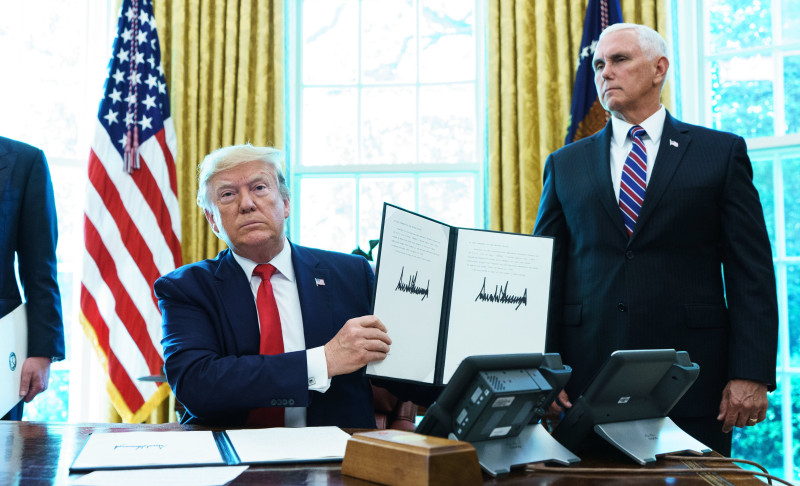
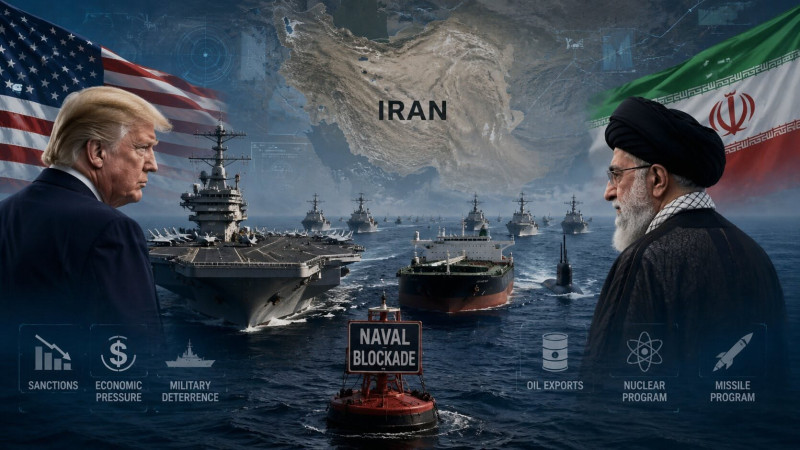
President Donald Trump has escalated tensions with Iran by demanding compensation from the regime, adding a new layer of complexity to the already volatile situation in the Middle East. This demand, made in recent times, comes as the United States and Iran are locked in a standoff with potentially global implications. The latest developments highlight the escalating conflict, with Tehran and Washington at odds over both the reopening of the Strait of Hormuz and Iran's nuclear program. The situation is further complicated by recent military actions and retaliatory threats, keeping the world on edge. Here's the latest on these escalating tensions.
Trump's Compensation Demand: A New Twist in the Iran Crisis
In a surprising move, Trump has demanded that Iran pay compensation for past misdeeds. This demand comes as Tehran has laid out new conditions to reopen the Strait of Hormuz, a critical shipping lane for global oil supply. Trump's demand for compensation could further escalate tensions, as Iran has shown little willingness to back down from its current stance. The U.S. president's tough talk on Iran has been a consistent theme, with Trump signaling that he will apply economic pressure and potentially military force to achieve his goals. This latest development suggests that the U.S. may be preparing for a prolonged conflict with Iran, with no immediate resolution in sight. The demand for compensation adds a layer of financial and diplomatic complexity to the crisis, as Iran's financial situation remains strained by international sanctions and a struggling economy.
Military Escalations: Iran and U.S. Engage in a Deadly Dance
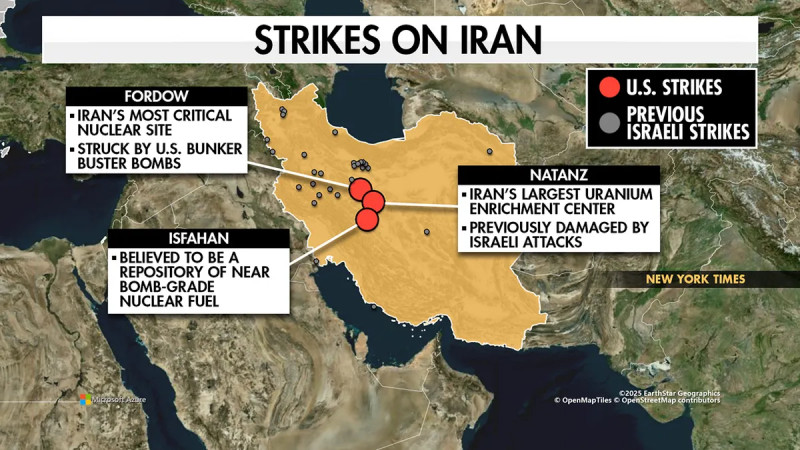
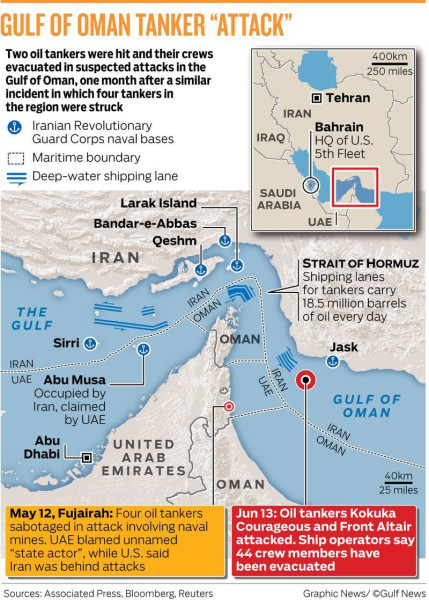
The military confrontations between Iran and the U.S. have been intensifying, with both sides launching retaliatory strikes. Trump has vowed to strike Iran hard in response to what he described as a ballistic missile strike by Iran against U.S. forces in Jordan. In response to this, the U.S. has launched a series of military strikes against Iran, targeting military, government, and infrastructure sites. These strikes are part of a broader U.S. strategy to cripple Iran's military capabilities and pressure the regime into negotiations. However, the effectiveness of these strikes remains uncertain, as Iran has so far shown resilience and continued its military operations. The most recent of these operations involved the launch of anti-ship cruise missiles from Sirik, with reports of an oil tanker off Oman being struck as tensions in the Strait of Hormuz rise. The U.S. has also increased its military presence in the region, with additional forces deployed to the Persian Gulf to deter further Iranian aggression.
The Diplomatic Dilemma: Can Negotiations Bring Peace?
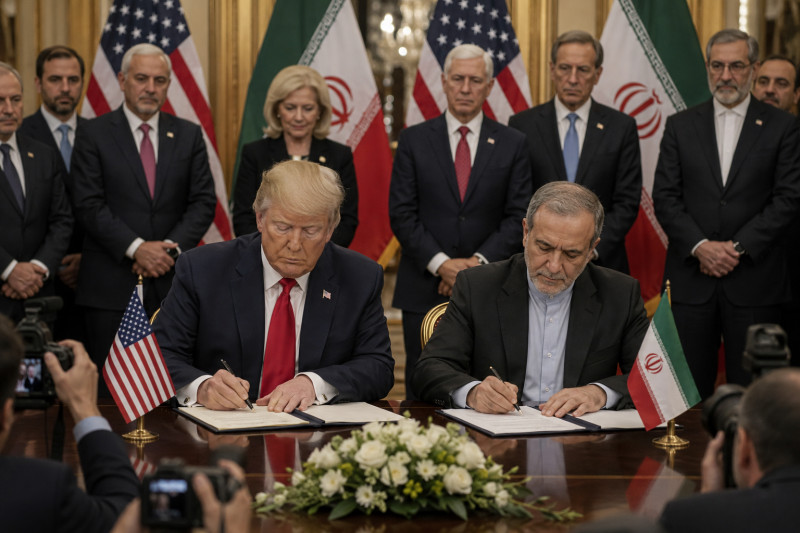
Amid the escalating tensions, there have been efforts to bring the two nations to the negotiating table. Delegations from the U.S. and Iran entered negotiations in June, aimed at a war-ending deal based on a memorandum of understanding signed by both countries. However, the demand for compensation could complicate these negotiations, as Iran is unlikely to agree to such terms without significant concessions from the U.S. The current stalemate has left many wondering if a diplomatic solution is even possible. The U.S. has called for regime change in Iran, a position that Iran sees as a blatant attempt to interfere in its internal affairs. The demand for compensation only adds to the list of grievances that Iran has against the U.S., making it even more difficult to find common ground. Despite these challenges, both sides must find a way to de-escalate the situation and return to the negotiating table to prevent further military confrontations. This could involve a series of confidence-building measures, such as a mutual ceasefire and the exchange of prisoners, as well as a commitment to a phased withdrawal of military forces from the region. However, as things stand, the path to peace remains uncertain, with both sides dug in their positions and unwilling to back down.
Donald Trump made his stance clear on Iran, stating, "The agreement would include reopening the Strait of Hormuz and address Iran's nuclear program".
How does this story make you feel?
 Up next · WorldThe Latest News on US Fires on Ship: Tensions Rise in the Gulf of Oman