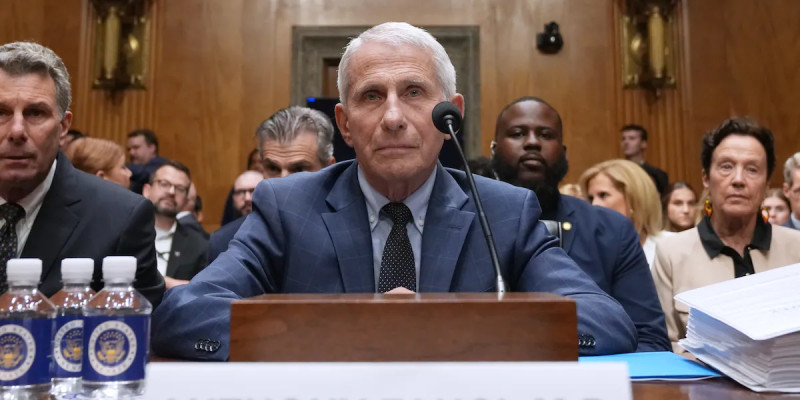
Dr. Fauci Invokes Fifth Amendment in Contentious Senate Hearing
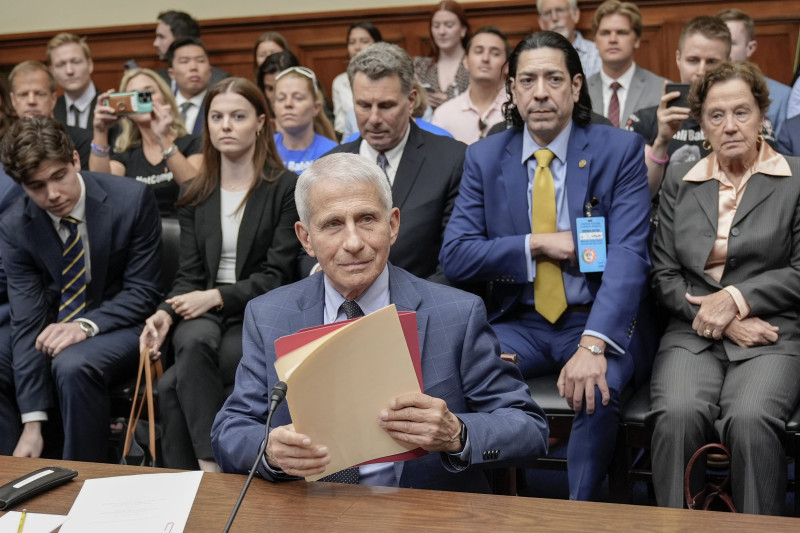
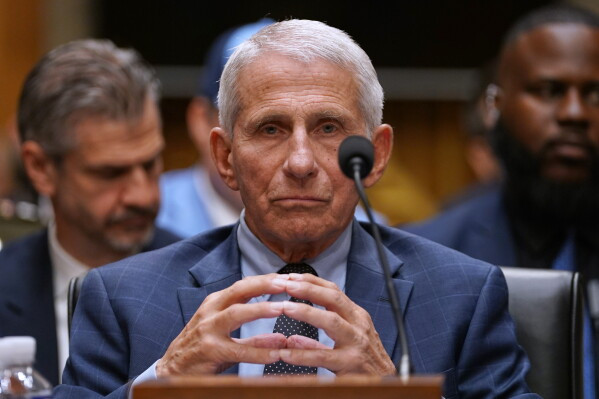
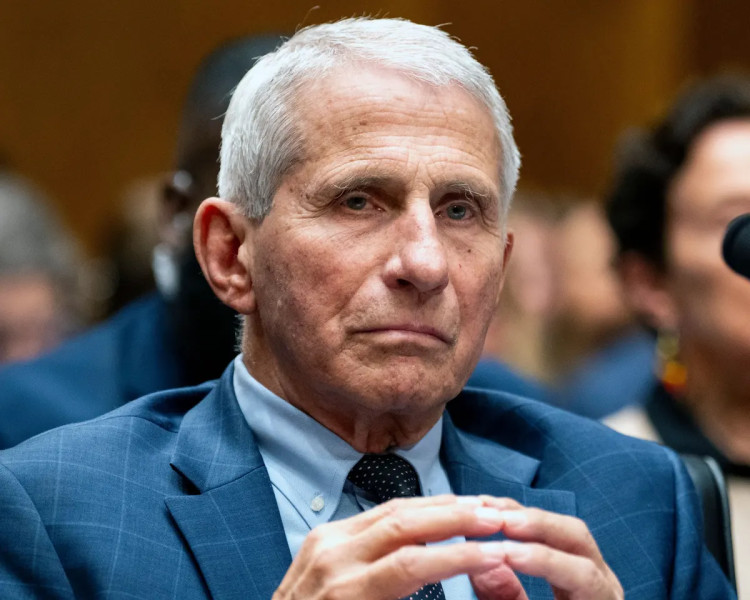
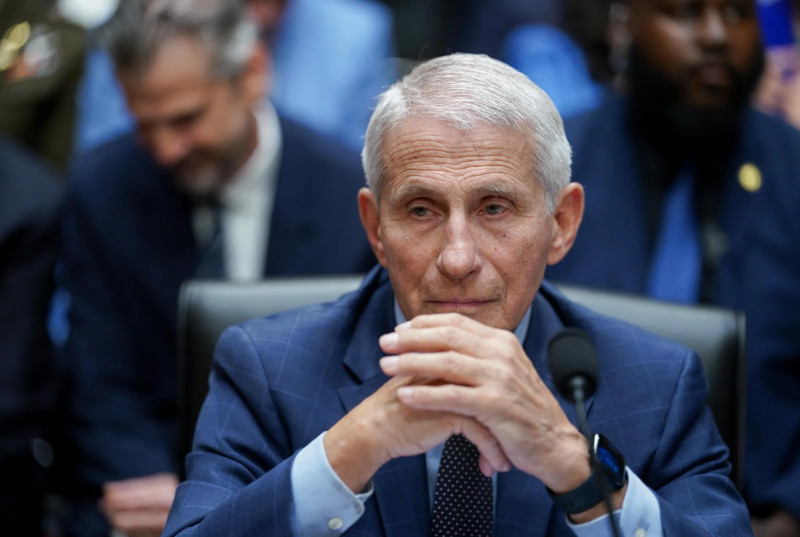
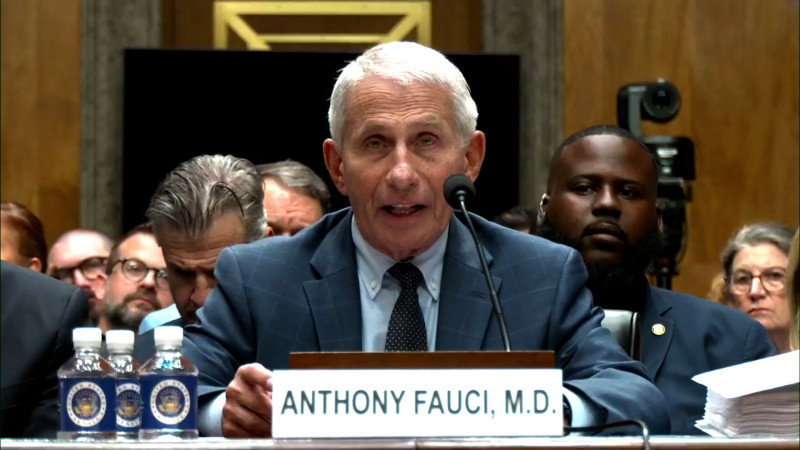
In the charged atmosphere of a Senate hearing on July 29, 2026, Dr. Anthony Fauci, the former chief medical advisor to the President, invoked the Fifth Amendment a staggering 111 times, sparking fiery exchanges and raising eyebrows across the political spectrum. The hearing, led by Republican Senator Rand Paul, was charged with questions related to gain-of-function research and Fauci’s handling of the COVID-19 pandemic.
Fauci’s Fifth Amendment Strategy and Paul’s Pushback
The spectacle began with Fauci refusing to answer over 100 questions, each time invoking his Fifth Amendment right against self-incrimination. This tactic, while legally sound, set the stage for a tense back-and-forth. Senator Paul, known for his relentless questioning, did not hold back. He accused Fauci of having an "unhinged obsession" with him, a sentiment echoed by Fauci himself, who later criticized the Republican committee chair's "repeated slanderous comments".
Throughout the hearing, the committee's atmosphere was fraught with tension. Fauci's repeated invocations of the Fifth Amendment were met with fierce scrutiny from Paul, who questioned the validity of Fauci's claims, given his pre-emptive pardon by President Joe Biden. Paul's determination to hold Fauci in contempt of Congress added fuel to the fire, as he aimed to get a court to assess whether Fauci could legally invoke the Fifth Amendment under these circumstances.
Senator Bernardo Moreno's Blistering Critique
Senator Bernie Moreno from Ohio, was the most vocal among those who attacked Fauci. He accused Fauci of harming various groups during the pandemic, including children, the elderly, and small businesses, due to the lockdowns and mandates. Moreno repeatedly asked Fauci to apologize, but Fauci remained steadfast in his refusal to answer, citing the Fifth Amendment.
Fauci's refusal to answer questions extended to a wide array of topics, including potential conflicts of interest and the origins of the COVID-19 virus. This strategy left many in the room seething, particularly Moreno, who saw it as a blatant disregard for accountability. Moreno's fiery rhetoric highlighted the deep-seated distrust many have in Fauci's handling of the pandemic, a sentiment that reverberated through the chamber.
The Sixth Amendment and the Enduring Impact
In a surprising twist, Senator Josh Hawley from Missouri leaped into the fray, questioning whether Fauci’s repeated invocation of the Fifth Amendment could be seen as an admission of guilt. Hawley argued that Fauci’s strategy was a deliberate attempt to evade accountability, a tactic that could set a dangerous precedent for future public officials under scrutiny.
By the end of the hearing, it was clear that the battle lines were drawn. The Republican-led committee voted to hold Fauci in contempt of Congress, a move that would send a strong message about the limits of executive privilege and the need for transparency in public health crises.
The hearing was a stark reminder of the ongoing debate over the role of public health officials in times of crisis. As the Fifth Amendment continues to be a contentious point, the public's trust in Fauci and the broader medical community remains a critical issue. Whether this hearing will lead to a broader reckoning on public health policy or simply add to the partisan divide remains uncertain. However, one thing is clear: the legacy of Dr. Fauci and his handling of the COVID-19 pandemic will continue to be a flashpoint in the political and public health arenas for years to come.
“The public deserves answers, and Congress has a responsibility to hold public officials accountable, no matter how uncomfortable the truth may be. — Harvey Levin, political analyst, commenting on the hearing.
How does this story make you feel?
 Up next · PoliticsFauci Invokes the Fifth: A Senate Showdown Unfolds