New Jersey's Voter Privacy: Court Rejects DOJ's Bid for Unredacted Rolls
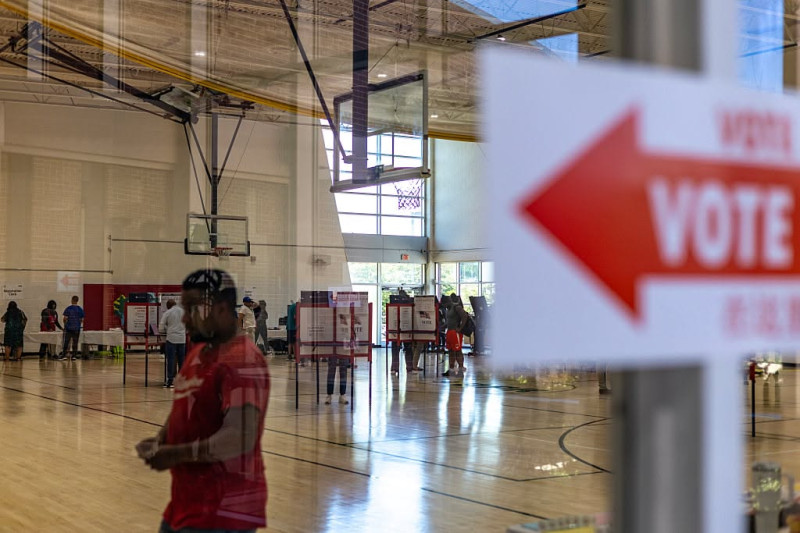
In the fluorescent glare of the briefing room, the hum of phones buzzing in pockets barely masked the tension as reporters awaited the verdict in a high-stakes legal battle between the Department of Justice (DOJ) and the state of New Jersey. The DOJ's attempt to access New Jersey's unredacted voter rolls had reached a pivotal moment, and the nation held its breath. Judge Zahid Quraishi's decision, handed down on a Wednesday afternoon, sent shockwaves through the political and legal landscapes, marking a significant victory for voter privacy advocates and the Sherrill administration.
The Legal Showdown: DOJ vs. New Jersey's Voter Privacy
The DOJ NJ voter rolls lawsuit began in earnest last July, when the Trump administration, through the DOJ, sought to secure election integrity by requesting unredacted voter registration lists. The administration argued that Title III of the Civil Rights Act of 1960, which requires election officials to preserve federal election records for 22 months and make them available to the attorney general, authorized this demand. However, New Jersey officials, backed by voting rights advocates, contested this interpretation, asserting that the law did not compel states to surrender confidential voter data to the federal government.
In February, the DOJ sued New Jersey, escalating the dispute and setting the stage for a federal court showdown. Judge Quraishi, an appointee of former President Barack Obama, was assigned the case. The judge's decision, issued without oral arguments, underscored the depth of the legal and political divide over voter data access. The courtroom drama reached a climax as Quraishi ruled that federal law does not mandate New Jersey to provide the DOJ with its complete, unredacted voter list, effectively dismissing the lawsuit with prejudice. This means the lawsuit cannot be refiled, dealing a significant blow to the DOJ's efforts to gain access to sensitive voter information.
Quraishi's New Jersey voter privacy ruling aligns with a broader trend in federal court decisions, where similar lawsuits brought by the DOJ against other states have been rejected. At least 16 other federal district courts and one federal appeals court have dismissed comparable cases, asserting that the DOJ's interpretation of the Civil Rights Act is flawed and that states retain the right to protect voter privacy.
Judge Quraishi's Decision: Implications and Reactions
Judge Quraishi's ruling in the DOJ NJ voter rolls lawsuit was not just a legal victory but a political one as well. The case has been closely watched by both parties, with the Trump administration seeing it as a means to bolster election integrity, while critics argued it was an attempt to suppress voter turnout, particularly among minority groups. — Like previous rulings in this matter, the decision highlights the delicate balance between federal oversight and state autonomy in managing elections.
The legal community quickly weighed in, noting the far-reaching implications of Quraishi's decision. "This ruling underscores the importance of state sovereignty in protecting voter privacy," said a prominent legal scholar — "The DOJ's attempt to compel the release of unredacted voter rolls was a dangerous overreach, and the courts have rightly pushed back against it. This decision sets a crucial precedent for future challenges to voter privacy." — Quraishi's decision, by blocking the DOJ from accessing New Jersey's unredacted voter registration list, is seen as a significant step in safeguarding voter privacy, a concept that has gained increasing importance in an era of heightened political polarization and data breaches.
The Road Ahead: Voter Privacy and Election Integrity
The DOJ NJ voter rolls lawsuit may be over, but the broader debate over voter privacy and election integrity is far from settled. — As the 2026 election cycle approaches, the battle lines are being drawn once again, with both sides gearing up for future legal showdowns. — In the meantime, states and local election officials continue to grapple with the challenges of securing voter data while maintaining public trust in the electoral process.
The case serves as a reminder of the ongoing struggle to balance transparency and privacy in elections. As the 2026-07-30T20:30:05Z deadline for the next election looms, the question of how to ensure election integrity without compromising voter privacy will continue to be a contentious issue. The DOJ's defeat in New Jersey is a notable setback, but it is unlikely to deter future attempts to access unredacted voter rolls. The fight for voter privacy and election integrity rages on, with both sides prepared for the battles ahead. The outcome of future legal challenges will shape the landscape of American elections for years to come, with the stakes higher than ever before.
How does this story make you feel?
 Up next · PoliticsMandela Barnes Sets Sights on Wisconsin Governor Race