Flock Safety Introduces Drastic Privacy Overhauls Amid Public Backlash

Flock Safety has announced sweeping changes to its surveillance platform in response to mounting public scrutiny and privacy concerns. The company’s move comes as it faces backlash over the misuse of its license plate cameras by law enforcement agencies across the United States. Flock's changes include reducing data retention and implementing stricter misuse detection protocols. The company is cutting the default data retention period from 30 days to just seven days, and requiring law enforcement to document the reason for every search.
Key Changes in Flock's Privacy Policy
Flock's overhaul includes a significant reduction in the data retention period for license plate information. The company is cutting the default retention period from 30 days to seven days. This change aims to limit the amount of data available for potential misuse and to address privacy concerns raised by civil liberties advocates and the public. Additionally, Flock is making misuse detection mandatory for all customers, ensuring that any unauthorized access or misuse of the data is promptly identified and addressed.
Flock is also introducing new measures to enhance transparency and accountability. The company is inviting other industry players to adopt similar standards, hoping to set a new benchmark for data privacy and security in the surveillance technology sector. This move is part of a broader effort to restore public trust and demonstrate Flock's commitment to protecting individual privacy.
Public and Legal Scrutiny Drives Flock’s Response
Flock's decision to overhaul its privacy policies comes in the wake of high-profile cases where law enforcement agencies have allegedly misused the company's surveillance cameras. The public backlash and media reports have scrutinized how Flock's cameras are being used to track vehicle locations, raising serious concerns about privacy and civil liberties.
Despite these changes, civil liberties advocates have expressed skepticism, arguing that Flock's new measures are merely public relations moves and do not adequately address the underlying issues. Critics point out that many of the proposed changes are retreads of previous inadequate safety measures and do not go far enough to protect individual privacy.
"The recent changes by Flock are a step in the right direction, but they are not enough to fully address the privacy concerns," said a spokesperson for a civil liberties organization. "We need more stringent regulations and oversight to ensure that surveillance technology is used responsibly and ethically."
Industry and Legal Landscape
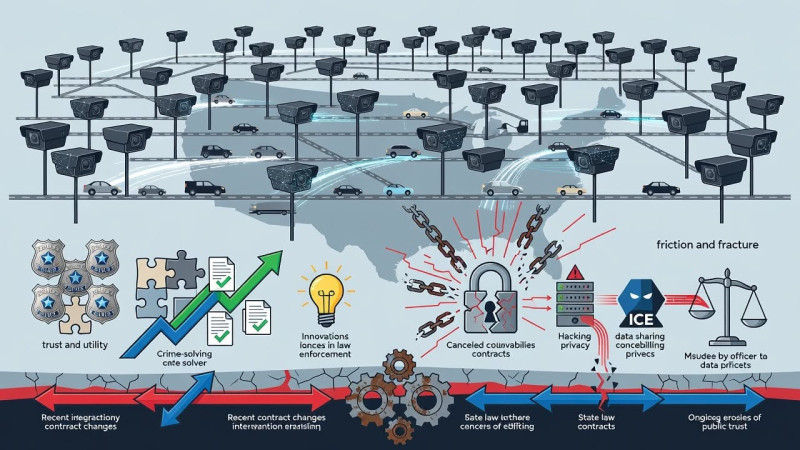
Flock Safety operates a vast nationwide network of surveillance cameras and automated license plate readers. The company has faced increased scrutiny from lawmakers, civil liberties advocates, and the public, prompting the need for these recent changes. The company's actions are part of a broader effort to quell privacy concerns and address documented abuses of its system by some members of law enforcement.
Flock’s announcement comes in the context of a wider debate about the use of surveillance technology in the United States. Lawmakers from both parties have called for greater transparency and accountability in how such technology is deployed, particularly in light of recent scandals and privacy breaches.
The company’s new privacy reforms are a significant step forward in addressing these concerns. By cutting data retention to seven days, Flock aims to limit the amount of data available for potential misuse and to ensure that any unauthorized access is promptly detected and addressed.
However, the recent changes also raise questions about the long-term impact of surveillance technology on individual privacy. As Flock and other companies continue to develop and deploy new surveillance tools, it is crucial to ensure that these technologies are used responsibly and ethically. The company's invitation to other industry players to adopt similar standards is a positive step toward setting a new benchmark for data privacy and security.
But it is unclear if this will be enough to convince privacy advocates. Flock has long been criticized for treating legitimate privacy concerns as mere public relations problems. The company's recent changes, while significant, may not be enough to fully address the underlying issues and restore public trust in surveillance technology.
As the debate over surveillance technology continues, it is clear that Flock's recent changes are just the beginning of a much larger conversation about privacy and civil liberties in the digital age.
How does this story make you feel?
 Up next · TechSteam Catapults on Aircraft Carriers: A Sea Change in Naval Technology?