Trump's Helicopter Escapades Raise Safety Concerns
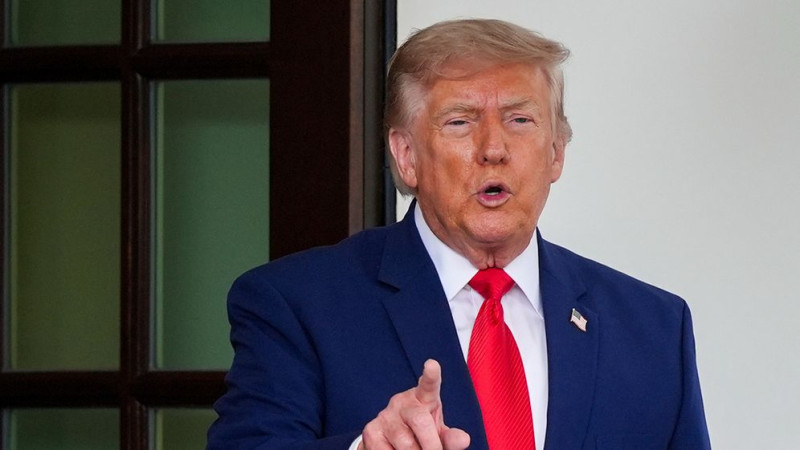
In the ever-changing landscape of Washington, D.C., air traffic management is a delicate dance. Yet, President Trump's helicopter flights have, once again, thrown air traffic control into the spotlight with an incident that has the FAA scratching its head. It's not the first time Trump's helicopter has made headlines, and it won’t be the last.
Marine One’s Brush with Commercial Air Traffic
Last Tuesday, Marine One, the official helicopter used by the President, came alarmingly close to a commercial flight, raising concerns about airspace management in the congested D.C. area. The air traffic control audio revealed the pilots of Marine One had communicated their intentions to take off at least three times, yet the controllers let a passenger flight take off too close to the presidential aircraft.
At the heart of the problem is the air traffic control system, which seemed to falter under pressure. With both the commercial pilot and the Marine One pilot in contact during this 'loss of separation,' it's clear the system needs a serious overhaul.
Let's not kid ourselves, Trump's helicopter has been in similar tight spots before. The White House insists Trump was never in danger, but the data is damning. If the most advanced air traffic system in the world can't keep a passenger jet and a presidential helicopter safely apart, what hope is there for the rest of us?
The FAA’s Role in Ensuring Air Traffic Safety
The Federal Aviation Administration (FAA) is now investigating the incident, but here’s what nobody's asking: how many close calls are acceptable before we acknowledge a systemic problem. The incident highlights a critical need for improved air traffic control measures, especially in congested urban areas like D.C.
The FAA is under scrutiny, and rightly so. Their job is to ensure safety, not just for VIPs, but for every passenger. This incident shows they have their work cut out for them. The White House's dismissal of the incident as non-threatening only adds to the public’s growing skepticism about the security measures in place.
What Lies Ahead for Air Traffic Control in D.C.?
It’s easy to paint this as a one-off, but let's challenge that. The air traffic control system is under immense strain, and it's not just about Trump's helicopter. It’s about every flight, every passenger, and every controller.
The FAA investigation is just beginning. Here’s what nobody’s watching: the FAA’s proposal for new airspace management rules, which could radically change how we think about air traffic control in busy urban areas. This is an opportunity to overhaul a system that’s been failing us for too long.
The pressure is on to ensure an incident like this never happens again. With Trump’s helicopter in the air, the stakes are high, but so are the expectations for a safer, more reliable air traffic control system.
“This incident is a stark reminder of the vulnerabilities in our air traffic management system. It’s not just about the president; it’s about every passenger who deserves a safe flight.” - An unnamed FAA official.
How does this story make you feel?
 Up next · PoliticsMichigan Senate Primary 2026: El-Sayed Defeats Stevens as Republicans Brace for Mike Rogers