Primetime (2026) Starring Robert Pattinson: A Thrilling Journey Into Television History
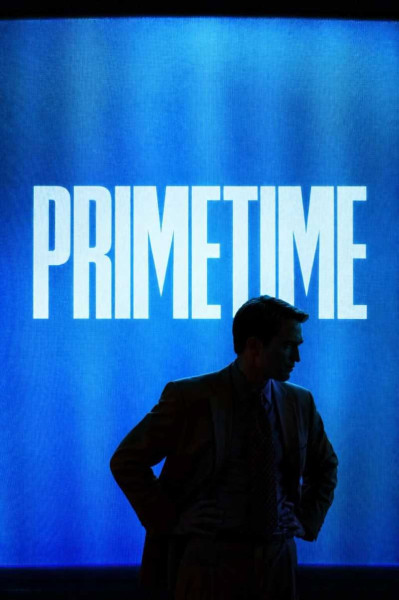
In the bustling heart of New York City, the air is thick with the anticipation of primetime television's next big thing. The city's streets hum with the energy of a place on the brink of a cultural shift. The release of Lance Oppenheim's Primetime movie, starring the enigmatic Robert Pattinson as the iconic Chris Hansen, has set the entertainment world abuzz. The narrative of Primetime unfolds against the backdrop of the 2006 television landscape, where Hansen's groundbreaking show, To Catch a Predator, had the nation glued to their screens.
The Origins of Primetime: The Rise of To Catch a Predator
The story begins in the early 2000s when Chris Hansen, played with meticulous detail by Robert Pattinson, sets out to revolutionize journalism. Hansen's concept for To Catch a Predator was daring and unprecedented. The show would feature Hansen confronting suspected child predators in a sting operation, often resulting in dramatic arrests. The program was a sensation, capturing the nation's attention with its raw intensity and unflinching portrayal of the darker side of the internet
“The audience is both horrified and captivated, unable to look away from the stark reality of these confrontations,” says Oppenheim, who has crafted a narrative that unearths the emotional and ethical complexities of the show. The film delves deep into the origins of this primetime phenomenon, exploring the motivations and struggles of the man behind the camera.
Robert Pattinson's Transformative Performance as Chris Hansen
The casting of Robert Pattinson as Chris Hansen has been a topic of much discussion. Known for his roles in the Twilight series and more recently in films like The Batman, Pattinson brings a nuanced depth to his portrayal. His performance captures Hansen's relentless pursuit of justice, balanced with a quiet vulnerability. As Oppenheim describes, “Pattinson brings a layer of humanity to Hansen, making him both a hero and a conflicted figure navigating a moral minefield.”
The film's attention to detail is evident in how it recreates the primetime television atmosphere of the mid-2000s. The set design and cinematography transport viewers back to an era when reality TV was at its peak. The movie's trailer, released by A24, hints at the film's gripping narrative, showcasing the tense confrontations and emotional turmoils that Hansen faced.
The Primetime Phenomenon: Impact and Legacy
The primetime phenomenon of To Catch a Predator was more than just a television show; it sparked national conversations about online safety and child exploitation. Hansen's work brought these issues to the forefront of public consciousness, making him a household name and a symbol of justice. The film captures this cultural impact, weaving in real-life testimonies and archival footage to add authenticity to the narrative.
“Primetime is a film that looks back at an era of television that was both controversial and groundbreaking. It's a testament to the power of storytelling and journalism in shaping societal norms.”
What to Expect from the Film
The film, slated for release on September 25, 2026, is expected to have a dramatic impact on audiences. It's a journey through the highs and lows of a man who dared to challenge the status quo and bring justice to the forefront of public attention. With its intense narrative and powerful performances, Primetime is poised to be one of the most talked-about films of the year. Its exploration of the moral and ethical dilemmas faced by Hansen and the team behind To Catch a Predator will leave viewers with much to ponder.
In addition to its compelling narrative, the film also stars Merritt Wever, Skyler Gisondo, and Phoebe Bridgers, adding layers of depth and complexity to the story. The anticipation for Primetime is palpable, as entertainment enthusiasts eagerly await the cinematic release. The film's exploration of the darker side of the internet and the ethical dilemmas faced by those who challenge it will resonate deeply with audiences. The release of this film is sure to be a pivotal moment in the cinematic landscape, leaving viewers on the edge of their seats.
How does this story make you feel?
 Up next · EntertainmentMy Life with the Walter Boys: The Anticipated Season 3 Release and its Impact