Appeals court blocks Trump administration’s White House ballroom plan
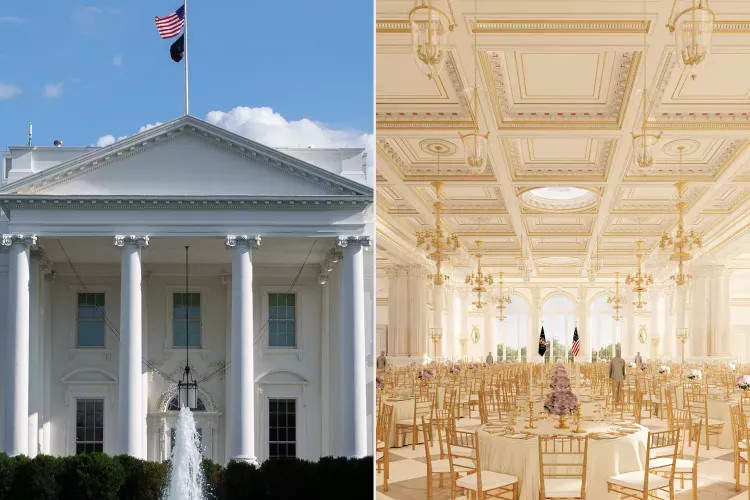
A federal appeals court ruled that the Trump administration cannot build a 90,000‑square‑foot ballroom at the White House without congressional approval, a decision that could lead to a Supreme Court showdown.
Key points
- The court said the administration lacks authority to construct the ballroom without congressional approval.
- The project would demolish parts of the historic East Wing and cost $400 million.
- The ruling highlights limits on presidential power over federal construction projects.
- The administration plans to appeal to the Supreme Court.
- The case may set precedent for future executive actions on historic buildings.
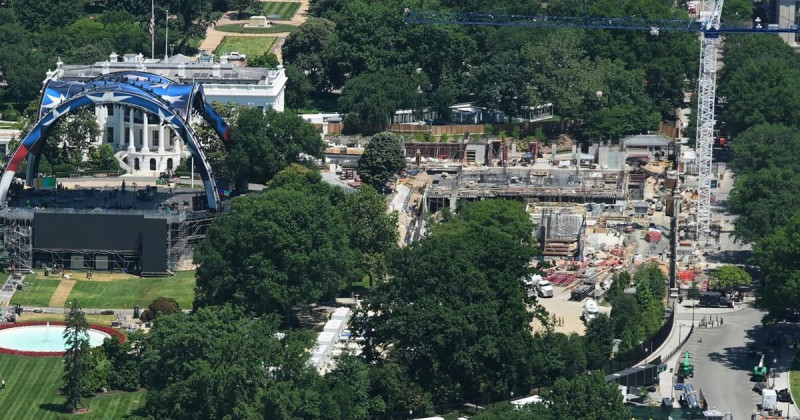
A legal battle has erupted in the corridors of power in Washington, DC. A federal appeals court delivered a seismic ruling on a controversial project that has become a flashpoint for political and legal debate. The court asserted that the Trump administration is unlawfully constructing a new White House ballroom without proper authorization. Here’s a deep dive into the apparent legal quagmire that has engulfed the Trump administration's ambitious renovation plans.
ballroom Debacle: The Legal Nuances of Presidential Authority
In a recent ruling, a federal appeals court determined that the Trump administration lacks the authority to unilaterally construct a 90,000-square-foot ballroom. The decision comes as a significant setback for the administration, which has been pushing to expand the White House's entertainment facilities by demolishing portions of the historic East Wing. The court's decision underscores the delicate balance of power between the executive branch and Congress, raising questions about the extent of presidential authority in matters of federal buildings and historical sites.
The ruling also brings into sharp focus the legal complexities surrounding presidential authority and the limits of executive power. The Trump administration’s plan to construct a $400 million ballroom has been met with fierce opposition from various quarters, including legal experts and historians who argue that such a project would irreparably alter the historic character of the White House.
The Ballroom Project: A Clash of Legal Interpretations
The White House ballroom project has become a contentious legal issue, with the Trump administration and the appeals court offering divergent interpretations of the law. The administration has argued that the project is within the president's executive authority, while the court has ruled that such a significant construction project requires congressional approval. The legal battle has highlighted the importance of congressional oversight in federal construction projects, particularly those involving historic and iconic buildings like the White House.
The appeals court's decision to halt the construction of the White House ballroom comes as a significant blow to the Trump administration. The ruling has paving the way for a potential showdown at the Supreme Court, with the administration hinting at an appeal to the highest court to overturn the appeals court's decision. The battle lines are drawn, and the legal community is abuzz with speculation about the potential implications of this case on future executive actions and judicial interpretations.
The Trump Administration and the Legal Battle Over Presidential Power
The Trump administration’s ballroom project has become a symbol of the broader legal and political tensions surrounding the extent of presidential authority. The administration's attempt to unilaterally demolish portions of the historic East Wing and construct a massive ballroom has sparked a fierce legal battle, with critics arguing that such a project would irreparably alter the historic character of the White House.
The ruling has significant implications for future executive actions and judicial interpretations. The legal community is closely watching the case, as it could set a precedent for the extent of presidential authority in matters of federal construction projects. The Trump administration has vowed to appeal the decision, setting the stage for a potential showdown at the Supreme Court. The outcome of this legal battle will have far-reaching consequences for the balance of power between the executive branch and Congress, as well as for future federal construction projects involving historic and iconic buildings.
“This ruling underscores the importance of congressional oversight in federal construction projects, particularly those involving historic and iconic buildings like the White House.” — Legal Expert
As the legal battle over the White House ballroom project continues, the Trump administration and the appeals court remain locked in a high-stakes showdown over the limits of presidential authority and the role of congressional oversight in federal construction projects. The outcome of this legal battle will have far-reaching consequences for the balance of power between the executive branch and Congress, as well as for future federal construction projects involving historic and iconic buildings.
Your questions, answered
Why is the White House ballroom project controversial?
The project would demolish historic parts of the East Wing and cost $400 million, raising concerns about altering the White House’s historic character.
What did the appeals court decide?
The court ruled that the Trump administration cannot unilaterally build the ballroom without congressional approval.
Quick poll
Should the Supreme Court hear the appeal on the White House ballroom project?
0 votes
How does this story make you feel?
Topics
 Up next · PoliticsA Judicial Hammer Strikes: Appeals Court Halts Trump's White House Ballroom Ambitions