A Judicial Hammer Strikes: Appeals Court Halts Trump's White House Ballroom Ambitions
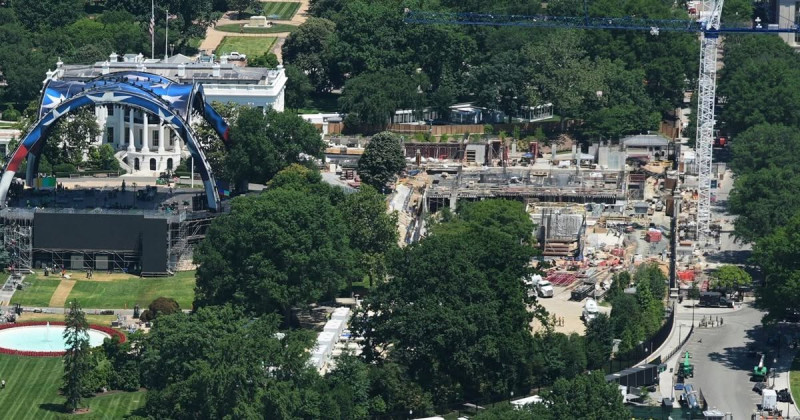
In a dramatic twist reminiscent of a political thriller, an appeals court has recently declared the construction of a lavish White House ballroom under the Trump administration as unlawful. The decision, which has sent shockwaves through the political landscape, underscores the ongoing battle over Presidential powers and congressional oversight in a deeply divided era.
Judicial Intervention and Congressional Approval
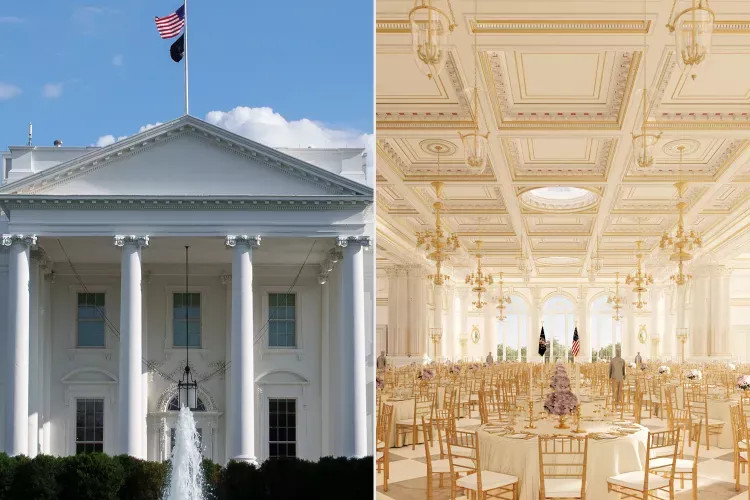
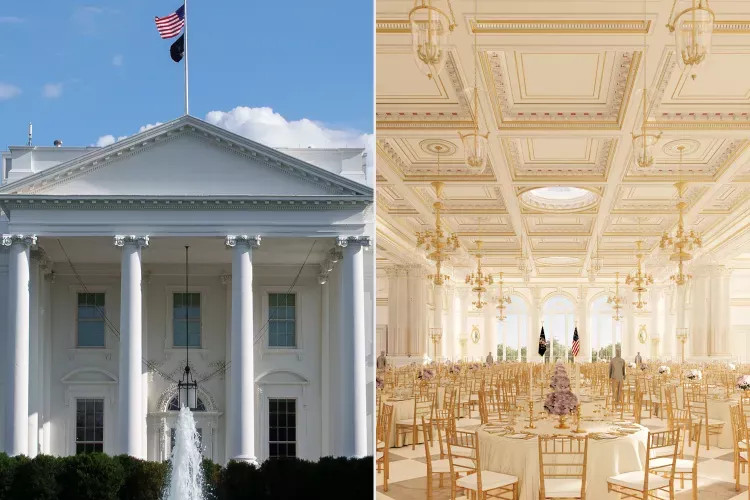
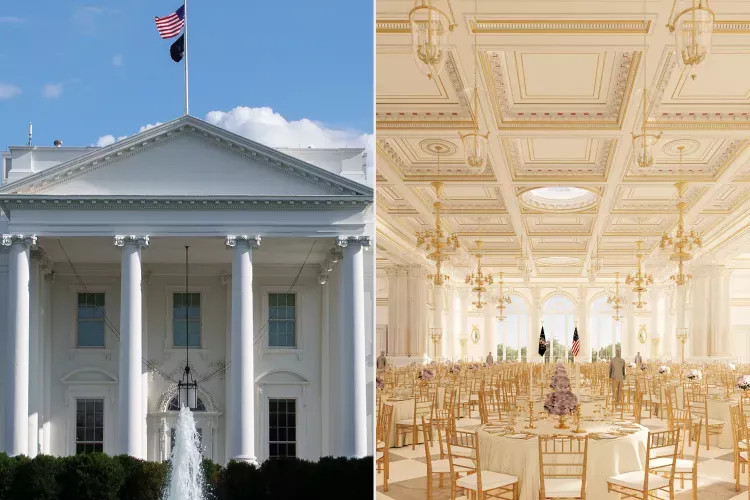
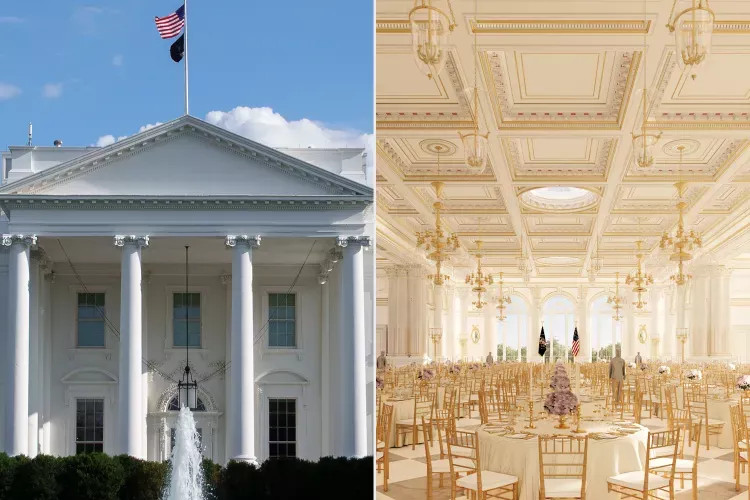
The contested White House ballroom, valued at a staggering $400 million, has been a contentious issue for the Trump administration. Recently, a federal appeals court issued a ruling to halt the construction, citing the lack of congressional approval. This decision is a significant blow to President Trump, who has been pushing forward with the project despite earlier legal challenges.
At the heart of this legal tussle lies a fundamental question: Does the President have the authority to undertake such a massive construction project without congressional consent? The appeals court's ruling affirmed a lower court's decision, maintaining that congressional approval is necessary for such endeavors. This ruling, which has been temporarily stayed to allow potential relief from the Supreme Court, underscores the complex legal landscape surrounding presidential powers and administrative actions.
The National Trust for Historic Preservation Weighs In
The National Trust for Historic Preservation has been a vocal opponent of the ballroom project, arguing for the preservation of the White House's historic integrity. The Trust argues that the proposed construction would alter the architectural landscape of the White House in ways that could be irreversible. This legal challenge, which has gained traction in recent times, has drawn attention to the delicate balance between modernization and preservation in historical sites.
“The White House is a national treasure and its historic integrity should be preserved for future generations. This project, as proposed, threatens that legacy,” said a spokesperson for the National Trust for Historic Preservation.
The Legal Battle and Its Implications
The recent appeals court decision has set the stage for a legal showdown that could reach the Supreme Court. The ruling, which temporarily halts the construction of the ballroom, has been put on hold to allow the Trump administration to seek further relief. This legal maneuvering highlights the high-stakes nature of the dispute, which could have far-reaching implications for future presidential actions and congressional oversight.
The ongoing legal challenges to the White House ballroom construction reflect a deeper debate about the limits of presidential power and the role of Congress in overseeing major administrative decisions. As the legal battle unfolds, it remains to be seen whether the Trump administration will succeed in its ambitious plans or if the project will face further hurdles and delays. The outcome of this legal battle will undoubtedly shape the future of presidential power and congressional oversight in significant ways. Will the administration push through the legal injunctions, or will this be the end of the road for Trump's controversial White House ballroom? Who holds the ultimate power in such matters, and what does this say about the delicate balance of powers in the United States?
How does this story make you feel?
 Up next · PoliticsAppeals Court Rules Trump Can't Build White House Ballroom Without Congressional Approval