Frank Kendall Stripped of Security Clearance in Wake of Air Force One Controversy
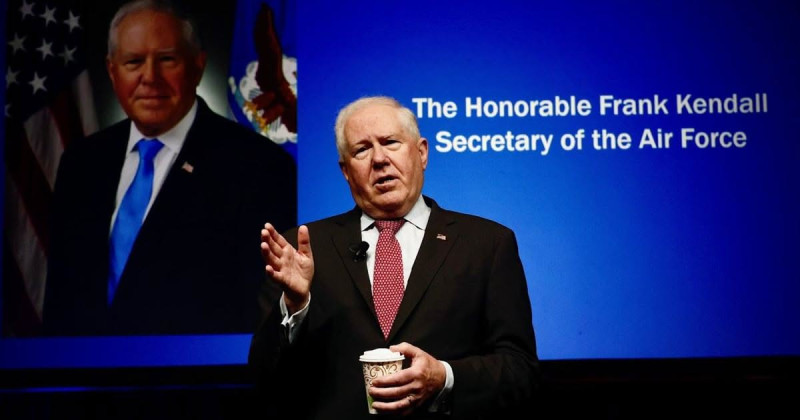
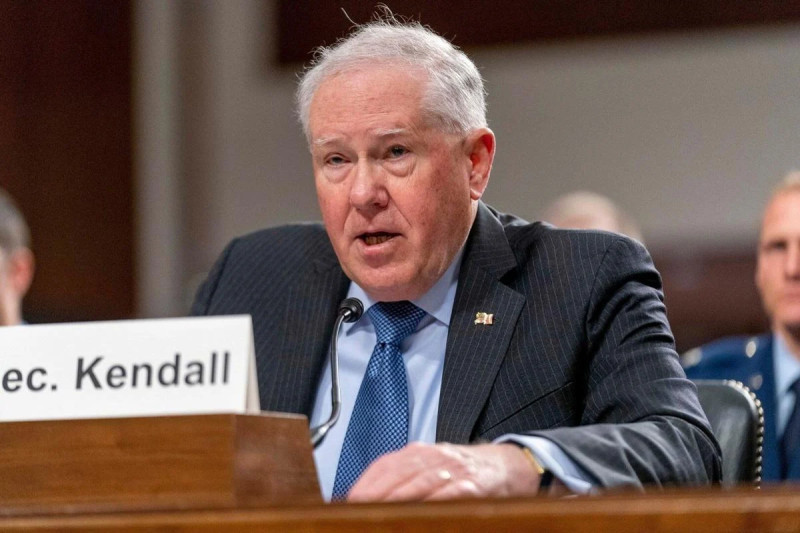
In a dramatic turn of events, former Air Force Secretary Frank Kendall has been stripped of his security clearance by the Pentagon. The move comes amid allegations of an unauthorized disclosure of classified information about Air Force One, plunging the former official into a swirl of controversy. The revelation has sent shockwaves through the defense community, sparking questions about the integrity of classified information and the accountability of high-ranking officials.
Unveiling the Controversy: The Disclosure
The saga unfolded in the fluorescent glare of the briefing room, where Pentagon spokesperson Sean Parnell announced the decision. The revocation of Kendall's security clearance and his eligibility to hold sensitive positions was effective immediately, a clear indication of the severity of the alleged offense. The unauthorized disclosure involved details about Air Force One's capabilities, a revelation that has significant implications for national security.
The specifics of what was leaked remain shrouded in secrecy, but the fact that such sensitive information was shared with a media outlet has raised eyebrows. The Pentagon's swift response underscores the gravity of the situation, as any breach of classified information can have far-reaching consequences, from compromising operational readiness to tarnishing the nation's security posture. The hum of phones buzzing in pockets across the defense community was a testament to the impact of the news.
Frank Kendall: A Brief Overview
Frank Kendall III, a prominent figure in the defense community, served as the Secretary of the Air Force during a critical period. His tenure was marked by significant advancements and strategic initiatives, but his recent actions have cast a long shadow over his legacy. The incident has prompted a closer look at his role and the systems in place to safeguard classified information.
Kendall's career has been a blend of military service and public office, with a trajectory that includes key positions within the defense sector. His leadership, especially during his time as the Air Force Secretary, was instrumental in shaping policy and strategy. However, the recent allegations have put a spotlight on his actions and the broader issue of information security within the military.
The Fallout and Its Implications
The revocation of Kendall's security clearance is a stark reminder of the stringent measures in place to protect classified information. The incident has triggered a wave of scrutiny, not just on Kendall, but on the protocols and safeguards within the defense establishment. As the Pentagon grapples with the fallout, the focus is on ensuring that such breaches do not recur.
In the aftermath of the controversy, the Pentagon has initiated a comprehensive review of its security protocols. The aim is to bolster defenses and prevent future leaks, which could have catastrophic consequences. The incident has also highlighted the need for vigilance and accountability at all levels of the defense hierarchy, underscoring the importance of maintaining the trust and confidentiality that are the cornerstones of national security.
The saga of Frank Kendall and the unauthorized disclosure of Air Force One's capabilities is far from over. As the defense community continues to grapple with the implications, the spotlight remains on the former Air Force Secretary and the broader issues of information security and accountability. The Pentagon's decisive action sends a clear message: no stone will be left unturned in the quest to safeguard the nation's most sensitive information.
How does this story make you feel?
 Up next · PoliticsPentagon Strips Frank Kendall of Clearance in classified Disclosure Scandal