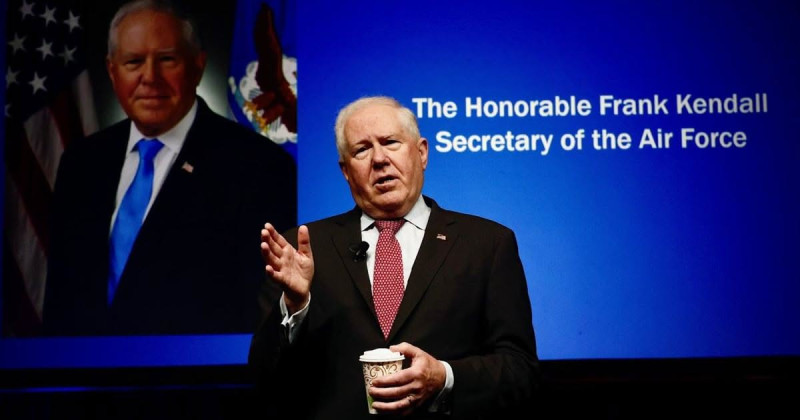
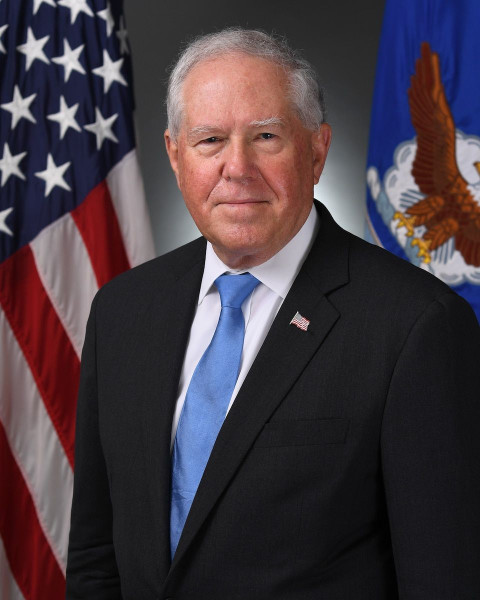
Frank Kendall's Security Clearance Revoked: A Turbulence in the Pentagon
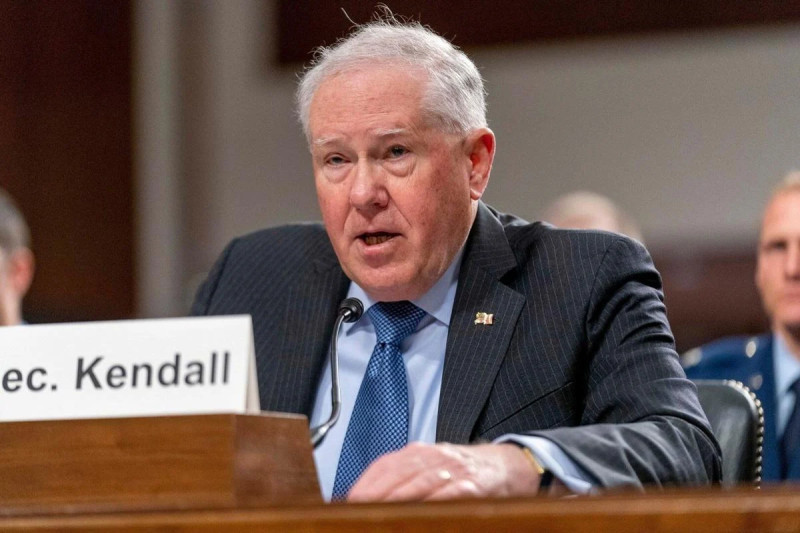
Think of it as the sudden grounding of a seasoned pilot. Frank Kendall, a name synonymous with the skies due to his tenure as the Secretary of the Air Force, has been stripped of his security clearance. But why has this figure become a focal point of recent public attention? The answer, it seems, lies in a single allegation: an unauthorized disclosure of highly sensitive information
The Unauthorized Disclosure: What Happened?
The crux of the matter is the allegation of an unauthorized disclosure. Frank Kendall, recently a Secretary of the Air Force, is accused of sharing classified details about Air Force One's capabilities with the press. According to reports, this breach involved sensitive information that should have remained confidential. The Pentagon, in a swift response, revoked Kendall’s security clearance, thus rendering him ineligible to access classified information or hold sensitive positions.
The Pentagon’s Response: Swift and Firm
The Pentagon's reaction to the alleged unauthorized disclosure was swift and decisive. According to sources, the decision to revoke Kendall’s security clearance was made on a Friday, following an in-depth investigation into the incident. Chief Pentagon Spokesman Sean Parnell announced that the revocation was a direct consequence of Kendall’s actions, which compromised national security by revealing classified information.
“The Pentagon revoked former U.S. Air Force Secretary Frank Kendall’s eligibility to access classified information and barred him from holding ‘any sensitive position,’ alleging Friday that he disclosed sensitive information about Air Force One’s capabilities to the media.”.
The Implications: Security and Trust
The revocation of Kendall’s security clearance raises several critical questions about security protocols and the handling of classified information. The incident underscores the delicate balance between transparency and secrecy in matters of national security. It also highlights the trust placed in high-ranking officials to safeguard sensitive information.
“[The Pentagon] revoked former Air Force Secretary Frank Kendall's classified information access and ability to hold sensitive positions over an alleged unauthorized disclosure concerning Air Force One's capabilities.”.
“Frank Kendall’s case serves as a stark reminder of the consequences of breaching the trust that comes with access to such information. It also raises questions about the mechanisms in place to prevent such disclosures and the accountability of those who oversee them.
“Frank Kendall’s security clearance was revoked following an unauthorized disclosure to a media outlet around President Donald Trump's Air Force One.
The Pentagon revoked former Air Force Secretary Frank Kendall's eligibility for access to classified information, accusing him of "unauthorized disclosure of classified information regarding Air Force One".
The Pentagon’s decision reflects a broader issue within the defense establishment: the need for stringent measures to protect national security interests. As the world becomes increasingly interconnected, the challenge of maintaining secrecy while ensuring that critical information is available to those who need it grows more complex. This incident serves as a reminder of the delicate balance that must be struck between transparency and security, a balance that is fundamental to the functioning of any government or military establishment.
As of now, the future of Frank Kendall’s career in public service remains uncertain. The revocation of his security clearance is a significant blow, but it also opens the door to a broader conversation about the safeguarding of classified information. This incident is not just about one individual; it is a wake-up call to the entire defense establishment. The challenge is not just about preventing such disclosures but also about fostering a culture of accountability and transparency. The next step is to wait and see how the Pentagon will address these issues in the coming days.
How does this story make you feel?
 Up next · PoliticsDHS Proposal Threatens to Eliminate H-1B 60-Day Grace Period