Louisiana’s Flesh-Eating Bacteria Crisis: A Worsening Epidemic
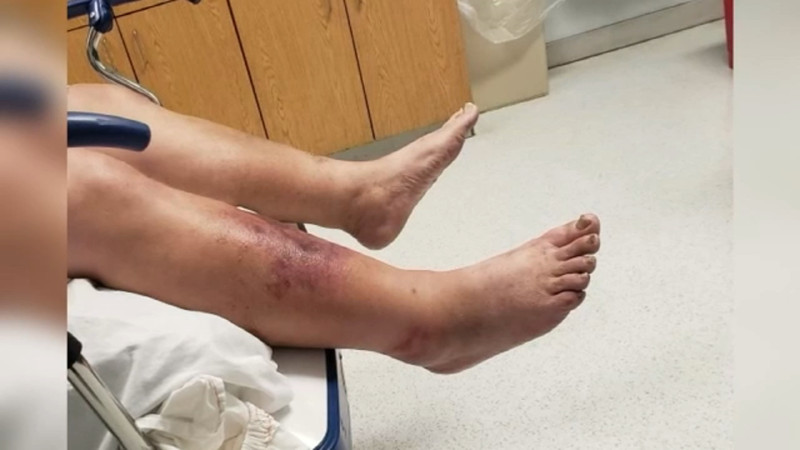
The coastal waters of Louisiana are under siege from a silent, deadly invader: the flesh-eating bacterium Vibrio vulnificus. In recent times, this bacterium has claimed the lives of five residents, prompting a urgent call to arms from the Louisiana Department of Health (LDH). This Louisiana Vibrio vulnificus outbreak is not just a health crisis; it’s a grim reminder of the state's constant battle against environmental threats.
Understanding the Vibrio vulnificus Threat
Vibrio vulnificus is an opportunistic bacterium, meaning it exploits weakened immune systems and open wounds to cause severe infections. The bacterium thrives in warm, brackish coastal waters, making the Gulf Coast region particularly vulnerable. While the bacterium is naturally present in the environment, its increasing prevalence and severity pose a serious threat to public health. The LDH has reported nine cases of Vibrio vulnificus infections so far this year, five of which have been fatal, marking a stark increase from previous years.
Whereas in previous years, Louisiana reported an average of seven cases and one death during the same period, the current outbreak signifies a worrying escalation in the infection rate and severity.
Health officials warn that the bacterium can enter the body through open wounds or by consuming raw or undercooked seafood, leading to severe infections that can turn fatal if not treated promptly. The Louisiana Department of Health has issued urgent warnings and preventive measures to mitigate the risk. “We are urging everyone to exercise caution and take necessary precautions to prevent infection,” said a spokesperson. “This is a serious public health concern, and we need everyone to be vigilant”.
One of the unique challenges posed by Vibrio vulnificus is its ability to cause necrotizing fasciitis, a condition often referred to as 'flesh-eating.' This infection damages the tissue beneath the skin and can spread rapidly, leading to amputations or death if not treated in time. The bacterium’s aggressive nature and the difficulty in diagnosing it early make it especially dangerous.
Health officials are particularly concerned about the timing of the outbreak, as summer and early fall are prime periods for Vibrio vulnificus infections. The warm waters of the Gulf Coast provide an ideal breeding ground for the bacterium, increasing the likelihood of exposure for residents and visitors alike.
Preventative Measures and Public Awareness
The LDH has emphasized the importance of public awareness and preventive measures. Residents are advised to avoid swimming in warm, brackish waters with open wounds, to wear protective clothing when in contact with seawater, and to cook seafood thoroughly before consumption. Additionally, individuals with weakened immune systems are urged to be especially cautious, as they are at higher risk for severe infections.
Despite these warnings, some argue that the focus on public awareness is insufficient. Critics suggest that more stringent environmental monitoring and control measures are needed to address the root causes of the outbreak. “We need to do more than just warn the public; we need to tackle the problem at its source,” said an environmental activist.
In response, the LDH acknowledges the need for a multi-faceted approach, combining public education with environmental management. “We are working on multiple fronts to address this issue,” said a health official. “While public awareness is crucial, we are also exploring ways to mitigate the environmental factors that contribute to the proliferation of this bacterium”.
Historical Parallels and the Future
Louisiana’s battle against Vibrio vulnificus is a stark reminder of the state's long history of environmental and health challenges. From hurricanes to oil spills, the Gulf Coast has always faced daunting threats, but the resilience of its people has been unwavering.
Let's not forget that this is not the first time Louisiana has faced such a threat. In 2025, a similar outbreak occurred, with five deaths reported by September 16. The Louisiana Department of Health confirmed the outbreak and urged residents to take precautions to prevent infection.
As we grapple with the current outbreak, it is clear that the battle against Vibrio vulnificus is far from over. But with continued vigilance, public awareness, and proactive measures, Louisiana can once again rise to the challenge and protect its residents from this silent, deadly invader.
How does this story make you feel?
 Up next · HealthLindsay Clancy’s Legal Battle: New Testimony Raises More Questions