Deadly Outbreak: Louisiana Faces Surge in Vibrio Vulnificus Infections
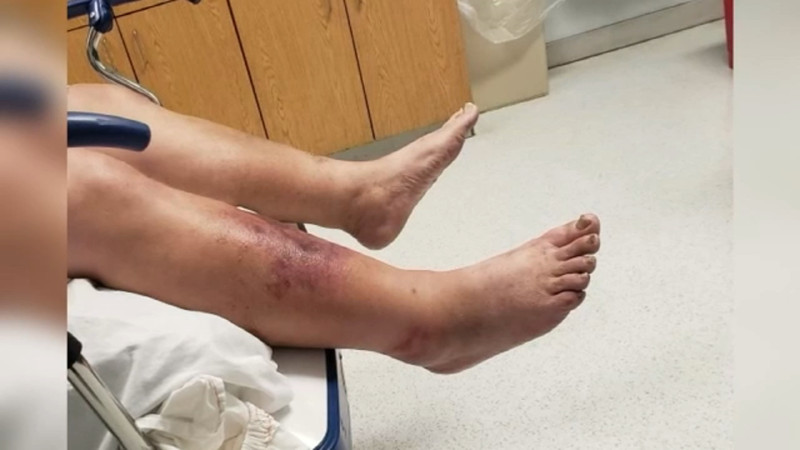
Louisiana is grappling with an alarming surge in Vibrio vulnificus infections, with five deaths recorded recently, according to the Louisiana Department of Health (LDH). The deadly flesh-eating bacteria, commonly found in warm coastal waters, has raised serious health concerns for residents and authorities alike. Here's the latest on this growing public health issue and what experts say about the potential risks and precautions to take.
Vibrio Vulnificus: A Growing Public Health Threat
The Vibrio vulnificus bacterium, known for its aggressive and potentially fatal nature, has recently caused significant alarm in Louisiana. Residents are being urged to take extra precautions, especially when in contact with coastal waters. The bacteria thrive in warm, brackish waters, making the coastal regions of Louisiana particularly vulnerable.
In recent times, Louisiana has reported a sharp increase in cases, with five fatalities and four hospitalizations this year alone. The state has historically seen lower rates of infection, making this year's figures especially concerning. Officials are now calling on residents to be vigilant, as the bacteria can quickly turn a minor cut or wound into a serious, life-threatening infection.
Understanding the Bacteria: How It Spreads and Who's At Risk
So, how does Vibrio vulnificus infect people? The bacteria are typically found in warm coastal waters, especially during the summer months. Infection can occur when contaminated seawater enters an open wound, cut, or scrape. People with compromised immune systems, liver disease, or diabetes are at higher risk of developing severe infections, which can lead to tissue necrosis and sepsis in severe cases.
Look, we’re not talking about some minor skin irritation here. This is a flesh-eating bacteria, and it needs to be taken seriously. The LDH advises that anyone with open wounds should avoid swimming or wading in warm coastal waters. Infections can progress rapidly, so it's crucial to seek medical attention immediately if you suspect an infection.
If you've ever had a cut or scrape that got worse after a day at the beach, you might have had a close call with Vibrio vulnificus. It's a scary thought, but knowing the risks and taking preventive measures can make a big difference.
Preventive Measures and Public Awareness
In response to the spike in cases, Louisiana health officials have issued warnings and preventive guidelines. The LDH urges residents to be mindful of their interactions with coastal waters, especially during the peak infection season, which typically runs from May to October.
But it’s not just about avoiding the water. People are also being encouraged to cover any open wounds with waterproof bandages before entering the water. This simple step can significantly reduce the risk of infection.
Here's the thing: the public’s awareness and adherence to these guidelines are crucial. The LDH is working diligently to educate the public about the risks and necessary precautions.
"The most important thing residents can do is to be aware of the signs and symptoms of a Vibrio vulnificus infection," said a spokesperson for the LDH. "Early detection and treatment can save lives".
The LDH continues to monitor the situation closely and is prepared to take further action if necessary. They are extending their efforts to ensure that hospitals and healthcare providers are equipped to handle potential cases efficiently.
We're left to wonder if this surge in infections is a one-off anomaly or a sign of things to come. Louisiana’s coastal waters might be beautiful, but they can also be deadly. It's crucial to stay informed and take the necessary precautions.
Let’s end with a sobering thought. In the annals of history, there have been many outbreaks that have reshaped public health policy. Think of the 1918 Spanish Flu or the 2020 COVID-19 pandemic. Each of these events forced societies to re-evaluate their approaches to public health and safety. This recent surge in Vibrio vulnificus infections may be another such turning point, urging us to rethink our interactions with nature and the potential risks that lie beneath the surface. So, as you enjoy your next coastal adventure, remember: the water is beautiful, but it can also be a silent killer. Stay vigilant, and stay safe.
How does this story make you feel?
 Up next · HealthLouisiana’s Flesh-Eating Bacteria Crisis: A Worsening Epidemic