Mark Zuckerberg's Superyacht Faces Controversy and Environmental Concerns
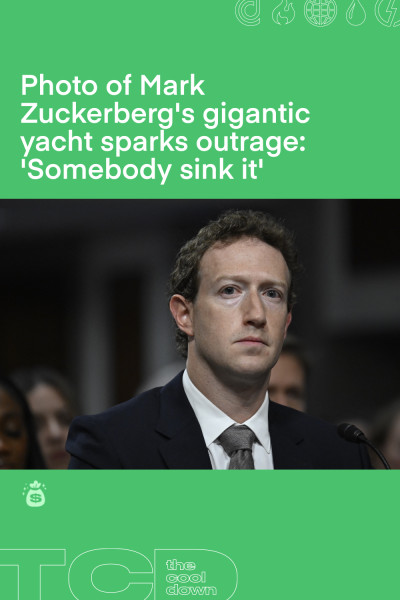
The superyacht owned by Mark Zuckerberg, the billionaire and CEO of Meta, has once again found itself under the spotlight. The 387-foot vessel, named Launchpad, has sparked both intrigue and criticism in recent times. The controversial yacht has been the subject of debate over its environmental impact, its involvement in a maritime incident, and its sheer extravagance.
Criticism Over Environmental Impact
The Launchpad is a masterpiece of luxury and design, valued at around $300 million. However, the vessel's environmental impact has recently come under scrutiny. In just 9 months of cruising, the yacht has consumed an astonishing 2 million liters of diesel and emitted 5,300 tons of CO₂. This has raised significant questions about the environmental footprint of such luxurious vessels, especially when owned by a figure like Zuckerberg, who is known for his public commitments to sustainability and climate action.
Critics argue that the superyacht epitomizes the stark contrast between the opulent lifestyles of the ultra-wealthy and the urgent need for environmental conservation. The vessel's carbon emissions are a stark reminder of the challenges posed by luxury travel and the need for sustainable alternatives.
Controversy Over Maritime Incident
The yacht has also faced questions over a recent maritime incident. Reports suggest that a small cruise ship in southeast Alaska had to rescue a stranded skiff and its crew, even though the Launchpad was closer to the scene. The incident has sparked debate over the role and responsibility of such luxurious vessels in maritime emergencies. Zuckerberg's spokesperson, however, denied that the superyacht intentionally ignored the assistance call.
Think again. The situation highlights the broader debate about the responsibilities of private luxury vessels in maritime emergencies. While the Launchpad was in the vicinity, a smaller cruise ship stepped in to rescue the stranded vessel. This has raised questions about the protocols and responsibilities of luxury yachts in such situations. The incident underscores the need for clearer guidelines and increased awareness among high-end vessels regarding their role in maritime safety.
The Enigma of the Superyacht's Journey
The Launchpad recently left Europe, making its way across the Atlantic after undergoing extensive maintenance and upgrades. The yacht was docked at La Ciotat, one of the Mediterranean's most exclusive shipyards, to address various maintenance issues. The vessel's journey has been closely followed by maritime enthusiasts and critics alike, who are curious about the extent of its travels and the purpose behind its various stops.
Nobody saw this coming. Zuckerberg's superyacht has been anchored in Auke Bay, north of Juneau, a place known for its natural beauty and serene waters. The decision to dock in such a location has sparked curiosity and speculation. Given its luxurious features and the ecological concerns it raises, the presence of the yacht in Auke Bay is a poignant reminder of the complex interplay between luxury and the natural world.
"The environmental impact of superyachts like Launchpad is a growing concern. These vessels consume vast amounts of fuel and emit significant levels of CO₂, contributing to the global carbon footprint. It's crucial for owners and manufacturers to prioritize sustainability and explore greener alternatives," says an environmental expert.
Mark Zuckerberg's superyacht Launchpad is a microcosm of broader questions about luxury, responsibility, and the environment. As it continues to make headlines, it serves as a reminder of the delicate balance between opulence and sustainability.
How does this story make you feel?
 Up next · TechShake Shack's Self-Checkout Surcharge Sparks Viral Outrage