The Ground Shifts: Colombia Rocked by Recent Earthquake

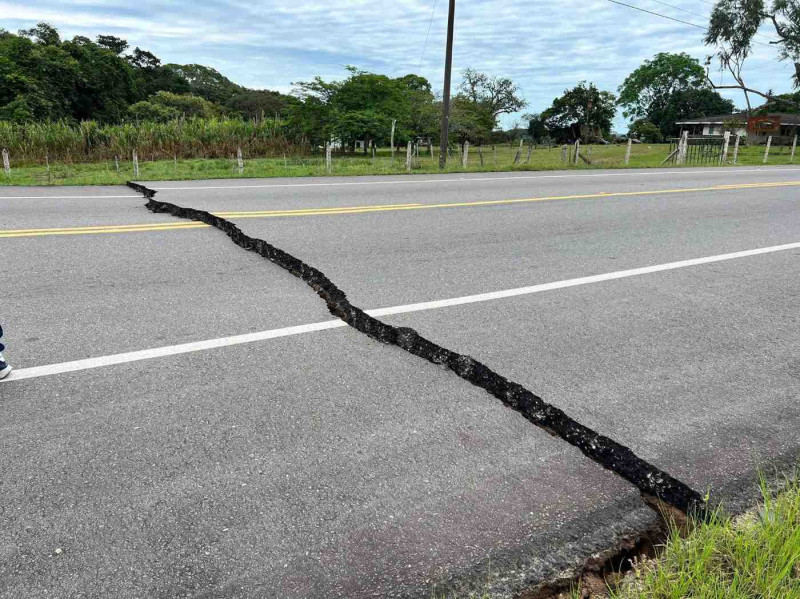
Western Colombia has been shaken by a powerful seismic event, with the region grappling with the aftermath of a magnitude-7.4 earthquake that has left a trail of devastation and uncertainty. The quake, which struck with a depth of 107 kilometers, has resulted in significant loss of life and infrastructure, with reports indicating at least 20 fatalities.
The Epicenter and the Impact
The earthquake's epicenter was located near the village of San José del Palmar, in the province of Chocó, on Colombia's Pacific coast. This area, known for its lush landscapes and vibrant communities, has been severely affected, with buildings collapsing and residents left in a state of shock. The tremors were not confined to Colombia; they were also felt in neighboring countries, including Ecuador, Panama, and Venezuela. The quake's reach has underscored the interconnectedness of the region and the far-reaching consequences of natural disasters.
A City in Ruins: San Jose Del Palmar
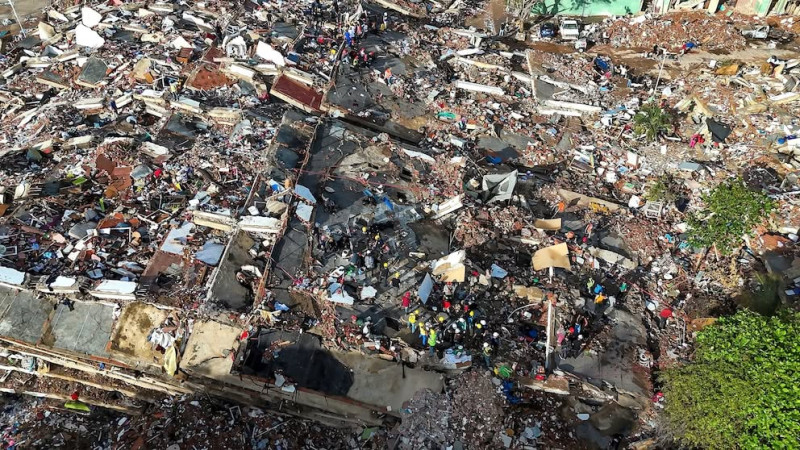
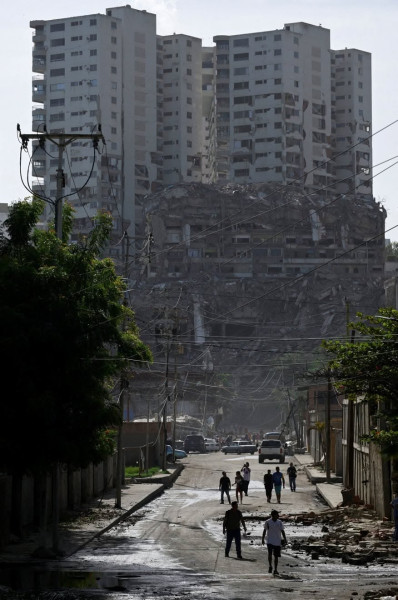
The earthquake's impact was particularly devastating in San Jose Del Palmar, where the epicenter was located. The village, with a population of around 5,000, is nestled in the lush landscapes of the Pacific coast. Local authorities have reported widespread damage to buildings, with many structures reduced to rubble. The quake occurred at a depth of 107 kilometers, which, while deep, was still powerful enough to cause significant surface damage. The local hospital has been overwhelmed with injuries, and rescue teams are working tirelessly to extract those trapped under the debris.
Colombia's Seismic Vulnerability
Colombia lies in a region of high seismic activity, a fact that has been highlighted by recent events. The country is situated on the Pacific Ring of Fire, a zone known for its frequent earthquakes and volcanic eruptions. This geological reality has shaped Colombia's history, with past earthquakes leaving deep scars on the landscape and the collective memory. The most recent quake is a stark reminder of the country's ongoing vulnerability to such events. The USGS has recorded the earthquake's magnitude at 7.4, a level that can cause significant damage even in well-prepared areas. The quake's depth of 107 kilometers, while deep, was still powerful enough to cause significant surface damage. The local mayor of Cali has reported serious damage and people trapped inside buildings.
A 7.4-magnitude earthquake was recorded Monday in western Colombia, according to the U.S. Geological Survey (USGS), with tremors felt in several cities across the country.
The Romeral Fault System, a major fault line running through Colombia, has been a recurring source of seismic activity. This fault system has historically been responsible for several significant earthquakes in the region. The latest quake, while not directly attributed to the Romeral Fault, is a part of the ongoing seismic activity that characterizes this area. The USGS has recorded the quake's magnitude at 7.4, a level that can cause significant damage even in well-prepared areas. Colombia's ongoing seismic activity has highlighted the need for robust infrastructure and emergency preparedness to mitigate future risks.
The Colombia earthquake has left a devastating impact on the country, with the loss of life and infrastructure, and the far-reaching consequences of the seismic event. As the nation grapples with the aftermath, the question remains: how can Colombia better prepare for and respond to future seismic events, ensuring the safety and resilience of its communities in a region prone to such natural disasters?
How does this story make you feel?
 Up next · WorldUn Terremoto Desata el Caos en Colombia