Minnesota's 2026 Primary Election Results: Key Races and Early Data
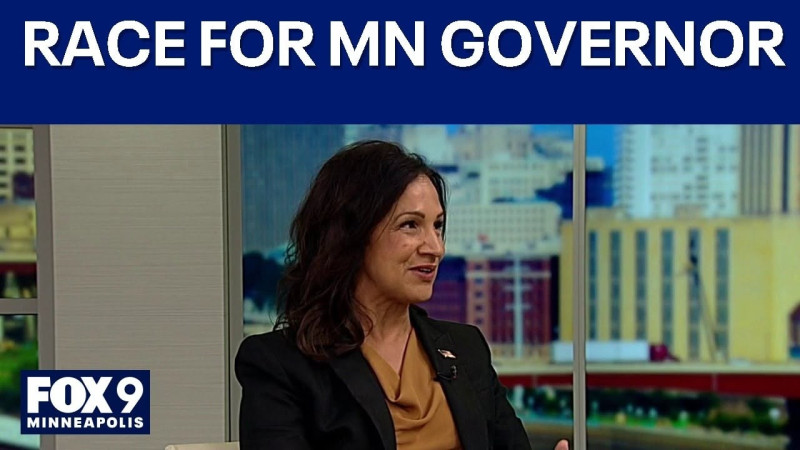
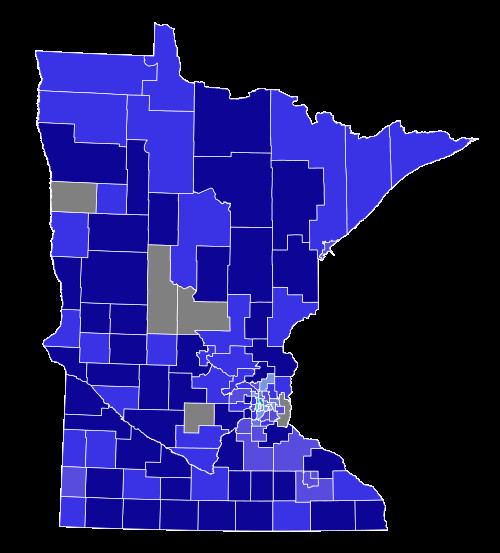
The 2026 Minnesota primary elections have captivated the state, with voters casting ballots in crucial races for governor, Senate, and House seats. As results trickle in, the political landscape is beginning to take shape. This year’s election season has seen an influx of interest, particularly with heavy spending from outside groups and high-stakes campaigns.
Governor's Race: Key Contenders and Early Leads
In the governor's race, Matt Klein, a prominent state senator, has surged to the forefront with significant backing from outside groups. State Rep. Kaela Berg and former state Sen. Matt Little are also in the mix. Berg and Little have garnered attention by positioning themselves to Klein's left, with Little also carrying the state party endorsement.
The early leads are indicative of a tight race, with Klein's moderate stance appealing to a broad spectrum of voters. However, Berg and Little's more progressive platforms are making inroads, particularly in urban areas. As of the latest available reports, the race remains too close to call, with each candidate vying for crucial votes.
Senate and House Races: Competitive Battles and Early Outcomes
The Senate and House races are also heating up. Recent tallies show a close contest in several key districts, with candidates from both major parties vying for their party's nomination. In the Senate race, outside spending has been a major factor, with significant funds pouring in to support various candidates. This spending has intensified the competition, making the outcomes even more unpredictable.
In the House races, early results indicate a close race in several districts, with some candidates pulling ahead in early voting tallies. The races for Districts 1-8 are particularly contentious, with voters choosing between Democrat and Republican candidates who will go on to compete in the general election in November.
Impact of Early Voting and Outside Influences
The influence of early voting and outside spending has been a significant factor in this year’s primary. The state has seen a surge in early voting, with many voters opting to cast their ballots before Election Day. This trend has added complexity to the election process, as vote counts are staggered over a longer period, making real-time predictions challenging.
Outside groups have also played a pivotal role, particularly in the governor's race. The substantial spending by these groups has skewed the dynamics, with candidates like Klein receiving significant financial backing. This has led to a more aggressive campaign season, with candidates and their allies vying for every vote.
As the results continue to roll in, the election results are shaping up to be a rollercoaster of outcomes. The political stakes are high, and the outcomes of these races will have lasting implications for the state’s future.
Next up, a vote tally deadline looms, promising to determine the future trajectory of Minnesota’s political landscape.
How does this story make you feel?
 Up next · PoliticsTafoya Wins GOP Primary in Minnesota with No Spin