Flock Camera Map Controversies: Surveillance and Sabotage Escalate
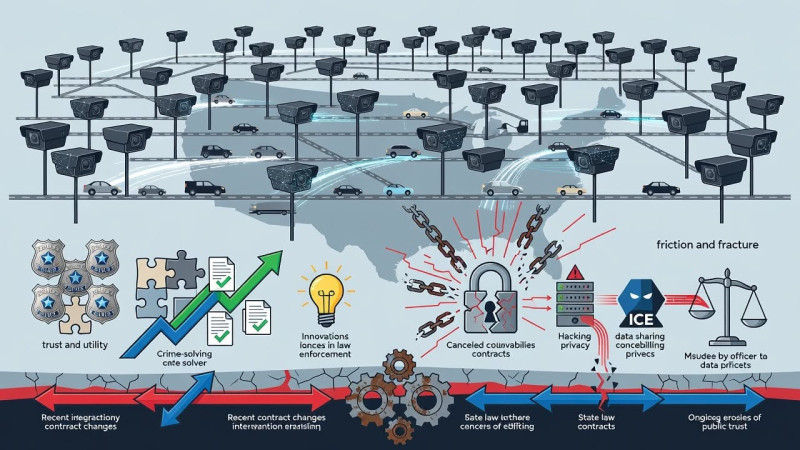
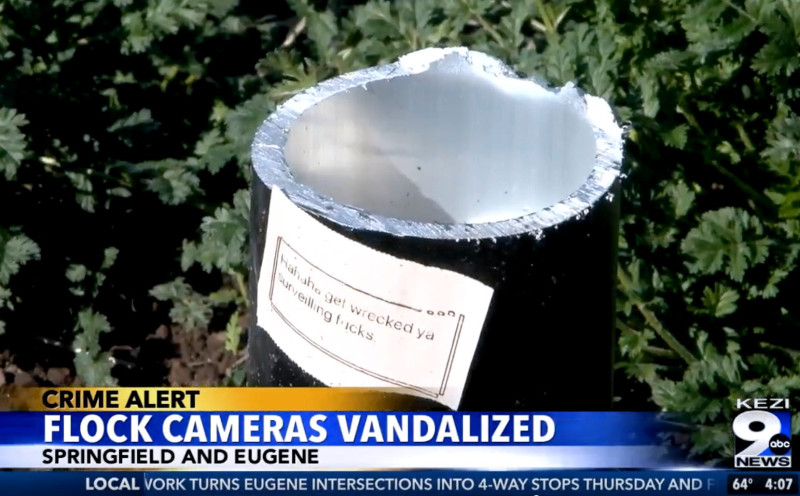
In the quiet of the evening, under the watchful eyes of countless cameras, a mysterious figure dons a hood and approaches a Flock camera mounted on a lamppost. The figure's gloved hands reach up to the device, and with a swift movement, they disconnect the camera from its power source. The vigilante's act is a vivid symbol of the growing resistance against the increasing surveillance presence in American neighborhoods. The incidents of Flock camera sabotage have skyrocketed recently, sparking a national debate on privacy and security.
What Are Flock cameras and Why Are They Being Targeted?
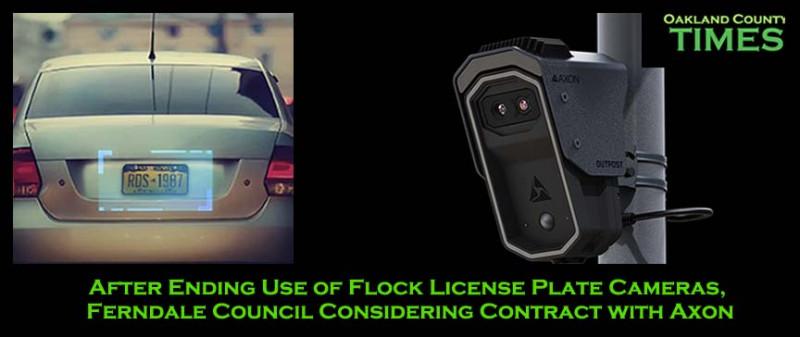
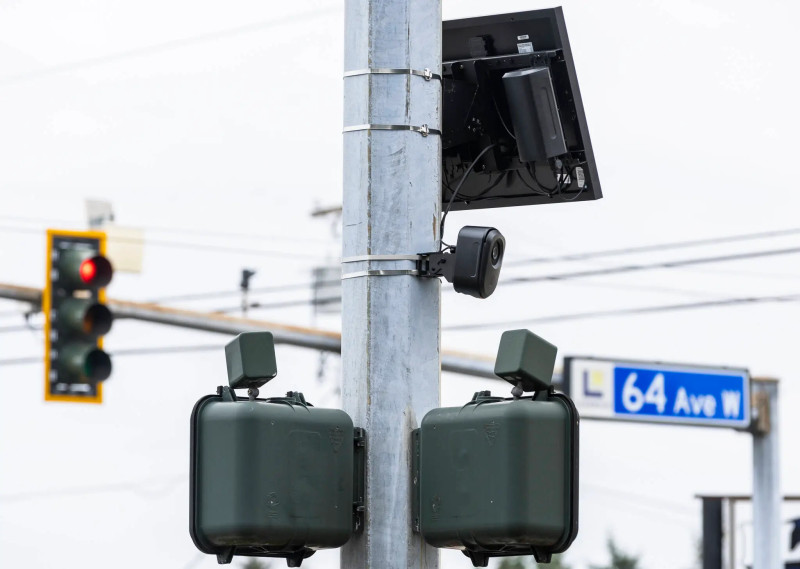
Flock cameras, developed by Flock Safety, are automated license plate-reading (ALPR) devices that scan and store data from passing vehicles. These cameras have been deployed across the country by law enforcement agencies to aid in crime prevention and stolen vehicle recovery. However, their widespread use has sparked intense debate and controversy, with civil liberties groups and citizens alike raising concerns about privacy and mass surveillance.
The primary function of Flock cameras is to scan license plates and store the data for a set period, usually 30 days, though this can vary based on local regulations. The data collected can be used by law enforcement to track down suspects, recover stolen vehicles, and even issue fines for minor infractions, such as phone use while driving.
Despite the potential benefits, Flock cameras have been criticized for their invasive nature. The cameras, which are often mounted in public spaces, can capture data from every vehicle that passes by, leading to concerns about overreach and the potential for misuse. In recent times, communities across the nation have pushed back against the cameras, with many calling for their removal or reduced use.
Sparking Controversy: Recent Sabotage and Public Outcry
The growing controversy around Flock cameras has led to a rise in vandalism and sabotage incidents, as citizens take matters into their own hands to resist what they see as an infringement on their privacy. The incidents, which range from simple disconnections to outright destruction, have become a flashpoint in the ongoing debate about surveillance and civil liberties.
One recent incident involved a North Carolina police officer who was arrested for allegedly using Flock license plate readers to track her boyfriend's ex-wife. The case highlights the potential for misuse by law enforcement and has raised serious legal and privacy concerns, further fueling public outcry.
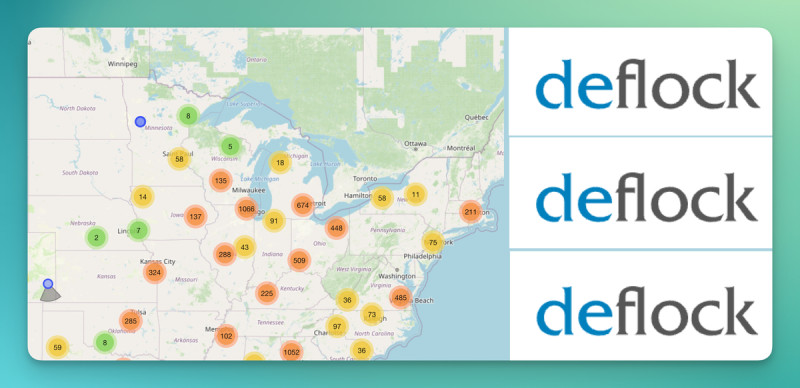
Many activists and concerned citizens have created online platforms and websites to help track the installation of Flock cameras in their neighborhoods. These platforms provide open-source data and tools to monitor the growing surveillance presence, allowing communities to stay informed and organized in their resistance.
Despite the pushback, Flock cameras remain a popular tool among law enforcement agencies. Flock Safety claims that their cameras are used by over 5,000 law enforcement departments across the U.S., and their use is set to continue growing. This, despite the SCOTUS ruling, which could potentially impact the legality of the technology, but isn't expected to halt the trend of mass surveillance.
The Legal Battle and Future Implications
The legal and ethical implications of Flock cameras are complex and multifaceted. While the technology is praised for its effectiveness in aiding law enforcement, the invasion of privacy it represents has led to mounting legal challenges. The recent SCOTUS ruling, which could potentially limit the use of automated license plate readers, has added another layer of uncertainty to the debate. However, many believe that the ruling, while significant, will not be enough to stop the widespread use of surveillance technology.
Still, the debate continues, with communities, activists, and law enforcement agencies all weighing in on the issue. The question of how to balance public safety with individual privacy remains unanswered, as the conflict over Flock cameras rages on. One thing is clear: the fight over surveillance and privacy is far from over and has a long way to go. In the meantime, the future of flock safety cameras remains uncertain, with the public increasingly calling for accountability and transparency in their use.
Lastly, if you’re concerned about whether your neighborhood has been ‘flocked’ — or if you suspect you’ve been tracked by a Flock camera — you may want to look into the growing number of online resources and community websites dedicated to monitoring the spread of these devices. These platforms offer tools and data to help you stay informed and take action, should you choose to. As the controversy around Flock cameras continues to unfold, staying vigilant and informed may be the best defense against this growing surveillance trend.
How does this story make you feel?
 Up next · TechGoogle Unveils Pixel 11: A Major Leap for the Tech Giant