Deflock Movement Gains Steam as Concerns Over Flock Cameras Mount
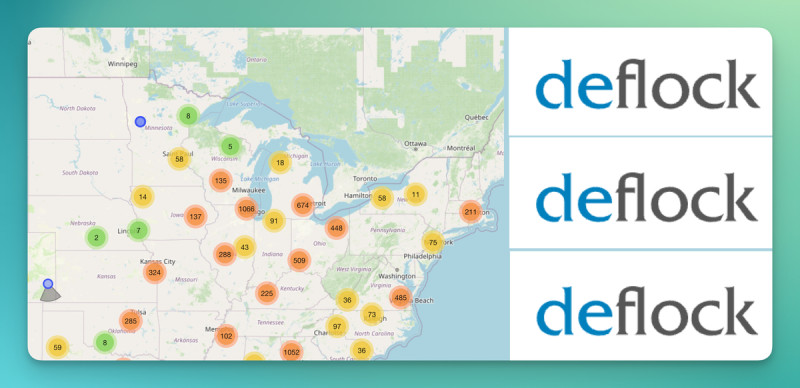
In recent times, Flock cameras, a vast network of license plate readers, have sparked a nationwide backlash, with activists and civil liberties groups rallying under the banner of "deflock." This grassroots movement seeks to dismantle the extensive surveillance infrastructure, citing grave concerns over privacy and abuse.
What is the Deflock Movement and Why is it Gaining Traction?
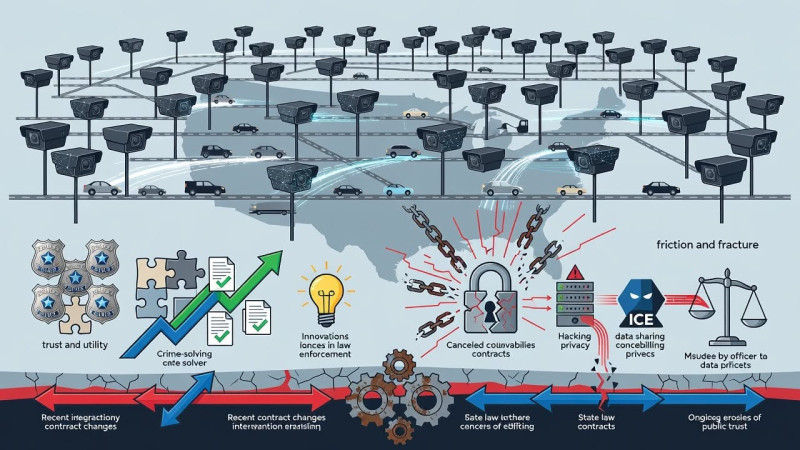
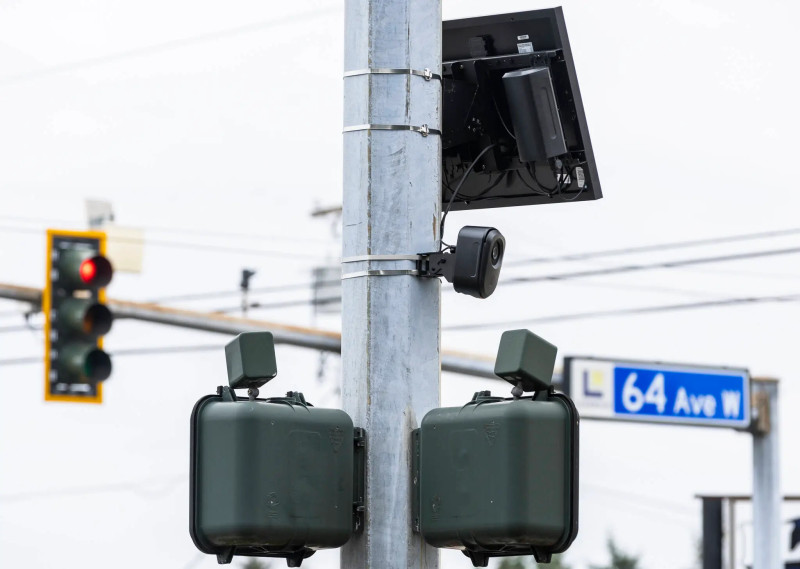
The deflock movement has emerged in response to the rapid deployment of Flock cameras across the United States. Flock Safety, the company behind these cameras, has installed over 120,000 cameras in 49 states, partnering with more than 12,000 customers including neighborhoods, cities, and police agencies. These cameras capture images of passing vehicles, feeding into a vast database that law enforcement can access for investigations. While proponents argue that the cameras help solve crimes, critics contend that they enable warrantless tracking and potential abuse.
Recently, the movement has gained significant momentum as more people become aware of the extent of the surveillance. The deflock movement is not just about takedown cameras or stopping the expansion of Flock's network; it is also about demanding transparency and accountability from law enforcement agencies that use Flock's technology. Activists are calling for public audits of Flock data usage and stricter regulations on how the information is accessed and used.
The Controversy Surrounding Flock Cameras and the Deflock’s Response
Flock cameras have been the subject of intense debate, with critics arguing that they infringe on citizens' privacy and create a surveillance state. The cameras have been used to track vehicles in public roadways, and law enforcement agencies have accessed the data for various purposes, including immigration enforcement and stalking. The ACLU of Massachusetts and other grassroots organizations have analyzed Flock audits, revealing alarming instances of misuse, such as searching data for reasons listed as "immigration" or "ICE." These revelations have fueled public outrage and bolstered the deflock movement.
In response to the growing controversy, some localities have taken steps to end their contracts with Flock. Nearly 100 municipalities have discontinued their use of the cameras, citing concerns over privacy and potential abuse. The deflock movement has been instrumental in pushing for these changes, organizing protests and advocating for transparency in law enforcement's use of surveillance technology.
How Deflock Movement is Fighting Back
One of the key tools in the deflock movement's arsenal is the "Have I Been Flocked?" database. This online platform allows individuals to search public audits of law enforcement agencies' use of Flock cameras. By making this information accessible, the deflock movement aims to empower citizens to hold their local authorities accountable. The database, which compiles public data audits, has become a crucial resource for activists and concerned citizens alike, enabling them to monitor and challenge the use of Flock cameras in their communities.
Moreover, the deflock movement has been proactive in raising awareness about the potential dangers of unregulated surveillance. Activists have highlighted cases where Flock's license plate network was exploited for stalking and harassment. According to available reports, at least 50 cases nationwide involve officers using the network to track ex-partners and women without a warrant. These disturbing revelations have added urgency to the deflock movement's calls for stricter regulations and oversight.
Recently, the ACLU has stepped in to provide resources and support for the deflock movement. The "Get The Flock Out Toolkit" offers practical steps for communities looking to push back against Flock cameras. The toolkit encourages individuals to demand transparency and accountability from their local law enforcement agencies, providing guidance on how to request public audits and challenge the use of surveillance technology.
The ACLU stands with the deflock movement in its fight against unchecked surveillance. We believe that transparency and accountability are essential to protect citizens' privacy and ensure that law enforcement agencies use surveillance technology responsibly.
So, what is next for the deflock movement?
How does this story make you feel?
 Up next · PoliticsCould the Senate Flip in 2026? The Battle for Control