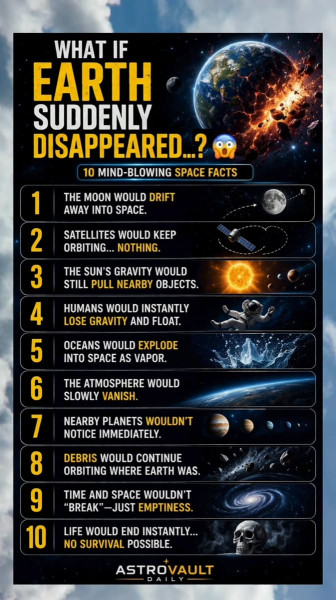
Did Earth Really Lose Gravity? Debunking the Project Anchor Rumor
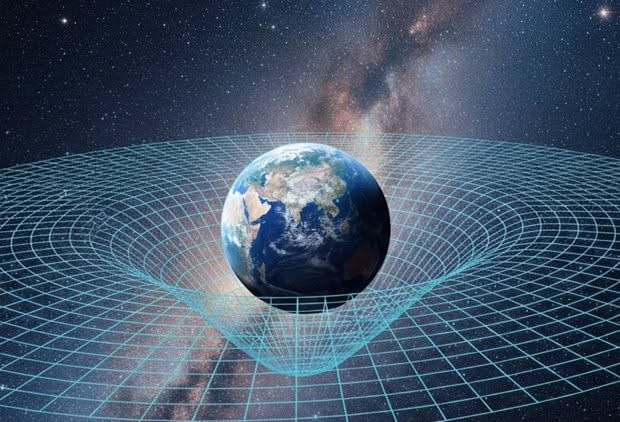
Listen, for weeks, crazy rumors have been making the rounds, saying that Earth would briefly lose its gravity for a full seven seconds on August 12, 2026. Yes, you read that right. People, vehicles, buildings — all floating in the air and then crashing down. It’s the kind of thing that sounds like a scene from a Hollywood disaster flick, right? The twist? This wild claim was supposedly backed by a mysterious NASA document called "Project Anchor".
Unpacking the Project Anchor Rumor
So, what's the deal with this "Project Anchor" document? According to the viral posts, it’s a classified document leaked by NASA. The rumor goes that this document predicts a seven-second gravity blackout on August 12, 2026, leading to chaos around the globe. Some versions even claim it would happen at 14:00. The gravity loss would cause objects and people to float, and it would be catastrophic.
Here's the thing though, Science isn't a conspiracy theory.
You might be thinking, ‘Well, how did this even start? Who leaked this supposed document?’ Unfortunately, there’s no solid proof that "Project Anchor" ever existed. The entire story was likely a hoax designed to create panic and confusion online.
So, What Did Scientists Actually Say?
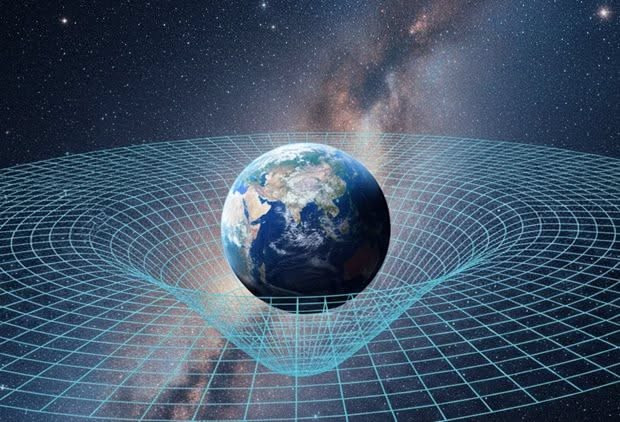
Well, here’s the kicker: Scientists, including NASA, have come out swinging against this wild claim. They’ve pointed out that the idea of Earth losing gravity for seven seconds is physically impossible. From a scientific standpoint, the forces that hold us to the ground are far too stable to suffer such a drastic and temporary loss. Think about it: Gravity is the force that keeps everything from floating off into space. If it suddenly switched off, it wouldn’t just be seven seconds of chaos — it would be the end of life as we know it.
This whole scenario is reminiscent of those old science fiction stories where gravity anomalies cause mass hysteria. But in reality, gravity is a fundamental force of nature, not something that can be turned on and off with a flip of a switch
NASA’s Response: Setting the Record Straight
Now, let’s talk about NASA. The space agency has been vocal in debunking this rumor. They’ve confirmed that the claim is false and that no such document ever existed. "We’re here to explore the universe, not to create wild conspiracy theories," they essentially said. Look, NASA’s been around for decades, and they’ve dealt with their fair share of conspiracies and hoaxes. They’re used to separating fact from fiction, and in this case, fiction won out.
In a statement, NASA said, “No, there is no NASA document called 'Project Anchor' predicting that Earth will lose gravity for seven seconds on August 12, 2026. We do not have any such project, and there is no scientific basis for this claim. We encourage everyone to rely on credible sources for information about our planet and space exploration.”
NASA’s stance is clear: They’re all about science and exploration, not about spreading false rumors. And let’s face it, they’ve got enough on their plate with space travel and missions to the moon and Mars. They don’t have time for internet hoaxes.
"A wild conspiracy theory is spreading online about a seven-second gravity blackout on Earth. The claim suggests NASA knows about this event scheduled for August 12, 2026. It alleges a secret NASA project is underway to prepare for this unprecedented phenomenon. Scientists, however, dismiss such a gravity shutdown as physically impossible." — MSN
So, there you have it. The next time you hear about a mysterious document predicting the end of gravity, remember to take it with a grain of salt. Or better yet, don’t believe everything you read online. Let’s stick to the facts and leave the wild conspiracy theories to the movies.
Why did this spread so quickly?
Here's the twist: This rumor spread like wildfire because of the internet. Social media platforms, with their rapid sharing and lack of fact-checking, made it easy for this hoax to gain traction. People were quick to believe it because it was exciting and terrifying at the same time. Why? Because we humans love a good mystery. And in the age of the internet, anything can go viral, even a hoax about earth gravity..
So, what do you think? Sound familiar? Remind you of anything? Remember the Y2K bug or the end of the world on December 21, 2012? People always seem to love a good apocalyptic rumor. Maybe it’s because it makes us feel alive in the face of such imminent doom. Or maybe it’s just the thrill of the unknown. Bottom line, next time you hear about a mysterious document predicting the end of gravity, remember to take it with a grain of salt. Or better yet, don’t believe everything you read online.
Here's the thing. We can’t control the rumors that spread online, but we can control how we react to them. Let’s choose to be critical thinkers and rely on credible sources for information. Science isn’t a conspiracy theory.
How does this story make you feel?
 Up next · ScienceSolar Eclipse 2026: Expert Tips for Optimal Viewing