Solar Eclipse 2026: Expert Tips for Optimal Viewing
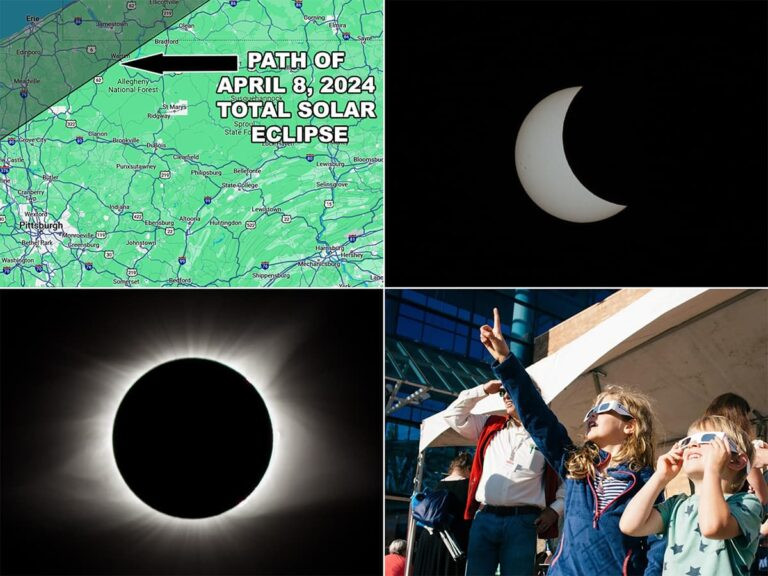
Today, the skies above the United States and Europe are in for a celestial treat as a partial solar eclipse unfolds. This event promises to be a jaw-dropping experience for astronomy enthusiasts and casual stargazers alike. The partial eclipse will offer a rare opportunity to witness the moon’s shadow gradually obscuring the sun, creating a dramatic interplay of light and shadow across the landscape. Let’s dive into the details to ensure you don’t miss out on this extraordinary spectacle.
Key Timings and Visibility
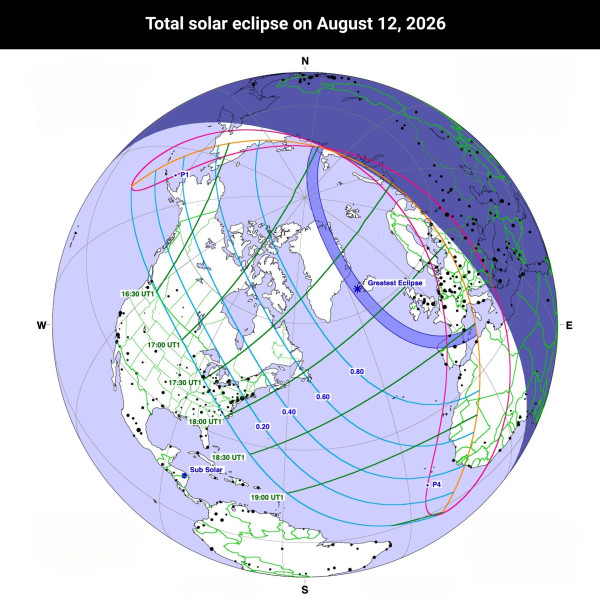
As the eclipse begins, the shadow of the moon will first touch the Earth’s surface at approximately 15:34 GMT, marking the start of the partial phase. The optimal viewing window for those in the United States will be recent. For precise times, viewers in the Eastern Time Zone should look to the skies around 11:34 AM local time, while those in the Central Time Zone can expect the eclipse to start at approximately 10:34 AM local time. For those in the Mountain Time Zone, the eclipse will commence around 9:34 AM. Viewers in the Pacific Time Zone will see the eclipse at 8:34 AM. As the eclipse progresses, the moon will gradually cover more of the sun, reaching its maximum coverage around midday before slowly retreating, offering a unique viewing experience throughout the afternoon.
The Global View
While the partial eclipse is a spectacular sight in itself, the United States is not the only place where the celestial event will be visible. Europe will also get a front-row seat to this cosmic show. Viewers in the UK and other parts of Europe can witness the eclipse as it peaks at around midday, offering a stunning display of natural phenomenon. In Europe, the partial eclipse will provide a unique and dramatic sight, with the moon appearing to take a bite out of the sun as it traverses the sky. The event will be particularly striking in Western Europe, where the eclipse will be more pronounced, making it a must-see for both amateur and professional astronomers.
How to View the Eclipse Safely
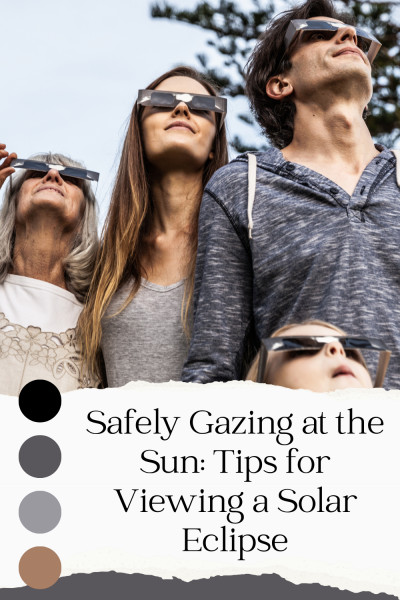
One of the most important aspects of viewing a solar eclipse is safety. Looking directly at the sun can cause serious and permanent damage to your eyes. To safely enjoy the eclipse, it is essential to use approved solar filters or eclipse glasses that meet international safety standards. These glasses are designed to block harmful UV and infrared radiation, allowing you to view the eclipse without risking your eyesight. It’s also important to ensure that the glasses are not scratched or damaged in any way, as this can compromise their effectiveness.
For those who prefer a more hands-on approach, building a pinhole projector can be a fun and safe way to view the eclipse. This simple device allows you to project the sun’s image onto a surface, providing a clear and safe view of the eclipse’s progress. Pinhole projectors can be made using household items such as cardboard, aluminum foil, and a piece of white paper, making it an accessible option for families and educational settings. Additionally, many local astronomy clubs and observatories will host public viewing events, providing telescopes and other viewing equipment for safe and enhanced observation.
Let’s not kid ourselves — the partial eclipse offers a more muted experience compared to a total solar eclipse. However, it presents a unique opportunity to appreciate the intricate dance of celestial bodies without the need for extensive travel or specialized equipment. For those who are lucky enough to witness the event, the memory of seeing the moon’s shadow obscure the sun will be a cherished one. Safe viewing!
One thing that nobody’s asking: why do we wait for these rare moments to look up at the sky?
The unique celestial event is set to captivate viewers across North America and Europe, showcasing the awe-inspiring beauty of a partial solar eclipse.
How does this story make you feel?
 Up next · ScienceThe Rumor: Earth to Lose Gravity for 7 Seconds