Blood moon total lunar eclipse visible across night‑side Earth
A total lunar eclipse, called a blood moon, illuminated the night sky on August 27‑28, 2026, showing a deep red moon visible from North America, Australia, East Asia, and parts of Europe, Africa, and the Americas.
Key points
- The eclipse was a total lunar event, casting a red shadow on the full moon.
- It was visible to anyone on the night side of Earth, not just a narrow path.
- The total phase lasted up to 1 hour 47 minutes and was seen from North America, Australia, East Asia, and parts of Europe, Africa, and South America.
- Clear skies were needed for best viewing; local weather could affect visibility.
- NASA confirmed the event and noted its scientific value for studying atmospheric scattering.
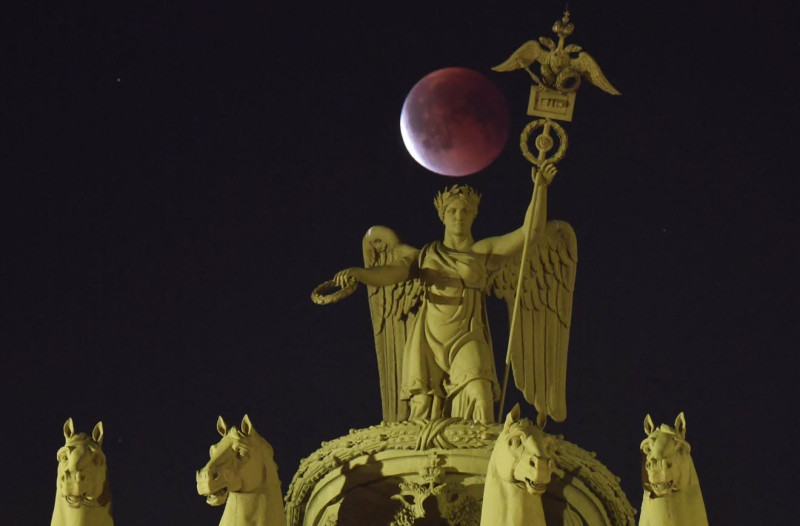
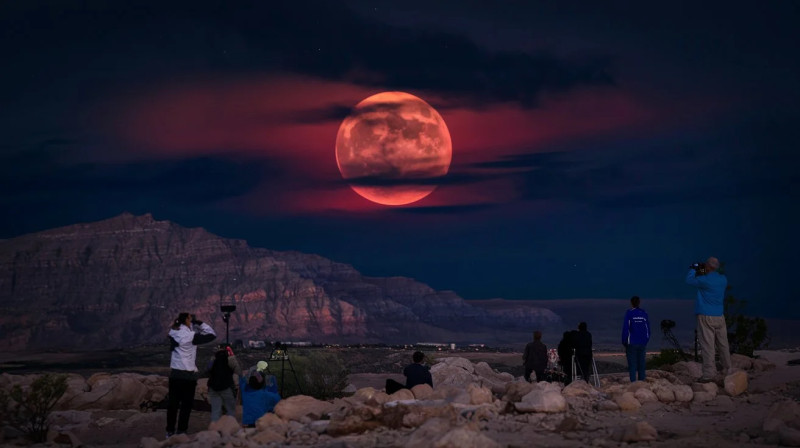
In the early hours of this morning, a blood moon total lunar eclipse graced the night sky, captivating stargazers and astronomy enthusiasts across the globe. This rare event was visible to observers on the night side of the Earth, casting a deep red shadow over the full moon.
Understanding the Blood Moon Phenomenon
The term blood moon refers to the reddish hue that the moon takes on during a total lunar eclipse. This occurs when the Earth comes between the sun and the moon, casting the moon into the Earth's umbra, or shadow. During this alignment, the moon does not disappear but instead turns a striking shade of red. This phenomenon is due to the scattering of sunlight by Earth's atmosphere, which filters out shorter wavelengths of light, leaving only the red wavelengths to reach the moon's surface.
Unlike solar eclipses, which require viewers to be in a narrow path of totality, lunar eclipses are visible to everyone on the night side of Earth at the time of the event. This makes the blood moon a widely accessible celestial spectacle, appreciated by both amateur and professional astronomers alike.
Visibility and Timing of the Blood Moon Total Lunar Eclipse
The most recent blood moon total lunar eclipse was visible across North America, Australia, and East Asia. This event was particularly noteworthy as it was part of a series of lunar eclipses that have been occurring in recent times. The exact timing and duration of the eclipse can vary, but it typically lasts for several hours, with the total phase lasting up to 1 hour and 47 minutes.
For those in the UK, Europe, Africa, North America, and South America, this event was visible on the evening of 27 August, or the morning of 28 August, depending on their location. The visibility of the blood moon also depends on local weather conditions, with clear skies providing the best viewing experience.
The Impact of the Blood Moon on Cultural and Scientific Communities
Throughout history, the blood moon has held significant cultural and symbolic meaning for various societies. In many cultures, it has been associated with omens, prophecies, and celestial events that have shaped human history. For instance, a blood moon was observed in 1961, an event that has been linked to significant historical events.
For scientists, the blood moon presents a unique opportunity to study the Earth's atmosphere and the dynamics of celestial bodies. Researchers can use this event to gather data on atmospheric conditions, the behavior of light, and the interactions between the Earth, moon, and sun. According to NASA, the study of lunar eclipses helps in understanding the Earth's shadow and the effects of atmospheric scattering.
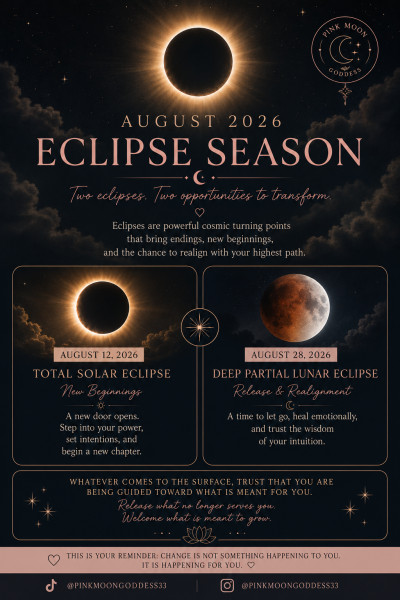
Here is what NASA has to say about the blood moon: "The next total lunar eclipse will occur on August 28, 2026, and will be visible from the UK, Europe, Africa, North and South America."
"The next total lunar eclipse will occur on August 28, 2026, and will be visible from the UK, Europe, Africa, North and South America." — NASA
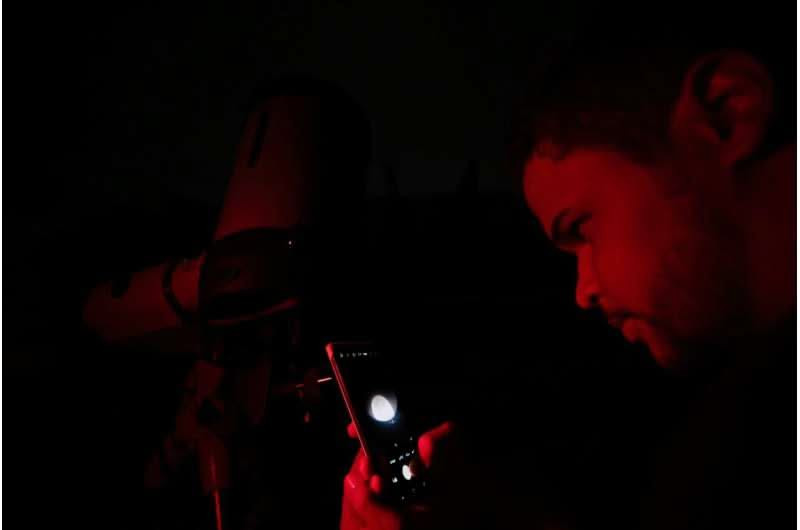
In recent times, the blood moon has also become a popular subject for photography and social media, with enthusiasts sharing stunning images and videos of the event. This digital age has made it easier than ever to capture and share the beauty of celestial events, inspiring a new generation of stargazers and astronomers.
What's Next for Lunar Eclipses?
The next blood moon total lunar eclipse is expected to occur on in recent times, but the exact date has not been confirmed. The duration and visibility of the eclipse will depend on various factors, including the alignment of the Earth, moon, and sun. NASA and other organizations will continue to monitor and provide updates on upcoming lunar eclipses, ensuring that enthusiasts and researchers alike can prepare for these awe-inspiring events.
With the blood moon total lunar eclipse today being a memorable celestial event, astronomers and enthusiasts are already looking forward to the next one, eagerly awaiting the next opportunity to witness the majesty of the cosmos.
Your questions, answered
When did the blood moon eclipse occur?
The total lunar eclipse took place on the evening of August 27 and the morning of August 28, 2026, depending on location.
What causes the moon to appear red during a lunar eclipse?
The Earth's atmosphere scatters shorter wavelengths of sunlight, allowing only red wavelengths to reach the moon, giving it a reddish hue.
How does this story make you feel?
Topics
 Up next · ScienceGhent University suspends Nathan Cofnas amid plagiarism controversy