Trump's Postal Voting Plan Faces Another Legal Setback in 2026
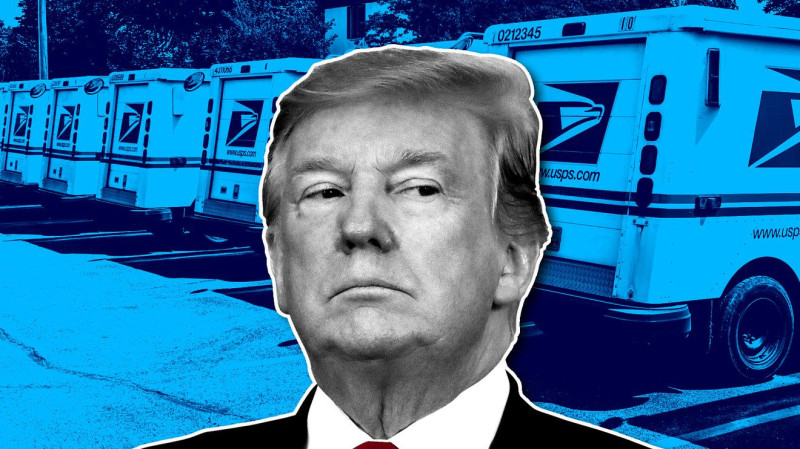
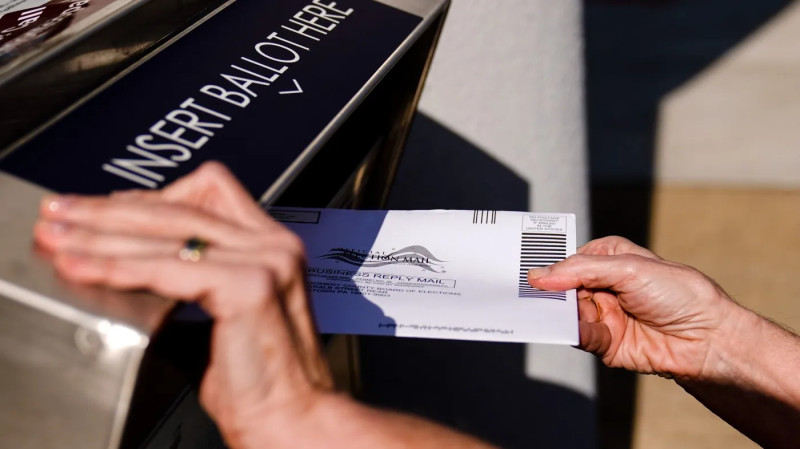
A federal judge in Boston has issued yet another injunction against the Trump administration's executive order, which sought to significantly alter and tighten rules for postal voting in recent times. The order, which aimed to involve the U.S. Postal Service (USPS) more directly in election operations, has faced a flurry of legal challenges. This latest ruling comes as the nation gears up for the upcoming midterm elections, making the issue of mail-in voting a pivotal point of contention.
Executive Order and Legal Battles
The controversy surrounding Trump's mail voting plan began when the administration requested the Supreme Court to halt lower court decisions that blocked the sweeping changes in nearly half the country. The executive order sought to create a federal voter list and directly involve the USPS in election operations, a move that was met with immediate legal opposition. The League of Women Voters, along with other voting rights groups, argued that the order would disenfranchise voters and violate existing settlement agreements.
Federal judge Indira Talwani, who issued the injunction, sided with the voting rights groups, ruling that the order violated a settlement in a 2020 case. This ruling effectively bars the USPS from carrying out the directives laid out in the executive order, which would have placed new nationwide limits on mail voting. The Trump administration has repeatedly urged the Supreme Court to intervene, but the court has yet to make a final decision on the matter.
Impact on the Upcoming Midterm Elections
The legal battles over postal voting have significant implications for the upcoming midterm elections. With the injunction in place, the USPS will not be able to enforce the new rules that were proposed in the executive order. This means that voters will continue to have the option to vote by mail without the additional restrictions that the Trump administration sought to impose. The League of Women Voters and other advocacy groups have welcomed the ruling, stating that it will help ensure that all voters have equal access to the ballot box.
The executive order's impact was intended to be far-reaching, with directives that would have affected mail voting processes in every state. The Trump administration's plan aimed to tighten the rules for mail-in voting, which critics argued would create unnecessary barriers for voters, particularly in areas with limited access to polling stations. The latest injunction underscores the ongoing debate over the role of postal voting in American elections and highlights the legal hurdles that the administration has faced in implementing its plans.
Critics of the executive order argue that the proposed changes would have disproportionately affected certain demographics, including elderly voters, disabled voters, and those living in rural areas. These groups often rely on mail-in voting as a convenient and accessible way to cast their ballots. The injunction ensures that these voters will not face additional obstacles when exercising their constitutional right to vote. The data is damning, and the Trump administration's efforts to restrict mail-in voting have been met with widespread opposition from legal experts, voting rights advocates, and ordinary citizens.
However, it is important to acknowledge the counter-argument: proponents of the executive order maintain that tighter rules are necessary to prevent voter fraud and ensure the integrity of the election process. The administration has repeatedly cited concerns over the security of mail-in voting, arguing that the current system is vulnerable to abuse. This perspective, while minority, adds a layer of complexity to the debate and underscores the need for a balanced approach to election reform.
A Delicate Balance: Ensuring Electoral Integrity and Accessibility
The ongoing legal battles over Trump's mail voting order highlight the delicate balance between ensuring electoral integrity and making voting accessible to all. The injunction represents a significant victory for voting rights advocates, but the debate over the role of the USPS in elections is far from over. The Supreme Court's eventual decision on the matter will have far-reaching implications for the future of postal voting in the United States.
Let's not kid ourselves, the upcoming midterm elections are expected to be a pivotal moment for postal voting as the nation continues to navigate the complexities of voting in the digital age. As the legal battles unfold, it is crucial for lawmakers, advocates, and citizens to engage in constructive dialogue to shape a voting system that is fair, secure, and accessible to all. Here's what nobody's asking: what measures can be implemented to ensure that the integrity of the voting process is maintained without disenfranchising voters? The solution lies in a balanced approach that addresses concerns over voter fraud while ensuring that all citizens have the opportunity to participate in the democratic process.
"The ongoing legal battles over postal voting highlight the importance of protecting the right to vote while ensuring the integrity of the electoral process. The injunction issued by the federal judge in Boston is a significant step in the right direction, but the debate over the role of the USPS in elections is far from over," said a spokesperson for the League of Women Voters. "We must continue to advocate for voting rights and work towards a system that is fair, secure, and accessible to all voters".
The debate over Trump's postal voting plan has ignited a national conversation about the future of mail-in voting in the United States. This incident alone has seen nearly 2,000 pages of court documents and repeated challenges to the Trump administration's executive order, but the real drama is just beginning. The upcoming midterm elections will serve as a crucial test for the postal voting system, and the decisions made in the coming months will shape the landscape of American democracy for years to come.
How does this story make you feel?
 Up next · PoliticsSteve Kornacki: Election Night Chaos in Milwaukee