United States Court of Appeals: The Battle Over Mail-in Ballots
On a sweltering July morning in 2026, the halls of the United States Court of Appeals in Washington, D.C., hum with a familiar tension. Today, the court is grappling with a contentious issue that has divided the nation: the future of mail-in voting. The courtroom is filled with lawyers prepared to debate the legality of recent executive orders aimed at tightening the rules for mail-in ballots, a decision that could reshape the upcoming midterm elections. The air is thick with anticipation, as the judges weigh the evidence and the implications of their ruling.
The Legal Landscape: Recent Rulings on Mail-in Voting
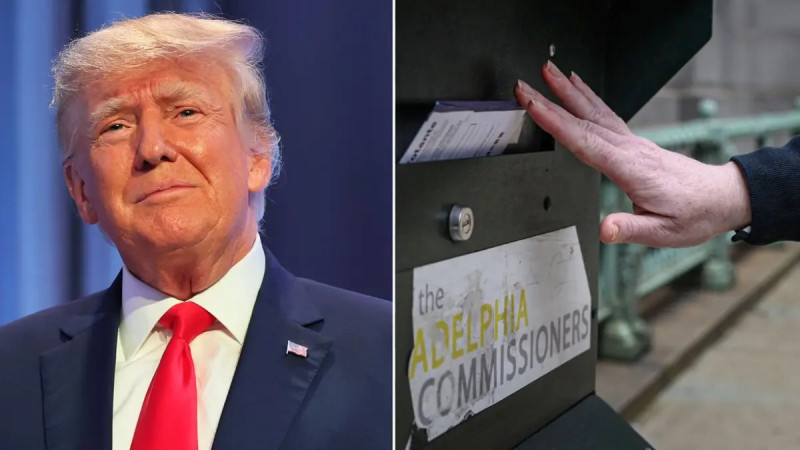
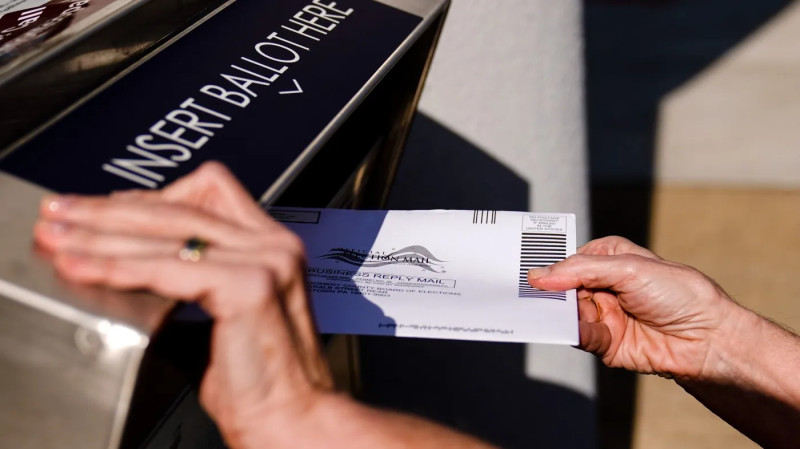
The debate over mail-in voting has reached a critical juncture, with the United States Courts of Appeals playing a pivotal role in shaping the outcome. In a series of recent rulings, the courts have been tasked with determining the legitimacy of President Donald Trump's executive orders aimed at restricting mail-in voting. These orders, which propose tightened regulations and increased federal oversight, have faced fierce resistance from state governments and voting rights advocates.
The legal battle began when a federal appeals court in D.C. cleared the way for the U.S. Postal Service (USPS) to move forward with a proposed rule requiring states to submit voter lists and use serialized barcodes on mail ballots for federal elections. This decision, which temporarily lifted a lower court's block, marked a significant shift in the ongoing legal saga.
However, the victory for the Trump administration was short-lived. On July 25, a federal appeals court in Boston ruled against the implementation of the executive order in 23 states, citing concerns over the potential disruption to the electoral process. The court's decision underscored the complex legal landscape surrounding mail-in voting, as judges grapple with the delicate balance between election integrity and voter accessibility.
Courts vs. The Trump Administration: A Prolonged Battle
The recent rulings are part of a broader, long-standing conflict between the federal government and state authorities over the control of elections. Earlier this year, a federal appeals court declined to lift a block on Trump's anti-mail voting order, dealing a significant blow to the administration's efforts to tighten voting regulations. The court's decision, which was made in response to a lawsuit filed by a coalition of state governments, highlighted the growing tensions between federal and state authorities on election-related matters.
Despite the setbacks, the Trump administration has shown no signs of backing down. In a recent statement, a spokesperson for the White House emphasized the administration's commitment to election integrity, stating, "We will continue to fight for measures that ensure the security and transparency of our electoral process. The courts may have ruled against us, but we believe the American people deserve better."
The legal battle over mail-in voting is far from over. With the midterm elections approaching, the courts of appeals face the daunting task of navigating the complex web of legal challenges and political pressures that surround this contentious issue. As the nation awaits their decision, the future of mail-in voting hangs in the balance, with far-reaching implications for American democracy.
The Role of the Postal Service: Navigating Legal and Operational Challenges
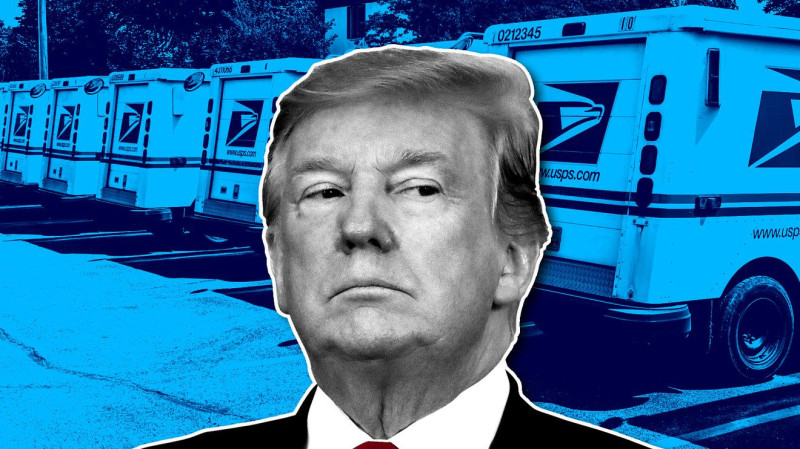
The United States Courts of Appeals have also been involved in determining the role of the USPS in the ongoing debate over mail-in voting. The Postal Service, a critical player in the administration of mail-in ballots, has found itself at the center of a legal and operational storm. The proposed changes to its mail-in ballot delivery procedures have sparked intense debate and legal challenges, as critics argue that the new rules could hinder the smooth administration of the upcoming midterm elections.
The DC Circuit Court of Appeals has temporarily allowed the USPS to move forward with its proposed election-mail rule, which requires states to provide voter lists and serialized ballot labels. This decision, while providing a temporary reprieve for the Postal Service, has also raised concerns about the potential impact on voter access and election integrity.
Susan Townsend, a voting rights advocate, expressed her concerns, stating, "The Postal Service is facing unprecedented pressures, and these new rules could further strain an already fragile system. We must ensure that every eligible voter has a fair and equal opportunity to cast their ballot, regardless of their circumstances."
As the court battles continue, the Postal Service faces the daunting task of balancing its legal obligations with its operational challenges. The outcome of these legal battles will have far-reaching implications for the future of mail-in voting and the integrity of the electoral process. The courts of appeals, as the ultimate arbiter in this complex legal landscape, will play a critical role in shaping the outcome of this contentious debate.
"The Postal Service is facing unprecedented pressures, and these new rules could further strain an already fragile system. We must ensure that every eligible voter has a fair and equal opportunity to cast their ballot, regardless of their circumstances." - Susan Townsend, Voting Rights Advocate.
In the dimly lit courtroom, the judges lean in, their eyes scanning the documents before them. The fate of mail-in voting rests in their hands, and the nation waits with bated breath. As the gavel falls, the courtroom erupts in a flurry of activity, and the lawyers rush to their clients, ready to share the news. The battle over mail-in voting continues, with the United States Courts of Appeals at the center of a storm that threatens to reshape American democracy.
How does this story make you feel?
 Up next · PoliticsJB Pritzker Faces Judicial Setback as Illinois Immigration Law Ruled Unconstitutional