The USS Abraham Lincoln: A Troubling Trend of Desperation at Sea
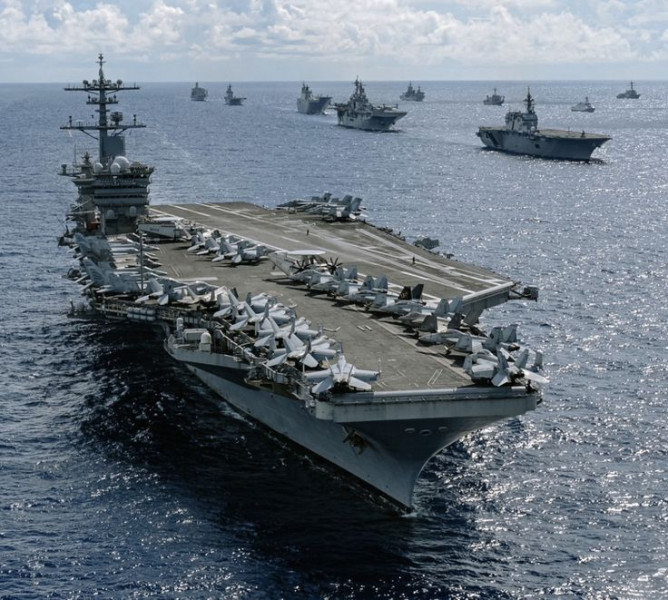
The USS Abraham Lincoln, a symbol of American naval might, is currently facing a critical issue that goes beyond its military prowess. Sailors on the aircraft carrier are attempting to jump overboard in a desperate bid to escape the grueling conditions of their extended deployment. This troubling trend highlights a severe mental health crisis among the crew, who have been at sea for nearly nine months without a break.
The Extent of the Problem: A Record-Breaking Deployment
USS Abraham Lincoln sailors have been deployed for an unprecedented 260 days, the longest deployment for an aircraft carrier in recent times. This prolonged period at sea has led to a significant deterioration in the mental well-being of the crew, with multiple sailors attempting to go overboard in a desperate act of defiance and despair. The record-breaking deployment, which began in November, has pushed the limits of human endurance, leading to a mental health crisis that the U.S. Navy is struggling to address.
A Mental Health Crisis at Sea
The extended deployment of the USS Abraham Lincoln has sparked concerns about a brewing mental health crisis among the crew, with families and lawmakers expressing serious worries. The U.S. Navy has denied claims of an increase in attempted suicides, but the attempt of multiple sailors to go overboard is a stark indication that there are serious issues that need to be addressed. This situation is further complicated by the fact that the crew has spent 250 consecutive days without making land, exacerbating the psychological strain.
The mental health crisis on board the USS Abraham Lincoln is not just a concern for the crew and their families; it has also captured the attention of lawmakers who are calling for immediate action to address the situation. The Navy has been tight-lipped about the specifics of the incident, but the families of the sailors have been vocal about their concerns, highlighting the dire need for intervention.
What's Next: Addressing the Crisis and Moving Forward
The prolonged deployment of the USS Abraham Lincoln has led to a mental health crisis that demands immediate attention. While the Navy has denied an increase in attempted suicides, the multiple attempts by sailors to jump overboard are a clear indication that the situation is dire. As families and lawmakers continue to express their concerns, it is crucial for the Navy to take proactive measures to address this crisis and ensure the well-being of its sailors. The current situation is a stark reminder of the human cost of extended deployments and the need for comprehensive mental health support for those serving on the frontlines.
One potential counter-argument is that the Navy has been dealing with similar situations in the past, often finding ways to mitigate the psychological strain through rotational deployment schedules and regular breaks. However, the current situation on the USS Abraham Lincoln suggests that these measures may not be sufficient, and more robust solutions are needed. The Navy must prioritize the mental health of its sailors and take immediate action to address the crisis on board the USS Abraham Lincoln.
Let's not kid ourselves, the data is damning. The mental health crisis aboard the USS Abraham Lincoln is a clear indicator of the Navy's struggles to address the psychological strain of extended deployments. As families and lawmakers demand answers, the Navy must take decisive action to support its sailors and prevent further escalation of this crisis. Here's what nobody's asking: how many more sailors will have to reach the breaking point before the Navy takes meaningful action?
"The situation on the USS Abraham Lincoln is a stark reminder that our sailors are more than just numbers on a deployment roster. They are individuals with families, hopes, and dreams, and their mental well-being should be a top priority for the Navy." - Anonymous Lawmaker.
How does this story make you feel?
 Up next · HealthKelly Ripa's Unexpected Oral Surgery: A Surprise Hiatus and Road to Recovery