Desperate Times on the USS Abraham Lincoln: Sailors Face Deteriorating Conditions and Mental Health Struggles
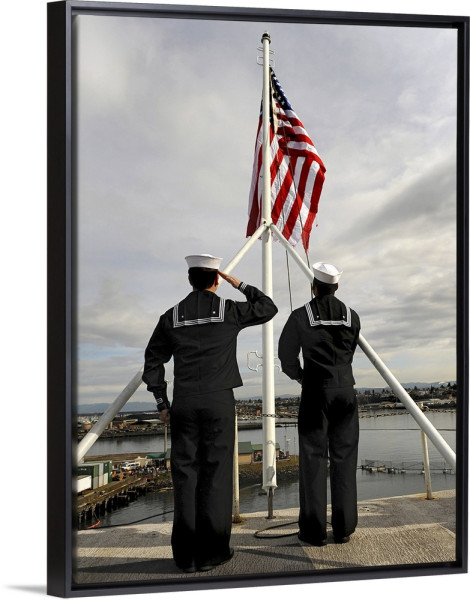
Imagine the vast expanse of the sea stretching out in every direction, the relentless hum of the USS Abraham Lincoln's engines, and the growing unease among its crew. Thousands of sailors on the USS Abraham Lincoln have been grappling with severe conditions aboard the USS Abraham Lincoln including food shortages and broken plumbing — a stark reminder of the harsh realities of extended deployments. The situation has reached a critical point, with reports of sailors considering drastic measures to escape their plight.
The USS Abraham Lincoln: A Ship in Distress
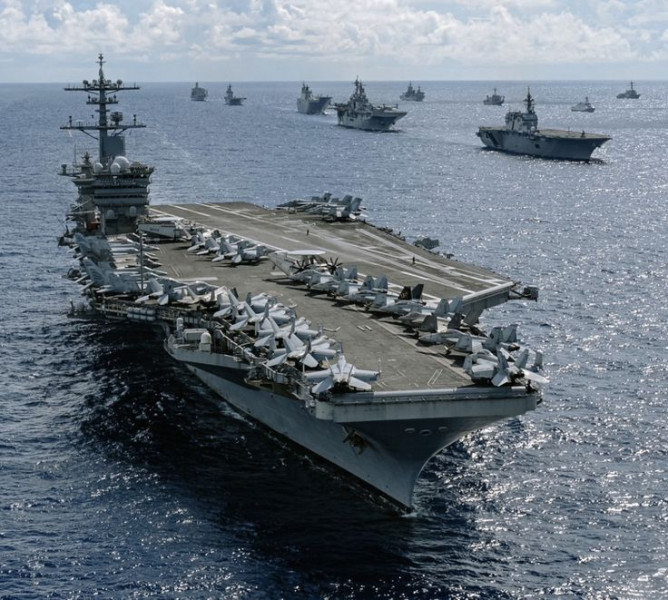
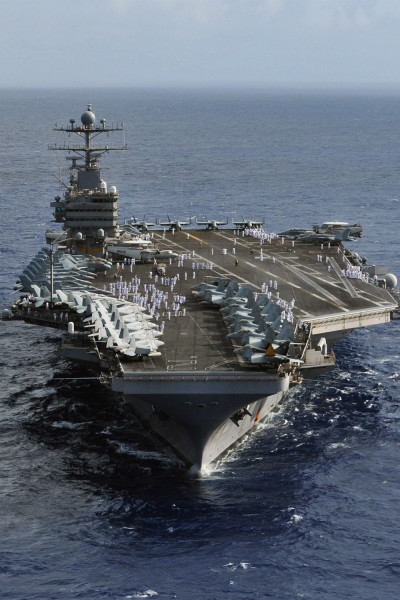
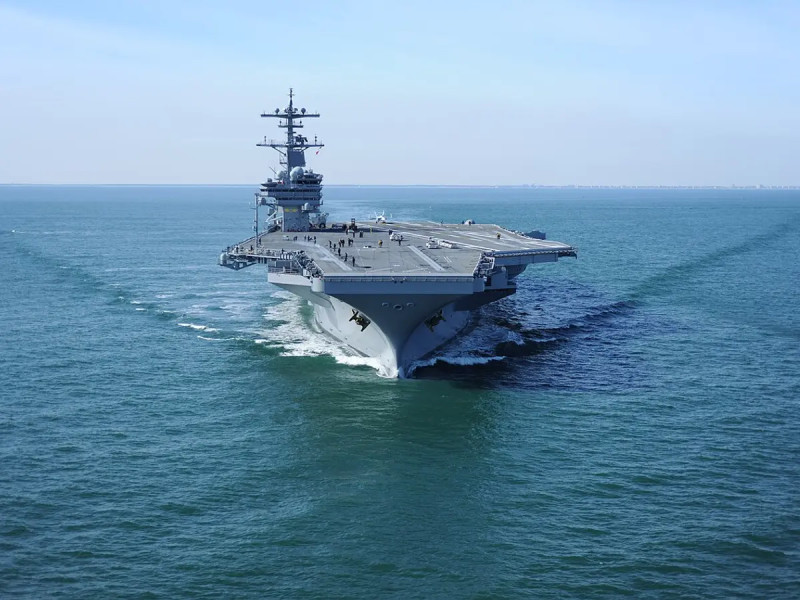
The USS Abraham Lincoln, a Navy supercarrier, has been at sea for an unprecedented 200 days, a deployment that has taken a toll on the mental and physical health of its crew. The extended stay at sea has been marked by dire conditions that have left sailors feeling isolated, exhausted, and on the brink. In a shocking incident, a sailor went overboard earlier this month, adding to the mounting pressures faced by the crew.
Lawmakers have taken notice, with Democrats demanding answers from the Pentagon about the conditions and the Navy's ability to support its service members during prolonged deployments. The top Democrat on the Senate Armed Services Committee sent a letter to Defense Secretary Pete Hegseth and acting Navy Secretary Hung Cao, raising questions about the Navy's operational readiness and the well-being of its sailors. The letter follows a string of reports highlighting the deteriorating conditions, including food shortages, plumbing issues, and mental health struggles.
Mental Health Crisis on the High Seas
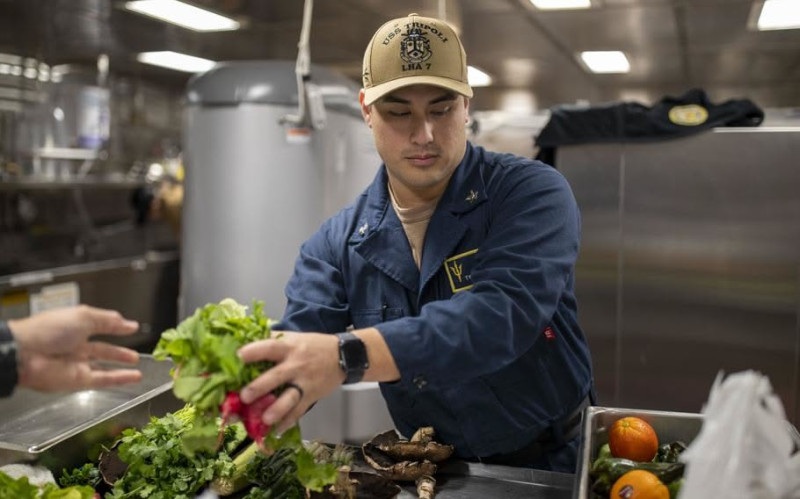
In the fluorescent glare of the briefing room, the situation on the USS Abraham Lincoln has become a pressing concern. Reports from the ship have painted a grim picture, with sailors facing moldy showers and no soap, low supplies, and severe fatigue. The prolonged deployment has exacerbated mental health issues, with sailors feeling increasingly isolated and desperate. — The situation has become so dire that some sailors have reportedly tried to jump overboard to escape the conditions.
While the Navy has dismissed some of these reports, the growing chorus of discontent from sailors and their families suggests that the situation is far from being resolved. The conditions onboard the USS Abraham Lincoln are not just a matter of comfort; they are a matter of life and death. Military families have expressed outrage at the conditions and the lack of support from the Navy. The situation has become so dire that some sailors have reportedly tried to jump overboard to escape the conditions.
In the midst of this crisis, the question that remains is: How much longer can the USS Abraham Lincoln's crew endure these conditions? With lawmakers and families demanding answers, the Navy faces a critical juncture in addressing the well-being of its sailors.
The Navy's Response and the Path Forward
The Navy has been under scrutiny for its handling of the USS Abraham Lincoln's deployment and the conditions faced by its crew. Defense Secretary Pete Hegseth has dismissed reports of deteriorating conditions, but the mounting evidence suggests otherwise. Lawmakers have called for an investigation into the conditions on the ship, citing concerns about the Navy's ability to support its sailors during extended deployments. — The situation has become a pressing issue for the Navy, which faces calls for an investigation into the conditions on the ship.
As the USS Abraham Lincoln continues its deployment in the Middle East, the spotlight remains on the Navy and its handling of the crisis. The conditions onboard the ship are a stark reminder of the challenges faced by sailors during extended deployments — and the urgent need for the Navy to address these issues before it's too late.
The USS Abraham Lincoln, once a symbol of American naval power, now stands as a testament to the human cost of prolonged deployments. With lawmakers and families demanding answers, the Navy must take decisive action to support its sailors and ensure that such conditions are never repeated.
While the Navy has dismissed some of these reports, the growing chorus of discontent from sailors and their families suggests that the situation is far from being resolved.
With lawmakers and families demanding answers, the Navy faces a critical juncture in addressing the well-being of its sailors.
How does this story make you feel?
 Up next · PoliticsLuigi Mangione Pleads Guilty: Latest Revelations in Federal Case