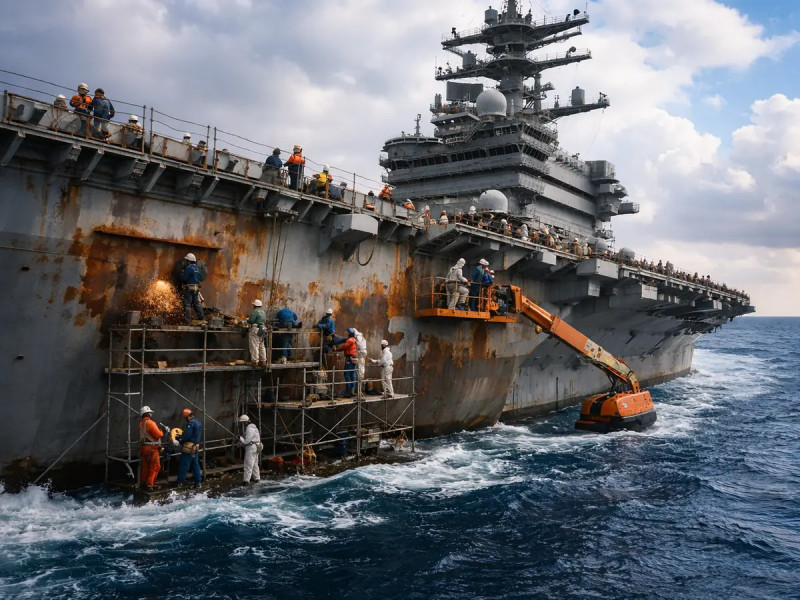
The USS Abraham Lincoln’s Enduring Odyssey: A Test of Endurance and Morale
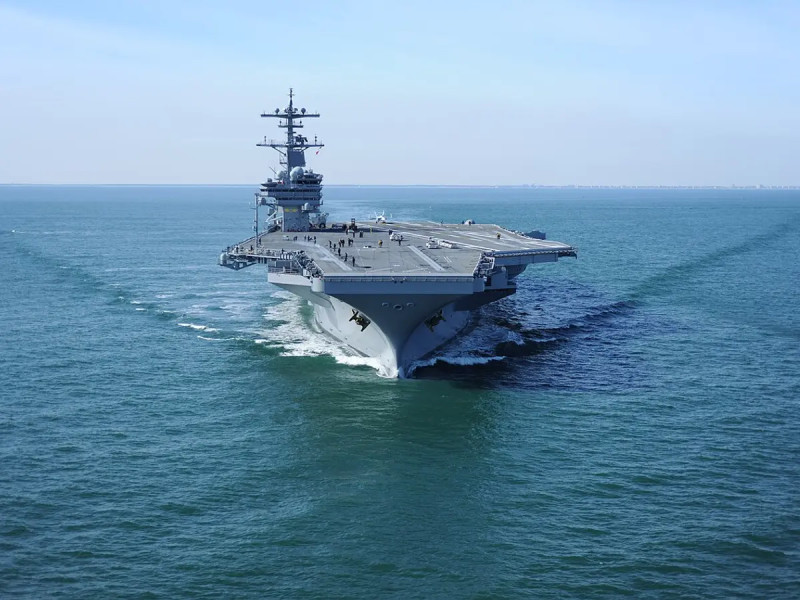
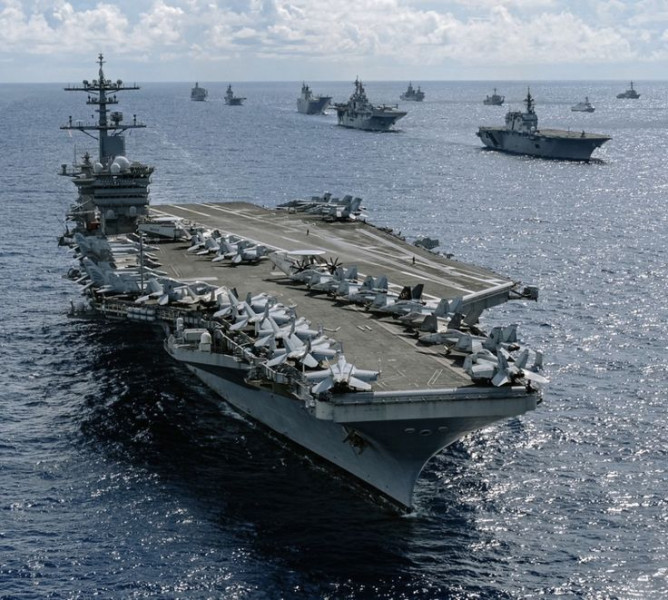
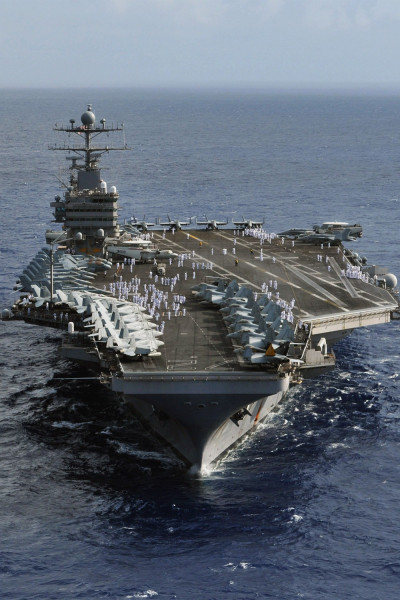
In the vast, unforgiving expanse of the Arabian Sea, the USS Abraham Lincoln, a titan of the United States Navy, has been on an operational deployment that stretches the limits of human endurance and naval tradition. This nuclear-powered supercarrier, a symbol of American maritime power, has been at sea for what many sailors describe as an indefinitely extended tour of duty, one that has tested the mettle of both ship and crew. In recent times, the carrier and its 5,000-person crew have faced a series of unprecedented challenges, from crew morale to mental health crises, as they continue to support military operations deep in the heart of a volatile region.
The Unprecedented Duration of the USS Abraham Lincoln’s Deployment
The USS Abraham Lincoln, the flagship of Carrier Strike Group 3 (CSG-3), began its deployment in February 2026, embarking on a mission that has since been extended twice, pushing the carrier and its crew to unprecedented lengths. The ship has been at sea for over 237 days, with only one port visit in the nine months of its deployment, operating continuously in a high-risk combat zone. The latest reports indicate that the Abraham Lincoln has spent a staggering 250 days at sea without making a single landfall, a record that highlights the extraordinary demands placed on the vessel and its crew.
This deployment is part of Operation Epic Fury, a mission that also involves a blockade of Iran, a contentious and complex operation that has kept the Navy’s supercarrier in the thick of Middle Eastern tensions. The Abraham Lincoln’s endurance has set a new milestone, marking more than 200 consecutive days at sea, a period that far exceeds typical deployment durations.
Crew Morale and Mental Health: The Hidden Battle
While the USS Abraham Lincoln’s operational deployment is a testament to the Navy’s capability, the human toll has been significant. Multiple sailors have reportedly attempted to go overboard amidst the prolonged deployment, a chilling indicator of the severe mental health crisis aboard the carrier. The crew, comprising about 5,000 personnel, has been subjected to a relentless barrage of strain and stress. Food shortages, moldy showers, and a myriad of other logistical issues have exacerbated the already dire situation, contributing to a rapid deterioration of morale among the crew.
Military families, aware of the harsh realities faced by their loved ones, have increasingly voiced their concerns to Navy leaders. Their worries center on the continuous combat operations, which have lasted 40 days in the U.S. 5th Fleet area of operations, and the 250 days of continuous service without adequate respite.
“This deployment is unlike anything we’ve seen before. The crew is being pushed to their breaking point, and it’s a miracle that the ship is still operational,” said a military analyst, speaking on condition of anonymity. “The strain on the sailors is palpable, and it’s only a matter of time before we see more severe consequences if this situation isn’t addressed”.
The Strategic Significance and Future of the Abraham Lincoln
The USS Abraham Lincoln’s extended deployment signifies the U.S. Navy’s strategic commitment to the region, but it also underscores the operational challenges faced by modern navies in maintaining such prolonged missions. The carrier’s role in the blockade and support of military operations against Iran highlights the critical importance of its presence in the Middle East, a region fraught with geopolitical complexities and historical tensions.
However, the Navy must balance this strategic necessity with the well-being of its sailors. The record-setting deployment, while a testament to the carrier’s capability, also serves as a stark reminder of the human cost involved. As the USS Abraham Lincoln continues its mission, the Navy will need to address the mental and physical health of its crew to ensure that the carrier remains a formidable force in the region.
The USS Abraham Lincoln’s deployment, like the odyssey of ancient mariners, is a tale of endurance and determination, but also one that reveals the hidden battles fought by the sailors. As the carrier remains at sea, the question lingers: how long can a ship, and its sailors, endure the relentless demands of a deployment that seems to have no end in sight? The answer may lie in the evolving strategies of the U.S. Navy, which will need to find a balance between operational necessity and the well-being of its personnel.
How does this story make you feel?
 Up next · WorldWarner Robins High School Shooting Leaves Two Students Injured, Suspect in Custody.