Devastation Unleashed: 7.7-Magnitude Earthquake Rocks Indonesia
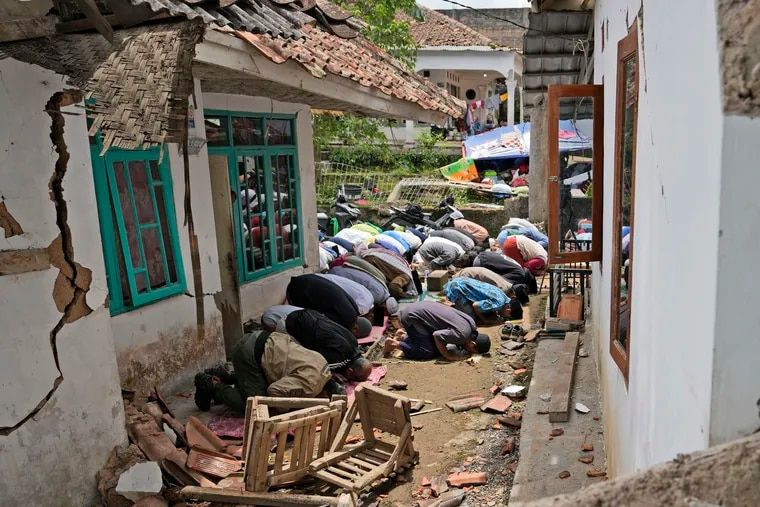
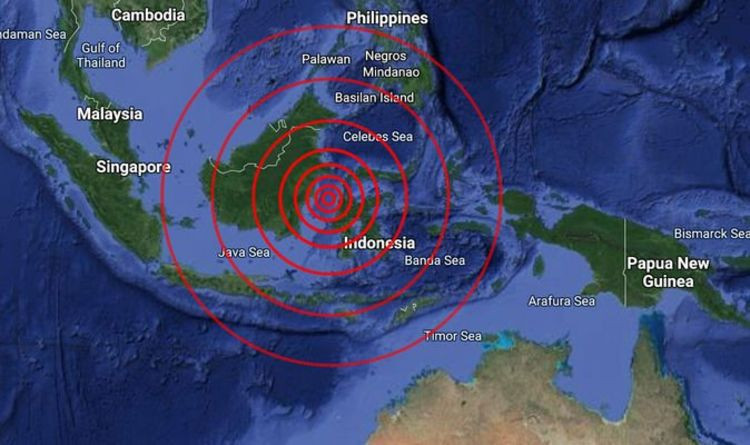
The earth shook violently in eastern Indonesia as a 7.7-magnitude earthquake struck, causing widespread devastation and claiming at least 20 lives. The powerful quake, one of the largest in the region in decades, has left a trail of destruction and panic, with dozens of aftershocks adding to the chaos. The epicenter was off the coast of the Indonesian island of Flores, an area known for its susceptibility to seismic activity. The tremor, which occurred early morning, has led to extensive damage to buildings and homes, forcing residents to flee their houses in a desperate bid for safety. The tsunami waves, though less than a meter high, added to the terror, causing panic in the coastal areas.
The Impact: Widespread Destruction and Fatalities
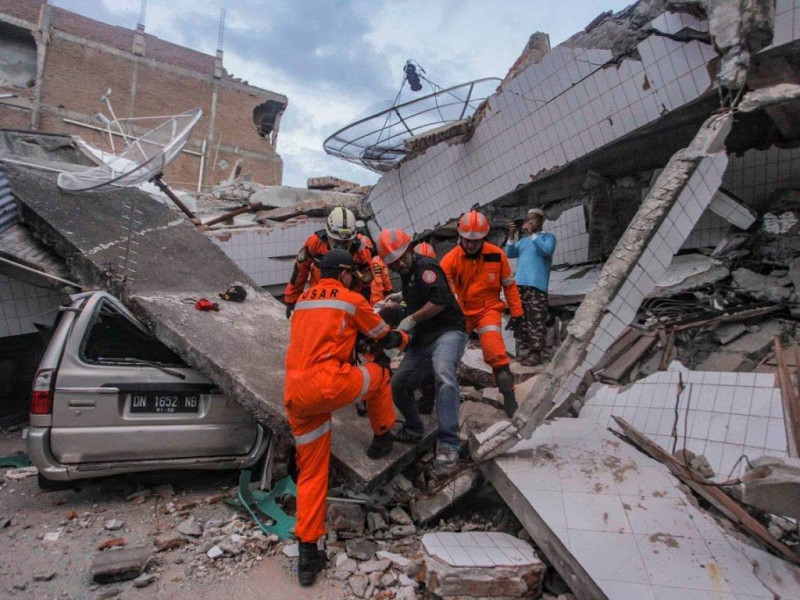
Friday's quake was a grim reminder of Indonesia's vulnerability to seismic events. The earthquake caused widespread destruction, with buildings and homes in the eastern region collapsing under the force of the tremor. The death toll has risen to at least 20, with many more injured and trapped under the rubble. Rescue efforts are underway, but the challenge is exacerbated by the region's remote location and the sheer scale of the damage. The aftershocks, numbering in the dozens, have complicated rescue operations, as residents fear that more structures could collapse at any moment. The Indonesian government has mobilized emergency services to assist in the rescue and recovery efforts, but the scope of the disaster is daunting.
Geological Context: A Region Prone to Earthquakes
The earthquake occurred in the Flores Sea, off the coast of Indonesia, an area that sits along the Ring of Fire, a region known for its high seismic activity. The Ring of Fire is a horseshoe-shaped area in the Pacific Ocean where a large number of earthquakes and volcanic eruptions occur. This makes Indonesia one of the most at-risk countries for earthquakes and tsunamis. The Flores Sea is particularly prone to seismic activity due to the complex tectonic interactions between the Eurasian, Australian, and Pacific plates. This geological instability means that earthquakes of this magnitude, while devastating, are not uncommon in the region.
Relief and Recovery: The Road Ahead
As the nation grapples with the aftermath of the earthquake, efforts are being made to assess the full extent of the damage and provide relief to the affected areas. The Indonesian government, along with international aid organizations, is working tirelessly to support the rescue and recovery efforts. The focus is on ensuring that the injured receive medical attention, that those displaced by the earthquake have access to shelter, and that the infrastructure is rebuilt as quickly as possible. The challenge ahead is immense, but the resilience of the Indonesian people, coupled with the support of the global community, will be crucial in rebuilding the affected areas.
The region's vulnerability to seismic activity and tsunami is a stark reminder of the need for robust disaster preparedness and response mechanisms.
With the aftermath of the 7.7-magnitude earthquake still unfolding, the focus remains on the people of Indonesia who have been displaced and injured by the disaster. The recovery process will be long and challenging, but the determination of the Indonesian people and the support of the international community will be vital in rebuilding lives and infrastructure in the wake of this devastating event. The next few days will be crucial as rescue efforts continue and the full extent of the damage becomes clearer. The world watches with hope for the brave responders and the resilience of the Indonesian people in the face of this natural catastrophe.
How does this story make you feel?
 Up next · WorldStaggering Gold Stash Unearthed by Belgian Construction Workers