Indonesia Struck by Devastating 7.7-Magnitude Earthquake
Indonesia, a nation familiar with seismic activity, is once again in the grip of a major natural disaster. This time, a 7.7-magnitude earthquake has dealt a heavy blow to the country. The quake, which struck offshore, triggered a tsunami warning and caused significant damage, loss of life and widespread panic.
Quake and Tsunami Warnings
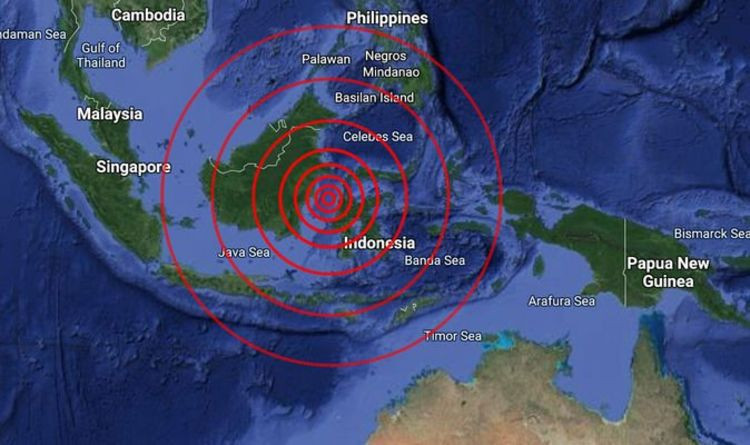
In recent times, Indonesia has been grappling with seismic activities, but the latest earthquake in Indonesia has been particularly devastating. The quake struck off the coast of the island of Flores, prompting thousands of residents to flee their homes in fear of a tsunami. The authorities swiftly issued a tsunami warning, which, fortunately, did not result in widespread devastation. However, the tremors, coupled with the fear of a tsunami, caused significant damage and loss of life in the region.
Assessing the Damage
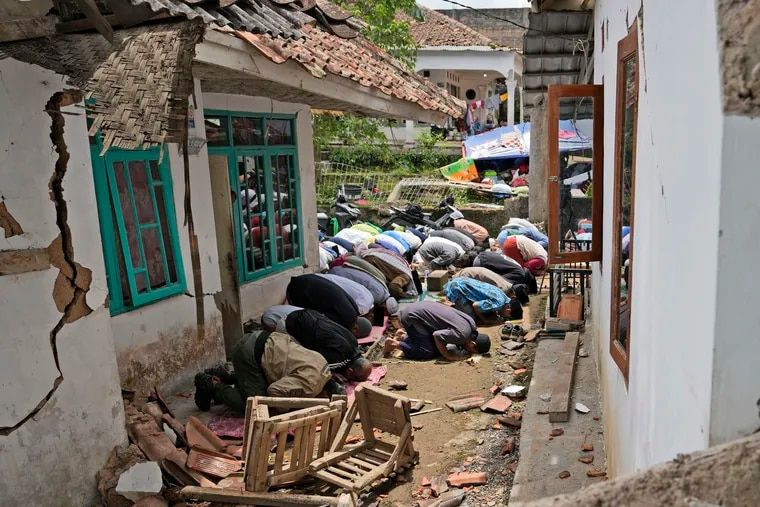
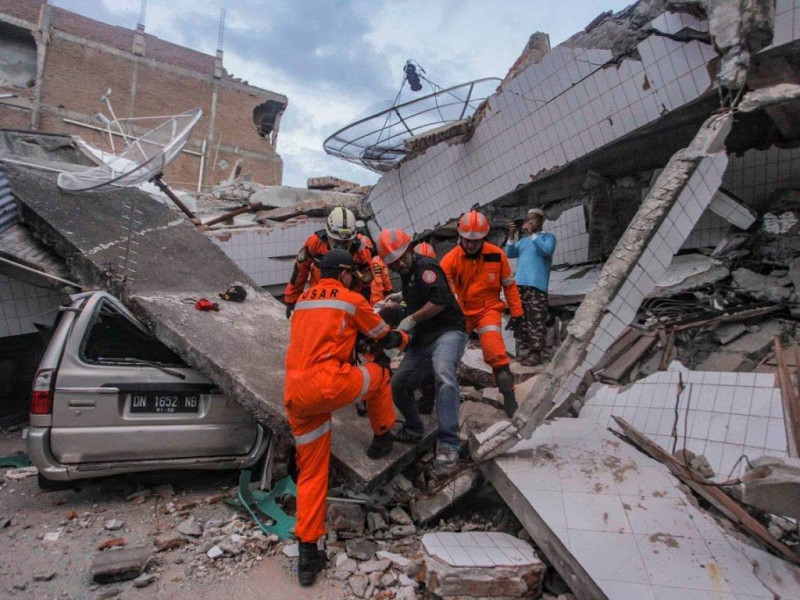
According to the latest reports, at least 47 people have lost their lives, while a number of people have been injured. The earthquake in Indonesia caused extensive damage to buildings, leading to the collapse of several structures. The quake also forced villagers to evacuate, resulting in significant displacement. However, the authorities' quick response in evacuating residents and moving hospital patients to safety has mitigated some of the potential damage.
Historical Parallels and Preparedness
For those familiar with the 2018 earthquake and tsunami that devastated central Indonesia, this recent event may sound familiar. In 2018, a magnitude 7.5 earthquake and tsunami struck the city of Palu on Sulawesi island, killing more than 4,000 people. This event serves as a grim reminder of Indonesia's vulnerability to seismic activity and the devastating consequences that can follow. The recent earthquake and tsunami warning have once again highlighted the need for robust disaster preparedness and response mechanisms in the country. But let's end on a hopeful note. For all the chaos and destruction, the fact that tsunami waves were under 1 meter and that authorities were able to evacuate residents and move patients to safety is a telling sign of how far Indonesia's disaster preparedness has come in recent years — and how it's still got a long way to go.
How does this story make you feel?
 Up next · WorldIndianapolis Braces for Historic Flooding as Rain Continues to Pound