Indonesia Earthquake: Massive 7.7-Magnitude Temblor Strikes, 38 Dead
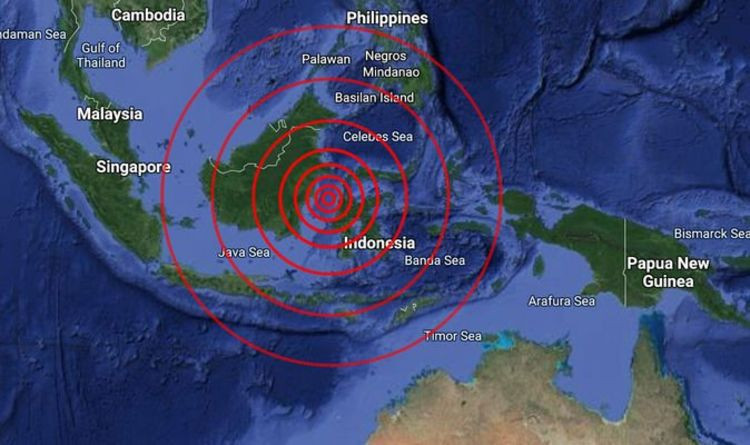
The ground beneath Indonesia's Flores island trembled violently, swallowing lives and causing widespread destruction. The epicenter of the 7.7-magnitude earthquake struck off the northern coast, 68 km north-west of Ende. The quake caused severe damage, with at least 38 confirmed fatalities and dozens injured.
The Earthquake and Tsunami Warning
At an approximate depth of 10 km, the tremor resulted in a 7.7-magnitude quake beneath the Flores Sea. The quake was felt as far away as Bali, a popular tourist destination separated from Flores by the Lombok Strait. Authorities swiftly issued a tsunami warning, triggering immediate evacuations along the coast.
The warning proved to be a crucial alert system, as the tsunami never materialized. The early warning system, an integral part of Indonesia’s disaster management infrastructure, played a pivotal role in preventing further casualties. This system, established in response to the devastating 2004 Indian Ocean tsunami, continues to be a lifesaver.
Impact on the Community and Infrastructure
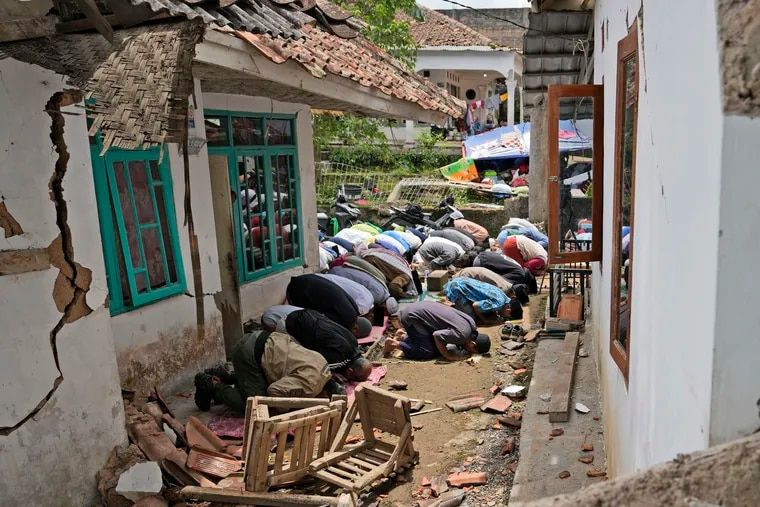
Rescue teams are working tirelessly to search for survivors amidst the rubble, where the earthquake has rendered many homes and buildings uninhabitable. Power outages and water supply disruptions have added to the chaos, as residents grapple with the aftermath.
The earthquake's impact was most severe in the port town of Ende, where buildings, including a hospital, collapsed, further complicating rescue efforts.
The quake struck early in the morning, a time when many residents were still indoors, leaving little room for escape. The sudden force of the tremor left many trapped under the wreckage, while others were forced to flee immediately.
The Indonesian government and international aid organizations are mobilizing resources to assist the affected areas. The Red Cross and other NGOs have already begun deploying teams to provide relief, including food, water, and medical supplies. The response highlights the international community's readiness to support disaster-stricken regions.
The 7.7-magnitude earthquake was followed by at least 10 aftershocks, with the largest measuring 6.2, causing further panic and additional damage.
“The earthquake's epicenter was in a region known for seismic activity, but the intensity of this particular quake was unprecedented in recent times,” notes Dr. Maria Santos, a seismologist at the University of Indonesia.
“The epicenter was in a region known for seismic activity, but the intensity of this particular quake was unprecedented in recent times,” notes Dr. Maria Santos, a seismologist at the University of Indonesia. “The quake's shallow depth, combined with the high magnitude, resulted in significant ground shaking and destruction".
“The quake's shallow depth, combined with the high magnitude, resulted in significant ground shaking and destruction,” she added. “The region's infrastructure, while improved since the 2004 tsunami, is still vulnerable to such powerful tremors. We must continue to strengthen our building codes and emergency preparedness to mitigate future risks.”
History of Earthquakes in Indonesia
Indonesia's location on the Pacific Ring of Fire makes it one of the most seismically active regions on Earth. The country has experienced numerous earthquakes in recent years, each leaving a mark on the country's landscape and psyche. The 2018 Sulawesi earthquake and tsunami, which claimed over 4,000 lives, serves as a chilling reminder of the region's vulnerability.
In recent years, Indonesia has also faced significant challenges due to volcanic eruptions, including the devastating 2018 Anak Krakatoa eruption, which triggered a deadly tsunami. These events, combined with the recent earthquake, underscore the need for robust disaster management and preparedness.
What does this mean for the future of displacement and rebuilding in the region? As rescue efforts continue, the question of long-term recovery and the resilience of the local communities remains at the forefront. This tragedy serves as a stark reminder of the power of nature and the importance of preparedness.
What does this mean for the future of displacement and rebuilding in the region? As rescue efforts continue, the question of long-term recovery and the resilience of the local communities remains at the forefront. This tragedy serves as a stark reminder of the power of nature and the importance of preparedness, echoing the resilience shown after the 2004 tsunami that devastated neighboring regions.
Gone are the days of complacency, as the world watches the unfolding of another natural disaster in Indonesia. Think again about the safety protocols, the resilience of the community, and the importance of early warning systems in the wake of such events. Nobody saw this coming, but Indonesia, a nation that knows the wrath of nature all too well, stands ready to rebuild once again.
How does this story make you feel?
 Up next · WorldVirginia State University Shooting: Campus on Edge