Abdul El-Sayed Faces Uphill Battle in Michigan Senate Race
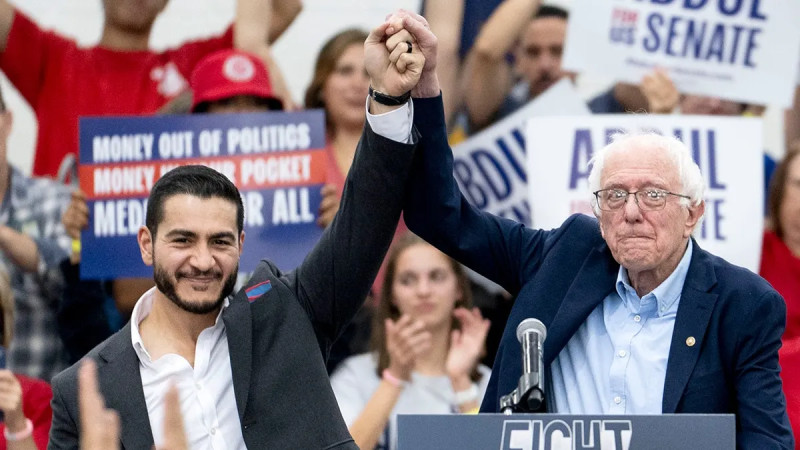
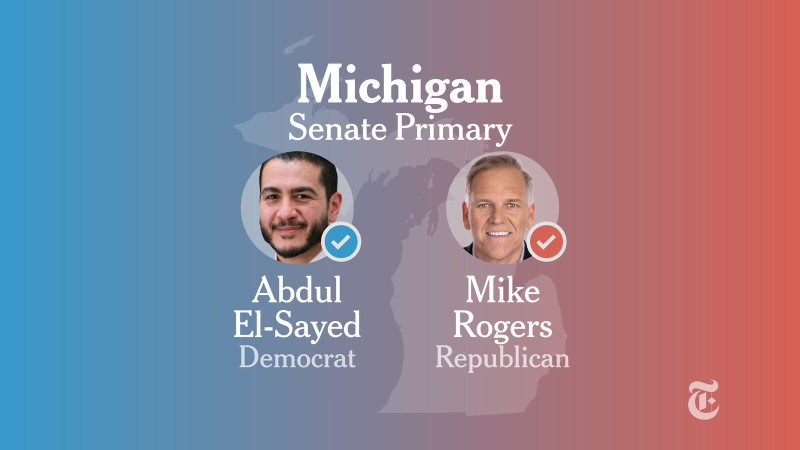
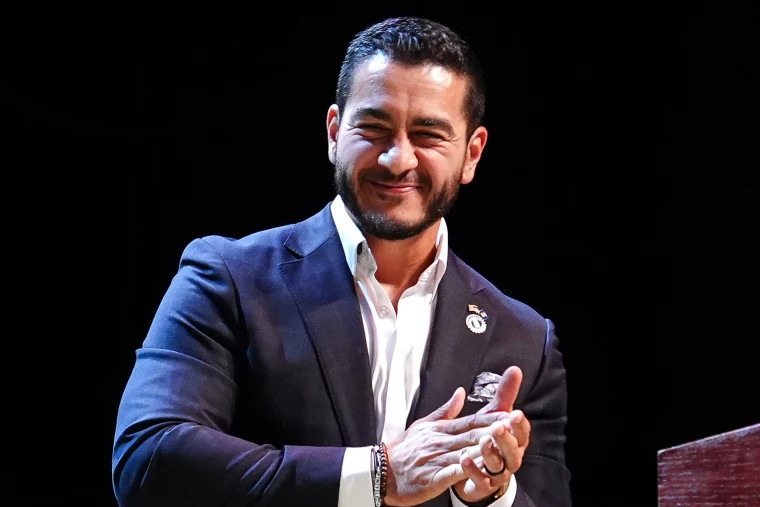
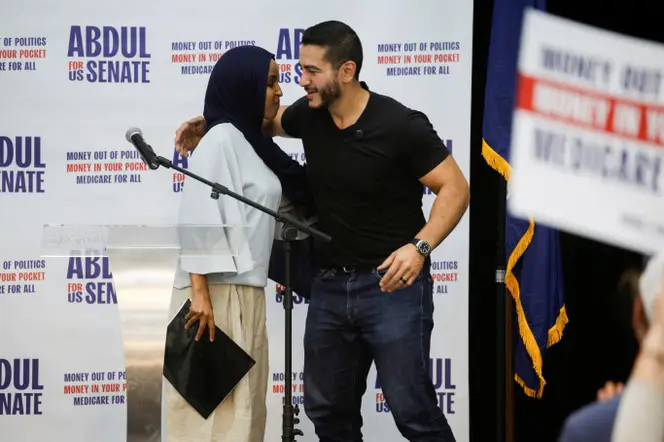
The political landscape in Michigan is ablaze with a contentious Senate race, pitting Mike Rogers, a conservative Republican, against Dr. Abdul El-Sayed, a progressive Democrat. The latest polls indicate a close but challenging path for El-Sayed, whose campaign is navigating the complexities of partisan divisions and voter sentiments.
Divided Voters and a Tight Poll
The Michigan Senate race between Abdul El-Sayed and Mike Rogers has emerged as a contentious affair, with recent polls showing a narrow lead for Rogers. In a Fox News poll, Rogers leads El-Sayed 51 percent to 47 percent, demonstrating the tight race and the significant challenges both candidates face. The poll also highlights the divisive nature of the Democratic primary, which has left El-Sayed with the task of unifying his party.
The Primaries: A Contentious Democratic Fight
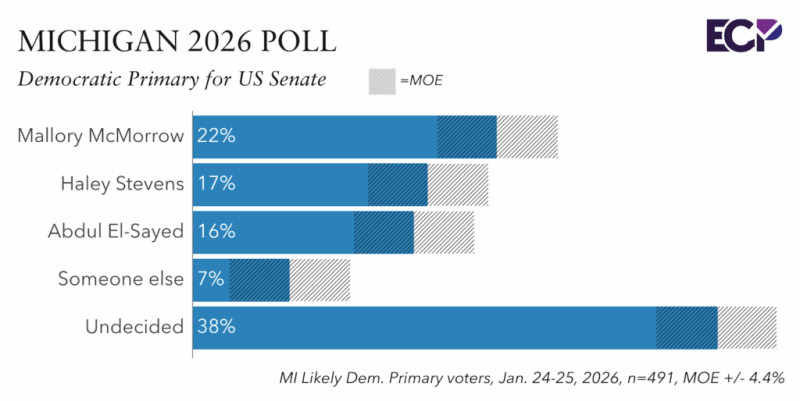
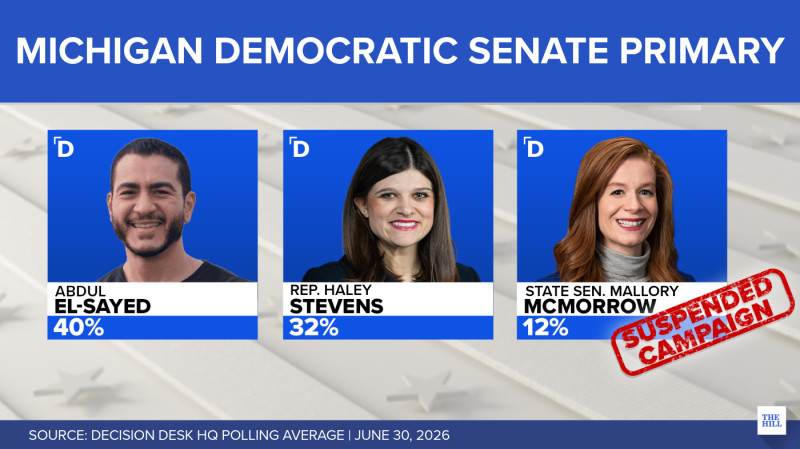
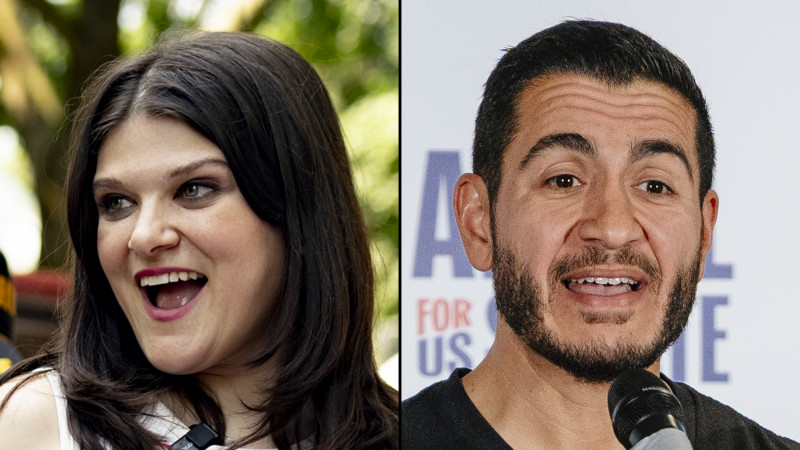
The Democratic primary in Michigan has been particularly heated, with Abdul El-Sayed emerging as a strong contender against Rep. Haley Stevens. According to an Emerson College Polling/WLNS/WOODTV survey, El-Sayed leads Stevens 54% to 39%, with 6% undecided. This poll underscores the significant age divide among Democratic voters, where younger voters tend to favor El-Sayed, while older voters are more split.
El-Sayed's strong lead in the primary is further supported by the RealClearPolitics Polling Average, which shows him maintaining an 8-point lead over Stevens. This victory sets the stage for a closely watched general election against Republican nominee Mike Rogers. As the Democratic nominee, El-Sayed enters the general election with a clear mandate from his party, but the challenge of uniting a divided electorate remains.
Republican Dominance and Democratic Engagement
The Republican candidate, Mike Rogers, is currently enjoying a comfortable lead in the polls. Rogers, a former congressman, is a well-known figure in Michigan politics, which has likely contributed to his current polling advantage. Despite Rogers' lead, Democrats show higher enthusiasm and engagement, which could potentially tip the scales in the coming months.
Rogers' lead is attributed to his strong conservative base and his ability to appeal to a broad spectrum of voters. However, Rogers must navigate his own set of challenges, particularly in consolidating support from various faction within the Republican Party.
The potential for a shift in voter sentiment is underscored by the fact that Democrats have shown higher levels of engagement and enthusiasm. If El-Sayed can capitalize on this momentum and continue to rally his base, the race could become even more competitive in the coming weeks.
One of the key factors in the upcoming election is the turnout, particularly among younger and progressive voters. El-Sayed, with his progressive platform, has the potential to mobilize these voters, which could significantly impact the final outcome. However, Rogers' established political presence and conservative support base pose a formidable challenge.
The Michigan Senate race between Abdul El-Sayed and Mike Rogers reflects the broader political tensions in the state. The outcome will have significant implications for the political dynamics in Michigan and beyond. As the race intensifies, both candidates are working tirelessly to rally their supporters and sway undecided voters. As Mike Rogers said, "The battle for Michigan is far from over. We have a clear path to victory, but it will take the hard work and dedication of every supporter, and the next few weeks will be crucial in shaping the future of our great state."
How does this story make you feel?
 Up next · PoliticsMaggie Haberman exposes Natalie Harp’s role in Trump administration