The 10 Year Treasury Yield: Geopolitical Turmoil and Market Fluctuations
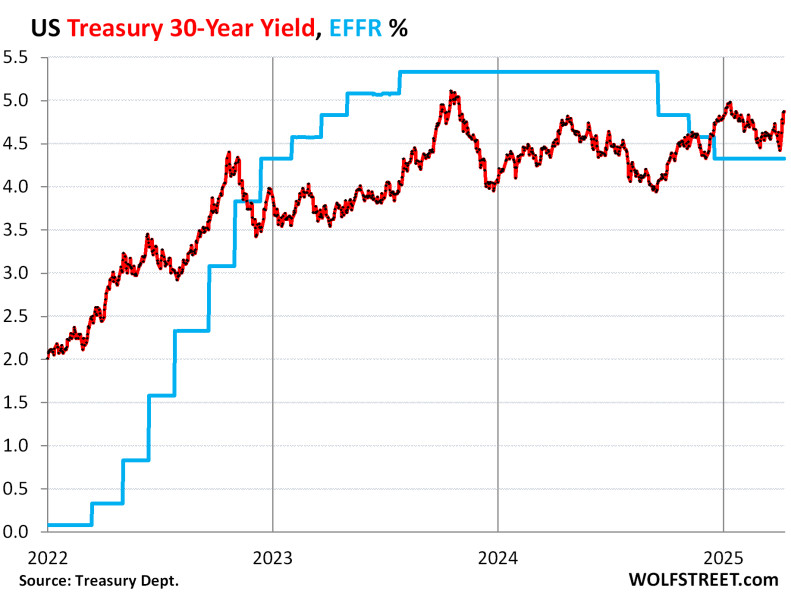
When tensions flare in the Middle East, the financial world takes notice. 10 Year Treasury Yields are no exception. Recently, geopolitical tensions have sent shockwaves through global markets, causing significant fluctuations in treasury yields. The U.S. 30-year Treasury bond fell more than 2 basis points to trade at 5.282% recently, after hitting a new 19-year high earlier.
Treasury Yields Surge Amid Geopolitical Uncertainty: What's Driving the Recent Spike?
Geopolitical uncertainty in the Middle East has caused 10 year treasury yields to surge, reflecting investor concerns over potential economic disruptions. The U.S. 30-year Treasury yields rose to their highest level since 2007, as stalled talks to end the U.S.-Iran conflict and worries of an imminent escalation sent oil prices above $90 a barrel.
The latest fluctuations in 10 year treasury yields underscore the delicate balance between geopolitical events and financial markets. Investors are closely monitoring the situation, as any further escalation could lead to more volatility in Treasury yields and stock markets. Treasury yields are a crucial indicator of economic health, and recent movements suggest that investors are seeking safe havens amid the uncertainty. The 10-year Treasury yield is 4.68%, the 2-year is 4.17%, and the 30-year is 5.25%, as of August 17, 2026.
Impact on the Market: How Are Treasury Yields Affected?
The recent surge in 10 year treasury yields has had a ripple effect on the broader market. The Treasury yield curve, which plots yields of Treasury securities at various maturities, is a key indicator of economic conditions. The 2s10s spread, which is the difference between the 10-year and 2-year Treasury yields, is currently 51 basis points. This inversion of the yield curve is often seen as a warning sign of a potential recession, as it indicates that investors are more concerned about short-term risks than long-term growth prospects. The 30-year treasury yield has also seen significant movement, reflecting the broader market sentiment and investor appetite for risk.
Treasury yields are closely watched by investors and policymakers alike, as they provide insights into market expectations for interest rates, inflation, and economic growth. The recent volatility in 10 year treasury yields highlights the importance of staying informed about the latest developments in the Middle East and their potential impact on financial markets. Treasury yields are a crucial indicator of economic health, and recent movements suggest that investors are seeking safe havens amid the uncertainty. The 10-year Treasury yield is 4.68%, the 2-year is 4.17%, and the 30-year is 5.25%, as of August 17, 2026.
The Treasury Yard Curve: A Crucial Indicator
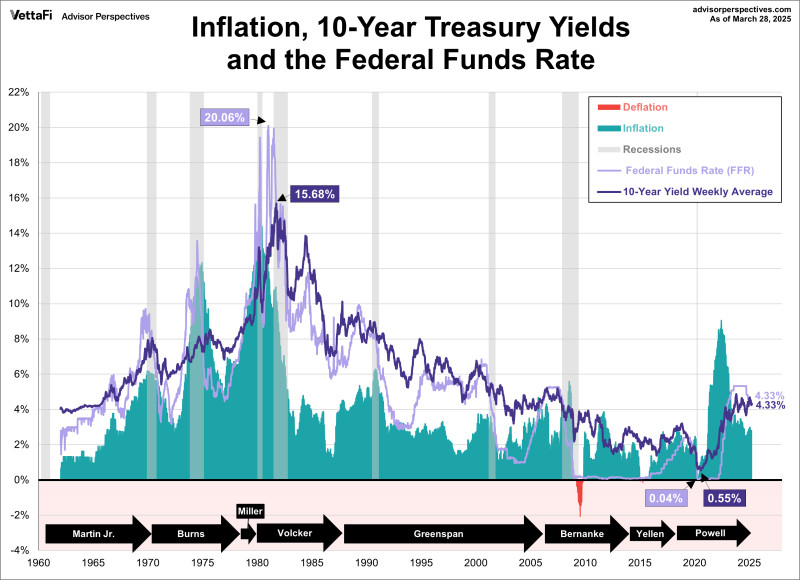
The Treasury yield curve is a critical tool for understanding the relationship between short-term and long-term yields and is a key indicator of economic conditions. The recent fluctuations in 10 year Treasury yields have led to an inversion of the yield curve, with short-term yields rising more than long-term yields. This inversion is often seen as a warning sign of a potential recession, as it indicates that investors are more concerned about short-term risks than long-term growth prospects. The latest data on the CBOE 10-Year Treasury Note interest rate index and Treasury yields provide insights into the current market sentiment and economic outlook.
Investors are closely monitoring the yield curve for signs of further inversion, as this could signal a deepening economic slowdown. The current yield curve rates, as of the most recent data, reflect the market's expectations for future economic growth and inflation. The 10-year Treasury yield is 4.68%, the 2-year is 4.17%, and the 30-year is 5.25%, as of August 17, 2026.
Additionally, the Treasury yield curve provides a par yield for a 10-year maturity, for example, even if no outstanding security has exactly 10 years remaining to maturity.
How will investors react to the latest 10 year treasury yield movements? The CBOE 10-Year Treasury Note interest rate index and Treasury yields are closely followed by investors and policymakers alike, as they reflect market expectations for interest rates, inflation, and economic growth. The recent volatility in 10 year Treasury yields highlights the importance of staying informed about the latest developments in the Middle East and their potential impact on financial markets.
The 10-year Treasury yield is 4.68%, the 2-year is 4.17%, and the 30-year is 5.25%.
The yield on the U.S. 30-year Treasury bond fell more than 2 basis points to trade at 5.282% recently, after hitting a new 19-year high earlier. The U.S. 30-year Treasury yields rose to their highest level since 2007, as stalled talks to end the U.S.-Iran conflict and worries of an imminent escalation sent oil prices above $90 a barrel.
The recent surge in 10 year treasury yields has had a ripple effect on the broader market, with investors seeking safe havens amid the uncertainty. The 30-year Treasury yields reflect broader market sentiment and investor appetite for risk, and the latest movements in 10 year Treasury yields underscore the delicate balance between geopolitical events and financial markets. The U.S. 30-year Treasury yields rose to their highest level since 2007, as stalled talks to end the U.S.-Iran conflict and worries of an imminent escalation sent oil prices above $90 a barrel.
How does this story make you feel?
 Up next · BusinessNeutrogena Stock Plummets Amid Backlash Over Hayden Panettiere Controversy