Bond Market Alarm Rings as Treasury Rates Spike, Markets Tremble

The bond market is screaming. Long-term Treasury yields are surging, pushing rates to their highest level in nearly two decades. What does this mean for the economy, and why should you pay attention? Think again if you believe this is just a financial glitch.
The Treasury Yield Surge and Market Reaction
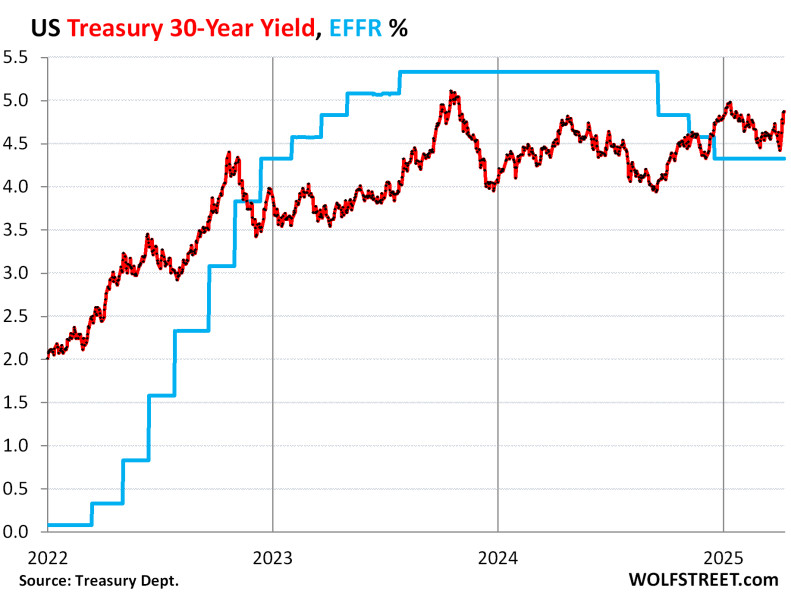
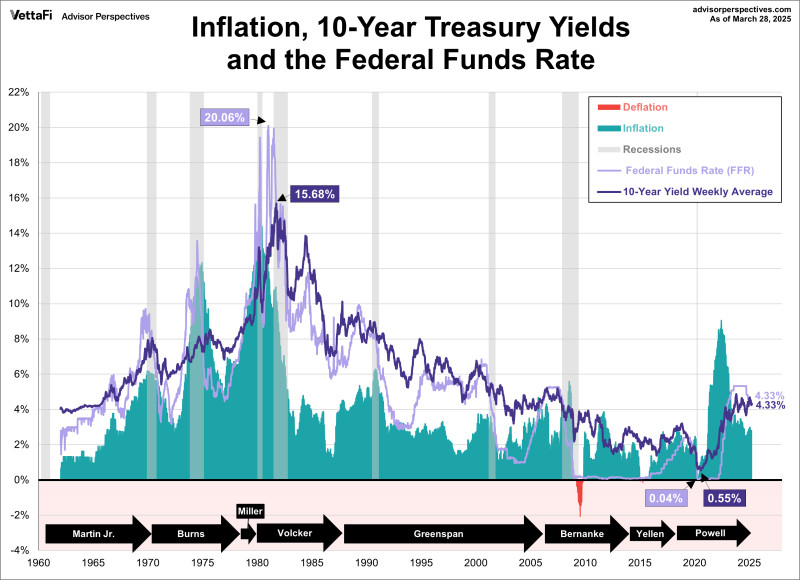
Recently, the U.S. Treasury yield on 30-year bonds has soared, reaching its highest level since 2007. This dramatic spike has sent shockwaves through the financial world, forcing the Treasury to double the buyback of government debt. The sudden increase in yields, which move inversely to bond prices, indicates growing concerns among investors about inflation, government debt, and the broader economic outlook.
Bond yields, which measure the return on investment for bondholders, are a critical indicator of market sentiment. As yields rise, the cost of borrowing increases for governments, corporations, and consumers. This can have a cascading effect on various sectors, from housing to corporate investments.
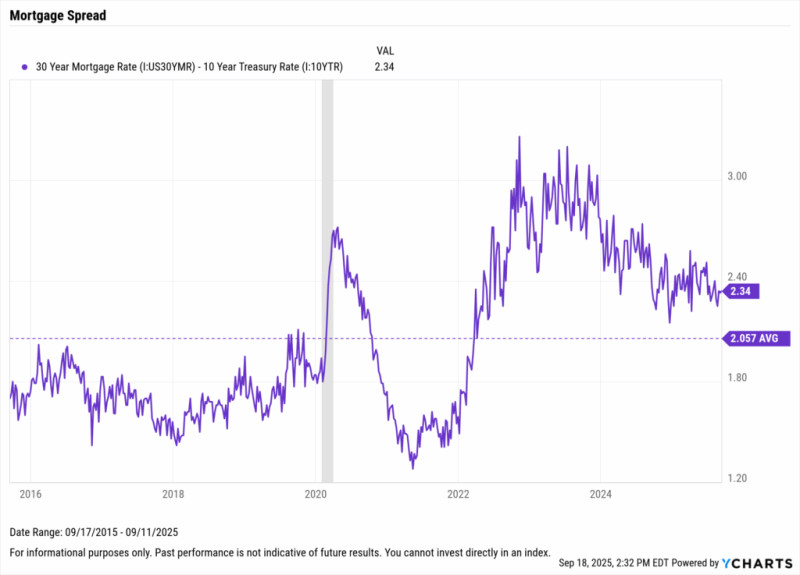
Home buyers, for instance, face higher mortgage rates, making it more challenging to afford a house. Similarly, corporations may find it more expensive to raise capital, potentially slowing down investments in new projects or expansions.
Economic Indicators and Market Concerns
The sell-off in the bond market is driven by a mix of economic indicators and market concerns. Inflation fears are at the forefront, as rising prices erode the purchasing power of fixed-income investments like bonds. Additionally, the escalating government debt levels are raising eyebrows, with some investors worrying about the sustainability of the U.S. fiscal policy.
Moreover, the Federal Reserve's stance on interest rates adds another layer of complexity. While the Fed hasn't raised rates recently, the bond market's actions suggest that investors are anticipating higher borrowing costs in the near future. This divergence between the Fed's official stance and market expectations can create volatility and uncertainty.
“The bond market is a barometer of economic health, and its current turmoil signals that investors are jittery about the future,” said an expert. “The surge in yields is a clear warning that something is amiss, and it’s time for policymakers to take notice.”
Impact on Global Markets and the Economy
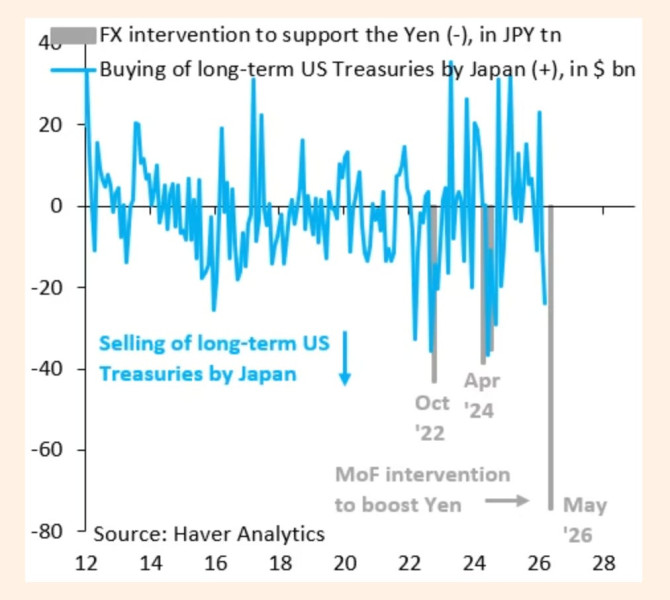
The tremors in the U.S. bond market are not confined to American shores. Global bond markets are also feeling the heat, with investors worldwide expressing concerns about inflation, government deficits, and the increasing competition from corporate bonds. This global sell-off is pushing up borrowing costs, which could have far-reaching implications for economies around the world.
In the U.S., the Trump administration has had to take emergency measures to ease the immediate impact on American pocketbooks. The Treasury's decision to double the buyback of government debt is a clear indication of the severity of the situation, though whether these actions will be enough to stabilize the market remains to be seen.
For the stock market, the rising yields and increased borrowing costs pose significant challenges. Higher interest rates make borrowing more expensive for companies, which could lead to reduced earnings and lower stock prices. This interplay between the bond and stock markets underscores the interconnectedness of financial markets and the need for vigilant monitoring.
The bond market is sounding the alarm, and investors should listen. The recent sell-off and the surge in Treasury yields are not just financialStatistics but indicators of broader economic concerns. As the market grapples with these challenges, the future remains uncertain, but one thing is clear: the bond market's warning signals demand attention and action. What happens next?
How does this story make you feel?
 Up next · BusinessTruck Accident Attorney Network Relaunches for Nationwide Expansion in Complex Cases