Former Top Adviser to David Morens Pleads Guilty to Federal Conspiracy Charges
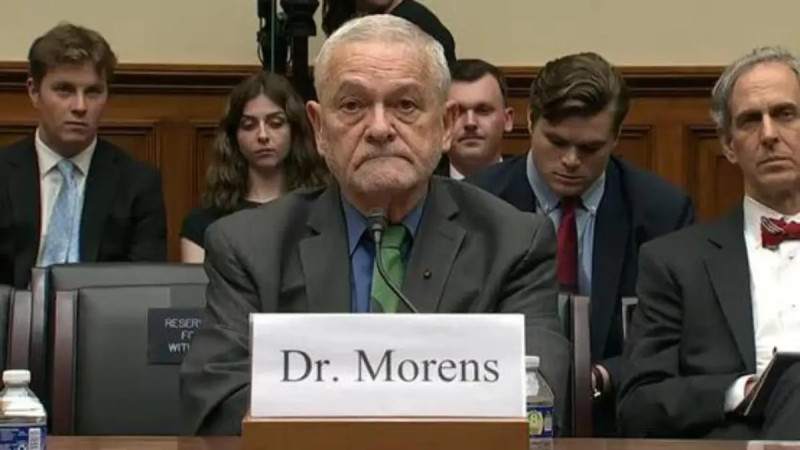
David Morens's recent plea is just the latest development in a scandal that has rocked the National Institute of Allergy and Infectious Diseases (NIAID) and raised serious questions about transparency and accountability within the federal government's handling of the COVID-19 pandemic. Morens, a longtime associate of Dr. Anthony Fauci, has pleaded guilty to conspiracy charges related to the concealment of federal records and the evasion of public information requests. Let's dive into the details of this unprecedented case and explore its implications for public health and government transparency.
The Scandal Unfolds: Morens' Conspiracy to Conceal COVID Research Records
The Federal Bureau of Investigation (FBI) investigated the case, leading to Morens' guilty plea. According to the indictment, Morens and his co-conspirators, allegedly including a former NIAID official, engaged in a scheme to evade the Freedom of Information Act (FOIA) and the Federal Records Act. This scheme involved concealing records related to COVID-19 research, particularly concerning the origins of the virus. The motivation behind this conspiracy remains speculative, but the implications for public trust and scientific integrity are profound.
Understanding the Legal Ramifications of Morens' Plea
The legal ramifications of Morens' guilty plea are significant. By pleading guilty to one count of conspiracy to commit offenses and to defraud the United States, Morens faces up to five years in prison and a fine of up to $250,000. The plea marks a pivotal moment in the ongoing scrutiny of the federal government's handling of the pandemic and underscores the importance of transparency and accountability in public health research. The plea also highlights the legal consequences for public officials who engage in such conspiracies, setting a precedent for future cases involving the concealment of public records. The guilty plea may also impact the guilt or innocence of other co-conspirators and hold them accountable for their actions.
A Counter-Argument: Transparency vs. Scientific Integrity
While the scandal has sparked outrage and calls for greater transparency, some argue that the pursuit of absolute transparency in scientific research can sometimes hinder progress. Scientists often need to protect their work from premature scrutiny, especially in the early stages of research. However, this argument fails to account for the public's right to know, especially when it comes to matters of public health and safety. The case of Morens and his co-conspirators serves as a stark reminder of the need for a balance between scientific integrity and public accountability.
Despite the ongoing investigations and legal proceedings, the public's demand for transparency in government and scientific research remains unyielding. As the COVID-19 pandemic continues to evolve, the need for open and honest communication between public health officials and the public becomes ever more critical. The guilty plea by David Morens serves as a stark reminder of the consequences of betraying that trust. As the federal government and public health officials grapple with the aftermath of this scandal, it is clear that the fight for transparency and accountability is far from over. Let's hope that the legal system will be able to handle all the cases with equal rigor and fairness.
How does this story make you feel?
 Up next · PoliticsMichigan Senate Race Polls: Tensions Rise as August Looms