Super El Niño 2026: The Climate Threat to Weather Patterns and U.S. Preparedness
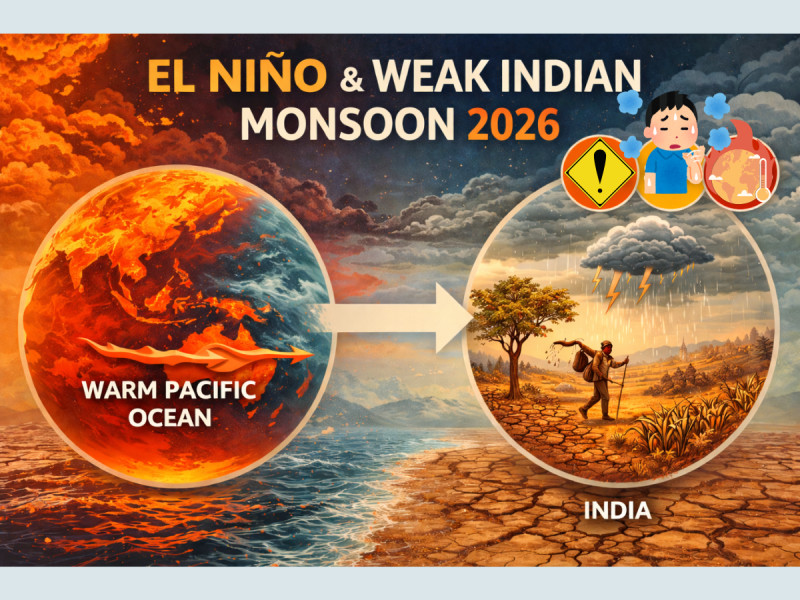
The Super El Niño 2026 is a looming climatic event that has meteorologists and climate scientists on high alert. NOAA and the WMO have both issued urgent warnings about the impending extreme weather this year, with 90% probability of developing. The potential impact of this climate anomaly has major implications for weather patterns, public health, and infrastructure across the globe and particularly in the United States. As the climate event continues to unfold, it has left many wondering about the specifics of its impact and how best to prepare for the changes it will bring.
Understanding Super El Niño 2026: Causes and Impacts
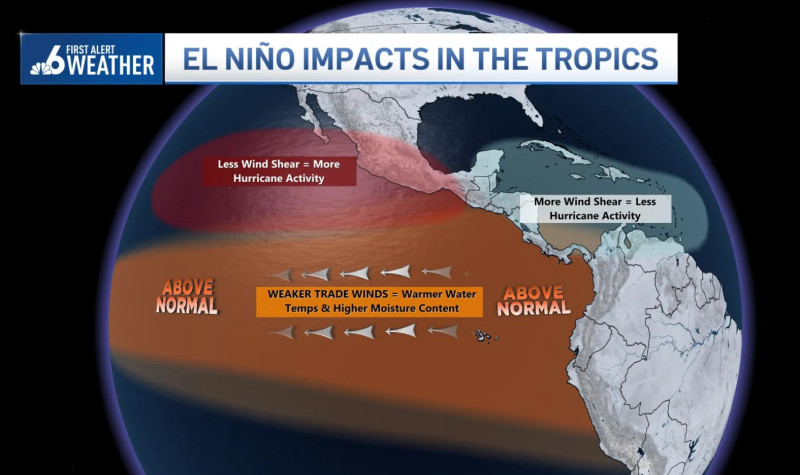
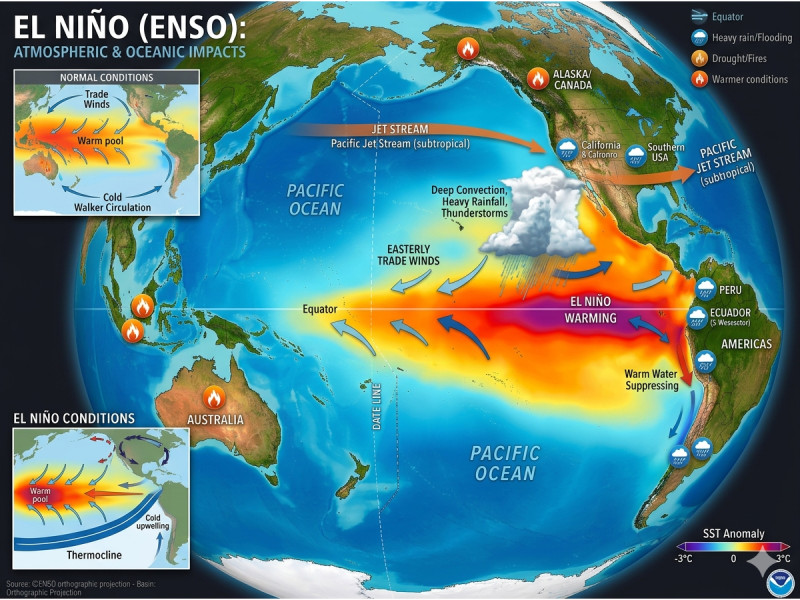
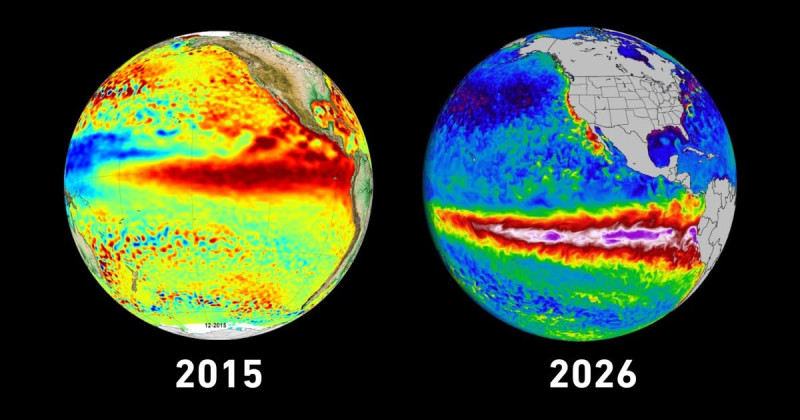
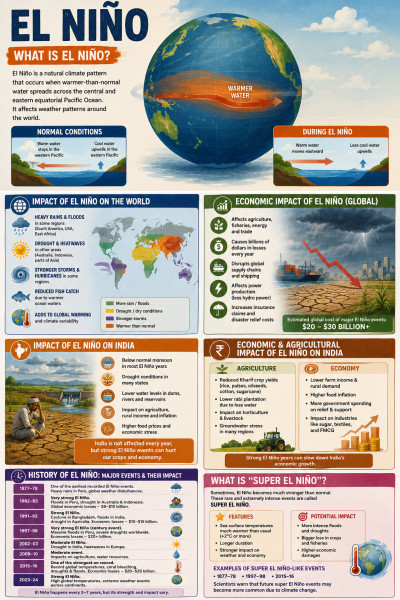
The Super El Niño is a cyclical weather pattern characterized by unusually warm ocean temperatures in the Pacific Ocean. This year, it is expected to be the strongest since at least 1950. The warming of the Pacific Ocean drives significant changes in atmospheric circulation, leading to widespread weather shifts. The impacts are far-reaching, including changes in rainfall patterns, increased risk of droughts in some regions, and a surge in tropical storms and hurricanes. The phenomenon is already influencing extreme weather events globally, with projections indicating potential record-breaking temperatures and droughts in various regions. The effects will be particularly pronounced in the United States where it could influence weather patterns into the fall and winter seasons. The NOAA and WMO have cautioned about the likelihood of extreme weather events, including floods, droughts, and heatwaves. The potential outcomes are dire, with the possibility of a record-breaking heat year.
Preparing for the Super El Niño in the United States
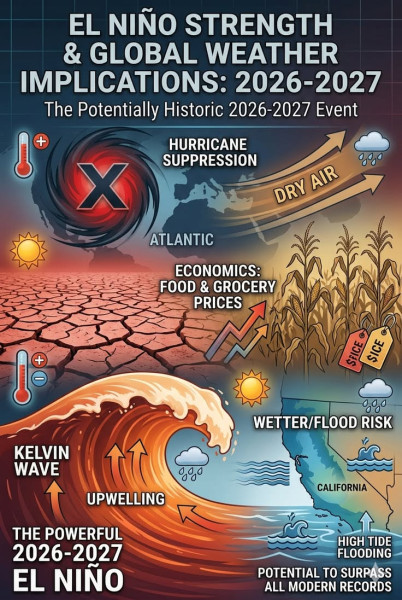
In the United States, the Super El Niño 2026 will have a profound impact on weather patterns, especially during the winter months. The NOAA has declared the phenomenon at Advisory status, signaling a very strong El Niño winter as the most likely outcome for 2026-2027. This winter is expected to bring increased precipitation to the western and southern regions, while the northern and eastern regions may experience milder conditions with reduced snowfall. The regions most at risk include states like California, Florida, and the Pacific Northwest, where heavy rainfall and potential flooding are expected. Meteorologists are advising residents to prepare for possible flooding, landslides, and other water-related risks. In contrast, areas in the Great Plains and Midwest may face prolonged drought conditions. The variability in weather patterns poses significant challenges for agriculture, water management, and infrastructure.
The Broader Global Implications
While the Super El Niño 2026 poses significant risks to the United States, its effects are not confined to North America. The global community is bracing for a major atmospheric reset, with significant shifts in weather patterns expected across the globe. The WMO has highlighted the potential for extreme weather events, including heatwaves, droughts, and floods, which could exacerbate existing climate vulnerabilities. The World Meteorological Organization warns that the combination of Super El Niño and ongoing climate change could lead to unprecedented climate extremes. The organization advises governments and communities to prepare for these challenges, emphasizing the importance of early warning systems and disaster preparedness.
"The Super El Niño 2026 is not just an isolated event; it is a stark reminder of the interconnectedness of our climate system. The actions we take today will shape the future of our planet and our ability to adapt to these changes."
As the Super El Niño
How does this story make you feel?
 Up next · ScienceBlood Moon Total Lunar Eclipse Today: A Rare Celestial Event