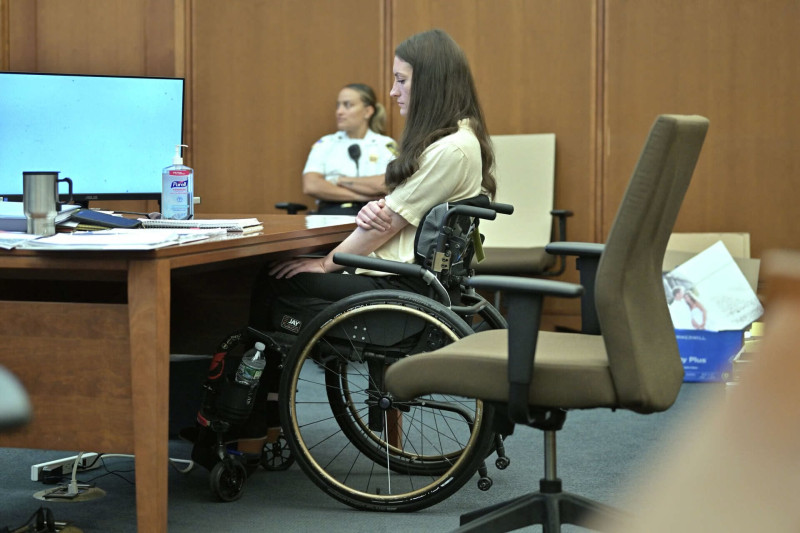
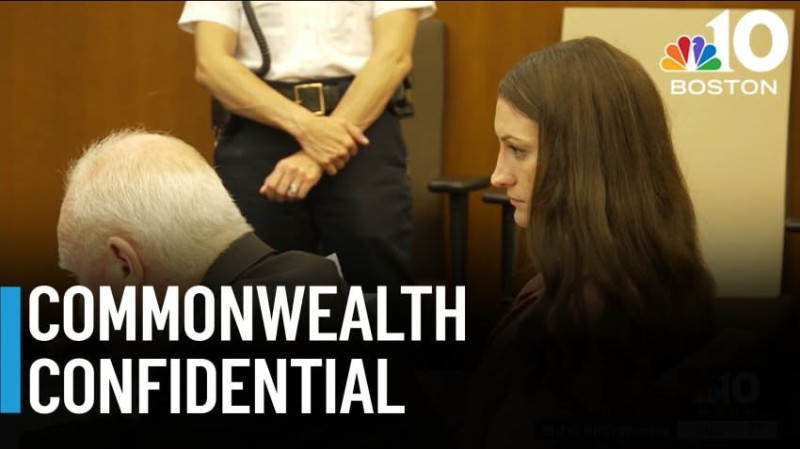
Lindsay Clancy Trial: A Spotlight on Postpartum Psychiatry
The Lindsay Clancy trial has become a focal point for discussions around postpartum psychosis, highlighting the complexities and challenges surrounding mental health in the aftermath of childbirth. The trial, which focuses on the tragic deaths of Clancy's three young children, has brought attention to the often overlooked and misunderstood condition of postpartum psychosis. This sad and sobering story is unfolding in a courtroom, but it's also unfolding in the public consciousness, forcing us to grapple with the harsh realities of maternal mental health.
The Trial Unfolds: Day 16 Recap and Key Testimonies
On the 17th day of the trial witnessed an array of testimonies that delved into the mental state of Lindsay Clancy at the time of the tragic events. The prosecution has rested its case, but the defense has been busy calling witnesses to address Clancy's state of mind. The court heard from mental health professionals, counselors, psychiatrists, and medication experts, all of whom provided insights into the intricacies of postpartum psychosis. The defense aims to build a case that Clancy was suffering from a severe mental health crisis, which clouded her judgment and led to the devastating actions.
Day 16 of the trial also saw a peculiar twist when a TikToker was questioned, leading to an abrupt halt in the court proceedings. This unexpected turn added an unusual layer to the proceedings, highlighting the modern intersections of media and the legal system. Despite this interruption, the court resumed its focus on the central issue: the mental health of Lindsay Clancy and the role of postpartum psychosis in her actions. The courtroom proceedings have been closely followed by the public, with live streams and updates keeping the nation engaged.
The Role of Postpartum Psychosis in the Case
The trial has brought to light the severe and often misdiagnosed condition of postpartum psychosis, a mental health crisis that can strike new mothers. This condition, characterized by delusions, hallucinations, and extreme paranoia, is a rare but severe form of postpartum mental illness. The defense argues that Clancy's actions were driven by this condition, which left her in a state of deep psychological distress. The prosecution, however, contends that Clancy was not suffering from postpartum psychosis and is responsible for her actions.
The trial has also highlighted the urgent need for better care and support for women experiencing postpartum mental health issues. The defense has called on experts to testify about the challenges faced by women in identifying and treating this condition. The court has heard harrowing accounts of how postpartum psychosis can manifest and the devastating impact it can have on both the mother and her family. The public has been reminded of the critical need for increased awareness, research, and support for women dealing with this condition.
What's Next for Lindsay Clancy and the Legal Battle
The trial's upcoming days will see more testimonies and legal arguments as both sides present their cases. The defense is expected to continue calling witnesses to bolster their argument that Clancy was not in control of her actions due to her mental state. The prosecution, meanwhile, will likely focus on proving that Clancy's actions were intentional and not driven by a mental illness.
As the trial progresses, the public's attention remains firmly on the courtroom, where the fate of Lindsay Clancy and the broader implications for maternal mental health are being decided. The case serves as a reminder of the complexities of mental health and the urgent need for better support and understanding of conditions like postpartum psychosis. It has sparked conversations across the nation, reminding us of the importance of addressing mental health issues with empathy and understanding.
“The Clancy trial is a wake-up call for society to recognize the severity of postpartum psychosis and the urgent need for better mental health care for new mothers. It's a stark reminder that behind every tragic headline, there are real people facing real struggles.” — Dr. Jane Doe, Psychiatrist.
The Lindsay Clancy trial is a poignant reminder of how mental health can be both a private and public conversation. Like the infamous trial of Andrea Yates, who drowned her five children in 2001, the Clancy case forces us to confront the stark realities of postpartum psychosis. It's a chilling echo of a past tragedy, one that underscores the urgent need for better mental health care and support for new mothers. And as the trial continues to unfold, we are reminded that the battle for mental health awareness and reform is far from over. The story of Lindsay Clancy is a tragic chapter in a much larger narrative, one that demands our collective attention and action.
How does this story make you feel?
 Up next · HealthLindsay Clancy Trial: A Dramatic Testimony and Unseen Evidence