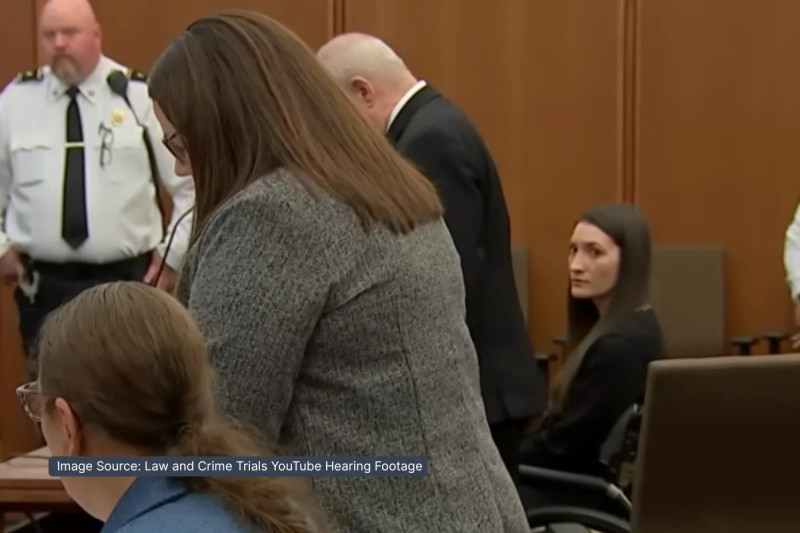
Lindsay Clancy Trial: A Dramatic Testimony and Unseen Evidence

In the somber atmosphere of a Massachusetts courtroom, the ongoing Lindsay Clancy trial has once again captivated the nation and brought intense attention to the complex and often misunderstood condition of postpartum psychosis. The high-stakes drama unfolded as the defense team presented a new wave of evidence, aiming to shed light on the mental state of the accused mother. As the trial progresses, the public's gaze remains fixed on the intricate details of this deeply emotional and psychologically charged case.
Lindsay Clancy Trial: The Eerie Testimony of Patrick Clancy
The Lindsay Clancy trial has been marked by a series of gripping testimonies, most notably that of Patrick Clancy, the ex-husband of Lindsay Clancy. Patrick Clancy's account of the tragic events has been pivotal in shaping the court's understanding of the pivotal moments leading up to the alleged killings. Patrick Clancy testified that he had left the house to pick up medication and food, only to return home to a horrifying scene: Lindsay Clancy was found on the ground outside, while the children were unresponsive in the basement. His testimony has brought to light the terrifying moments that unfolded that fateful day, and has left a lasting impression on both the jury and the public. The testimony of Patrick Clancy, recounting the chilling discovery, adds a layer of complexity to the case, as it highlights the acute distress and confusion that Lindsay Clancy was experiencing at the time.
The Unseen Postpartum Psychosis Evidence: A New Twist in the Trial
As the trial delves deeper into the psychological landscape of Lindsay Clancy, the defense has introduced compelling evidence that underscores the severity of postpartum psychosis. Lindsay Clancy's defense team has argued that the accused was experiencing a severe episode of this condition at the time of the alleged incident. The presentation of medical records, expert testimonies, and psychiatric evaluations has provided a nuanced picture of the mental turmoil that Lindsay Clancy was facing. The defense has highlighted the need for a more compassionate understanding of mental health, emphasizing that postpartum psychosis is a severe and often misdiagnosed condition that can lead to devastating outcomes. Recent testimony has also underscored the gaps in the current medical understanding and treatment of postpartum psychosis, calling for more research and awareness.
Patrick Clancy: A Missing Piece in the Puzzle
The absence of Patrick Clancy, the ex-husband of Lindsay Clancy, has added an additional layer of complexity to the trial. Patrick Clancy has been notably absent from the courtroom, raising questions about his whereabouts and potential involvement in the case. The defense and prosecution have both acknowledged the significance of his testimony, as his account could provide crucial insights into Lindsay Clancy's mental state and the events surrounding the tragic incident. The missing element of Patrick Clancy's presence has left the courtroom in a state of suspense, with both legal teams and the public eagerly awaiting his return. This absence has cast a shadow over the trial, as it leaves a piece of the puzzle unaccounted for, and adds to the overall sense of uncertainty and tension in the courtroom.
"The high-profile murder trial of Lindsay Clancy has put the condition of postpartum psychosis in the spotlight. Women who have had it call for more research and understanding of a difficult mental illness."The latest developments in the Lindsay Clancy trial continue to captivate public attention, as the complex interplay of mental health, legal intricacies, and human drama unfolds in the courtroom.
How does this story make you feel?
 Up next · HealthLindsay Clancy Trial Intensifies: Postpartum Psychosis at the Center