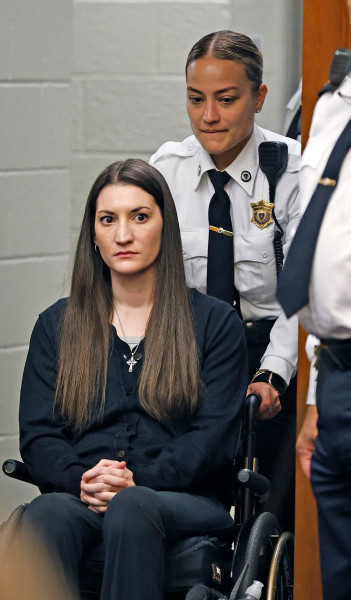
Shocking New Evidence Emerges in Lindsay Clancy Trial: Postpartum Psychosis Takes Center Stage
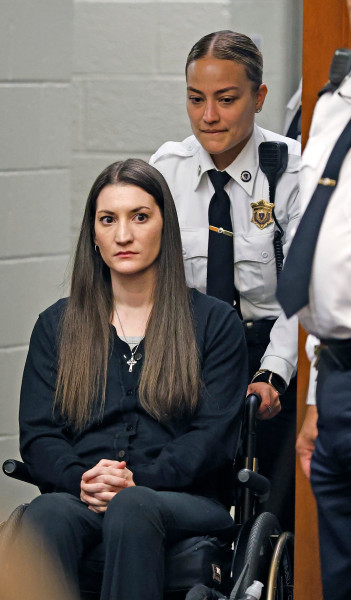
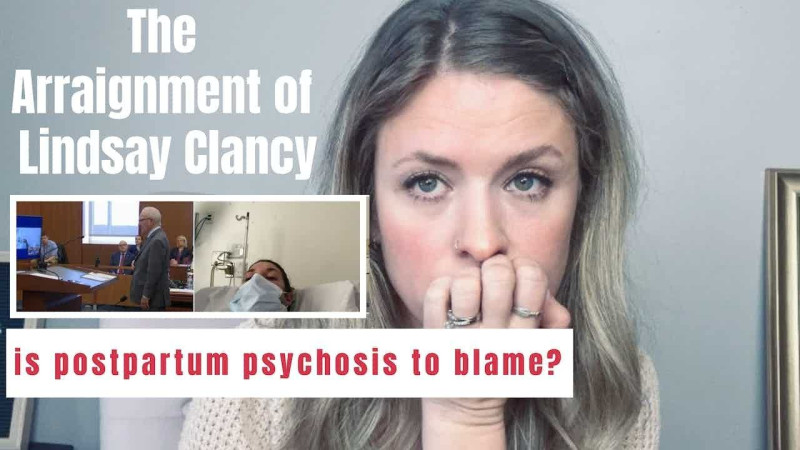
In the continuing saga of the Lindsay Clancy trial, recent courtroom developments have brought the spotlight back onto the disturbing and complex nature of postpartum psychosis as the defense argues that the 36-year-old Duxbury mother was not criminally responsible for the deaths of her children. As the trial moves into its crucial phases, the courtroom has become a battleground of forensic pathology and psychiatric expertise, with Lindsay Clancy’s defense team painting a chilling picture of a woman overwhelmed by a severe mental health crisis.
The Psychological Battle: Postpartum Psychosis and Criminal Responsibility
The defense team for Lindsay Clancy has presented compelling arguments that her actions were driven by postpartum psychosis, a severe form of mental illness that can manifest in new mothers. According to the testimony of defense experts, Clancy’s mental state was so compromised that she was unable to discern right from wrong, a cornerstone argument for psychiatrists who contend that she should be held not criminally responsible. Despite the prosecution’s efforts to portray Clancy as a calculating murderer, the defense has highlighted the terrifying symptoms of her psychosis, including delusions and hallucinations that are consistent with her actions.
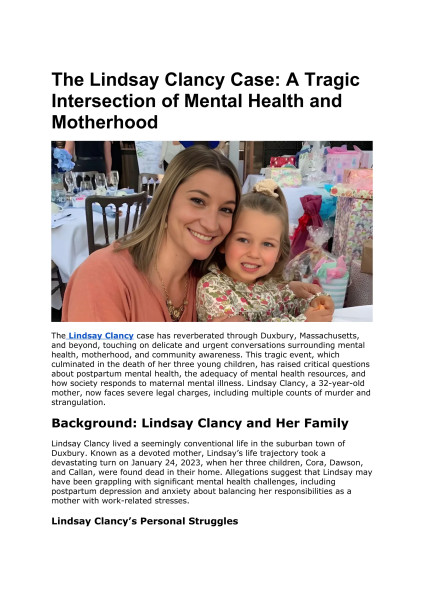
However, the prosecution is not without its own arsenal of evidence. The prosecution has meticulously detailed the sequence of events leading to the deaths of 5-year-old Cora, 3-year-old Dawson, and 8-month-old Callan, underscoring the meticulous planning and execution of the acts, which they claim defies the defense’s narrative of a sudden psychotic break. The prosecution has also called upon a series of psychiatrists and forensic experts who challenge the defense’s claims, arguing that Clancy’s actions were premeditated and not driven by mental illness.
The Courtroom Drama: Expert Testimonies and Unseen Twists
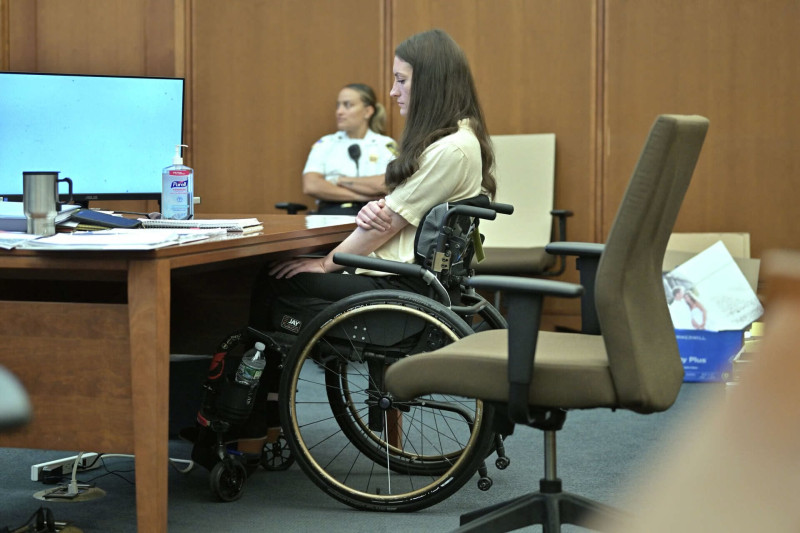
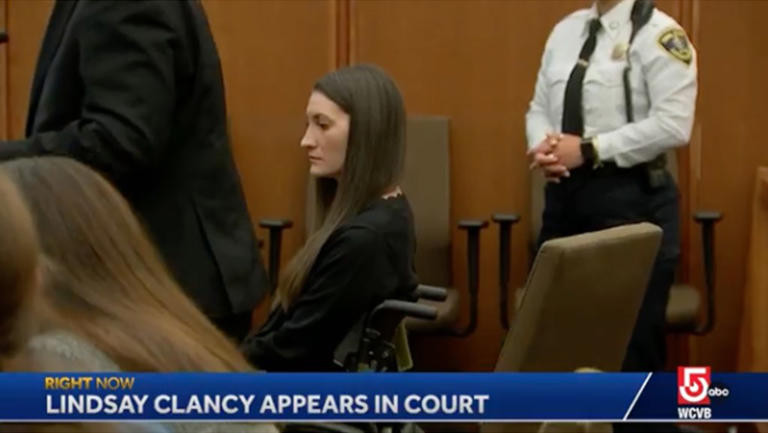
The trial has been marked by a series of dramatic testimonies, with experts from both sides presenting diverging views on postpartum psychosis and criminal responsibility. The recent court proceedings have seen a forensic pathologist's reconstruction of the Duxbury home, which offers a grim insight into the events that unfolded on that fateful day. Additionally, the trial has witnessed the questioning of a TikToker, which added an unexpected twist to the proceedings. The court's abrupt ending on the 16th day of testimony has left many wondering about the impact of this and other testimonies on the outcome of the case.
One of the most contentious moments came when the defense presented a psychiatrist who testified about the specific symptoms of postpartum psychosis that Clancy was likely experiencing. According to the expert, Clancy’s delusions and hallucinations were so severe that she was incapable of understanding the gravity of her actions. The defense has highlighted the fact that Clancy had a history of mental health struggles, which was exacerbated by the stress of motherhood and the demands of her nursing career.
The Public Eye: Media Coverage and Court TV Viewership
The Lindsay Clancy trial has captured the nation's attention, with live streams available on Court TV and extensive media coverage by outlets such as NBC. The trial’s live broadcast has drawn millions of viewers, making it one of the most-watched legal proceedings in recent times. The intense public interest is fueled by the horrific nature of the crime and the complex psychological narrative that underpins the defense’s case.
While the media has largely focused on the shocking details of the case, it is crucial to remember that at the heart of this trial is a mother who is grappling with severe mental health issues. As the trial progresses, the public’s understanding of postpartum psychosis and the broader implications for mental health and criminal responsibility will continue to evolve. If found not criminally responsible, it is still uncertain if Clancy will receive the treatment she needs.
In recent developments, the defense has called for additional psychiatric evaluations, arguing that a comprehensive understanding of Clancy’s mental state is essential for a fair trial. The prosecution, on the other hand, has called for more detailed forensic evidence, arguing that the defense’s claims of psychosis do not align with the meticulous nature of the crimes.
The defense’s argument relies heavily on the notion that postpartum psychosis is a real and debilitating condition that can drive individuals to commit unspeakable acts. As psychiatrists continue to weigh in on the case, the public is left to grapple with the complexities of mental health and criminal justice.
How does this story make you feel?
 Up next · HealthPublix's Frozen Blueberry Recall: A Chilling Ripple in the Produce Aisle