In the Wake of Peru's Latest Earthquake: Magnitude 6.7 Shakes the Andes
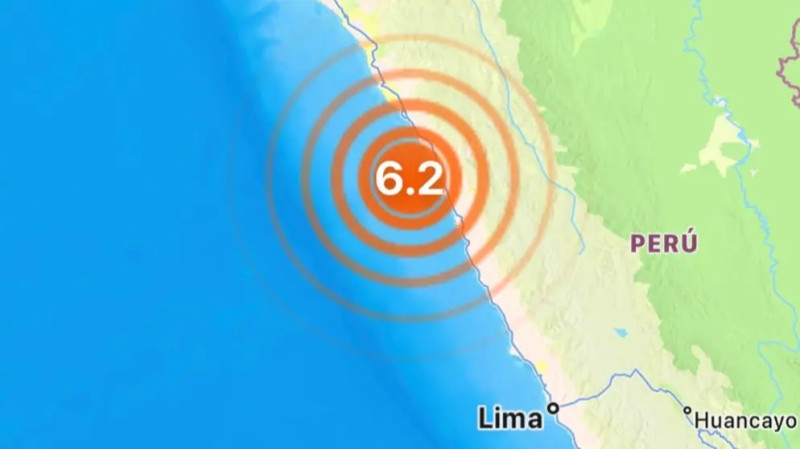
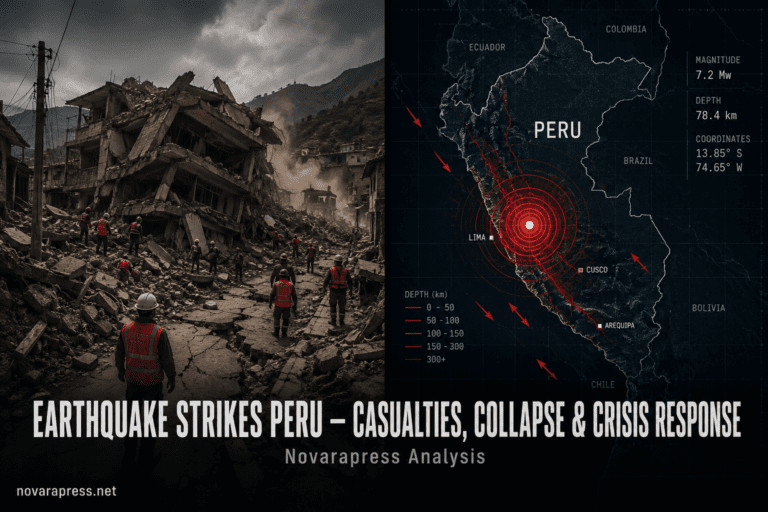
The sun hung low in the sky, casting long shadows over the rugged landscape of central Peru. The air was still, as if holding its breath, and then, without warning, the ground began to tremble. The earthquake, a magnitude 6.7, struck recently, sending shockwaves through the Andes Mountains and leaving a trail of disruption and concern in its wake.
The Quake: A Sudden Disruption in the Andes
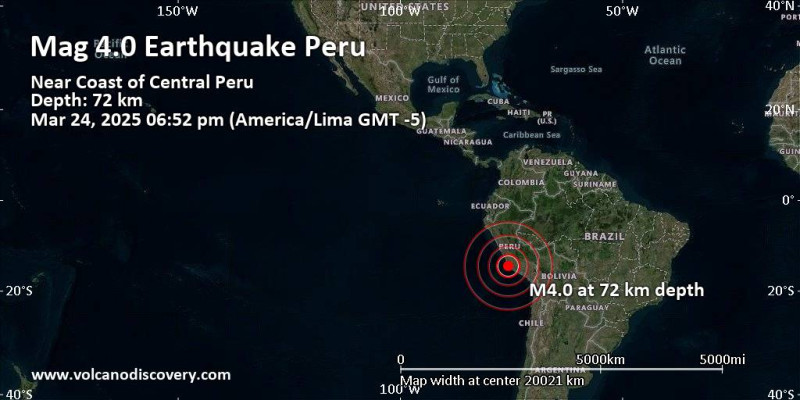
At the epicenter, the tremors were intense. "It felt like the world was shaking apart," said Maria Lopez, a resident of Upahuacho, a small town nestled in the Parinacochas province of the Ayacucho region. "The ground rolled under our feet, and everything was thrown into chaos." The quake, which struck around 1 p.m. local time, was centered approximately 38 kilometers (24 miles) northwest of Upahuacho, near the Nazca-South America Subduction Zone, a hotspot for seismic activity.
A 6.7 magnitude quake is significant, capable of causing widespread damage and injury, especially in more sparsely populated and less prepared areas. For residents like Maria, the sudden disruption was a stark reminder of the ever-present geological forces at work beneath the Earth's surface. "We thought it would never end," she recalled, her voice trembling with the memory. "The walls shook, and the windows rattled until we thought they would shatter."
The tremors were felt across a broad region, with reports coming in from as far away as Lima, Peru's capital. According to the United States Geological Survey (USGS), the earthquake was centered at a depth of about 100 kilometers, which contributed to its widespread impact.
The Aftermath: Damage Assessed, Injuries Reported
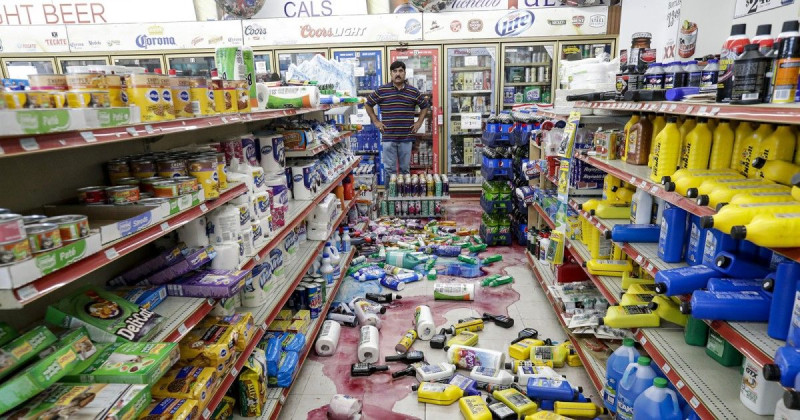
Initial reports indicate that while the earthquake was powerful, the damage was relatively contained. In the immediate aftermath, authorities reported no immediate casualties or significant damage, a testament to the region's preparedness and the community's resilience. However, as more information trickles in, the true extent of the impact becomes clearer. At least three people have been injured, and several buildings have been damaged, adding to the growing list of concerns for the affected communities.
In the days following the earthquake, a sense of relief mingle with lingering unease. While the immediate threat has passed, residents are left to grapple with the aftermath. "We're lucky, but it's a reminder that we can't let our guard down," said Alberto Garcia, a local shopkeeper. "We need to be ready for the next one."
The Response: Community and Authorities Step Up
In the aftermath of the earthquake, the response has been swift and coordinated. Local authorities, along with international agencies, have mobilized to assess the damage and provide support to those in need. The government has also taken steps to ensure that the affected areas receive the necessary resources to rebuild and recover.
"We're doing everything we can to help," said a spokesperson for the Peruvian government. "Our priority is to ensure the safety and well-being of all residents. We are committed to providing the necessary support to rebuild and strengthen our communities."
Experts, however, caution that while the immediate response has been effective, the long-term impact of the earthquake will require sustained efforts. "Earthquakes like this are a stark reminder of the ongoing geological activity in the region," said Dr. Maria Rodriguez, a seismologist at the National Institute of Geophysics. "We need to invest in preparedness and infrastructure to mitigate future risks."
"While the immediate response has been effective, we need to remain vigilant and prepared for future seismic activity."
As the sun sets on the shaken landscape, the people of Peru are left to reflect on the earthquake's impact and the resilience of their communities. The ground may have settled, but the memory of the tremors lingers, a reminder of the unpredictable and powerful forces at work beneath the Earth's surface and the importance of being prepared.
How does this story make you feel?
 Up next · WorldTragedy in Vegas: Alisa Goods' Mysterious Death Stuns Family and Friends