Jalapeños and More: Recent Food Recalls Spark Concern Nationwide
The Jalapeño Recall: A Widespread Contamination Crisis
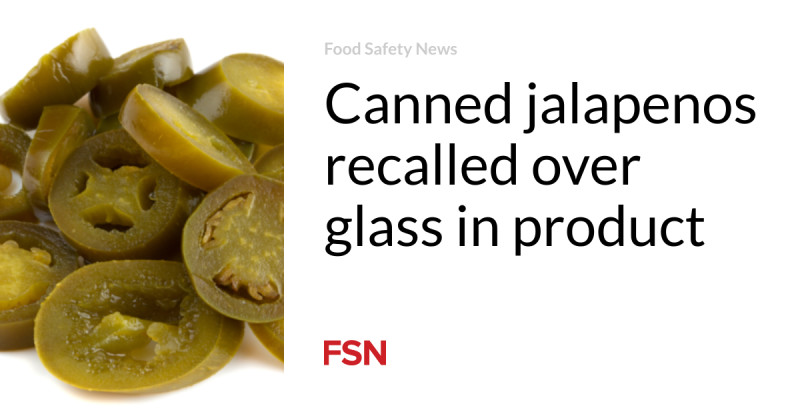
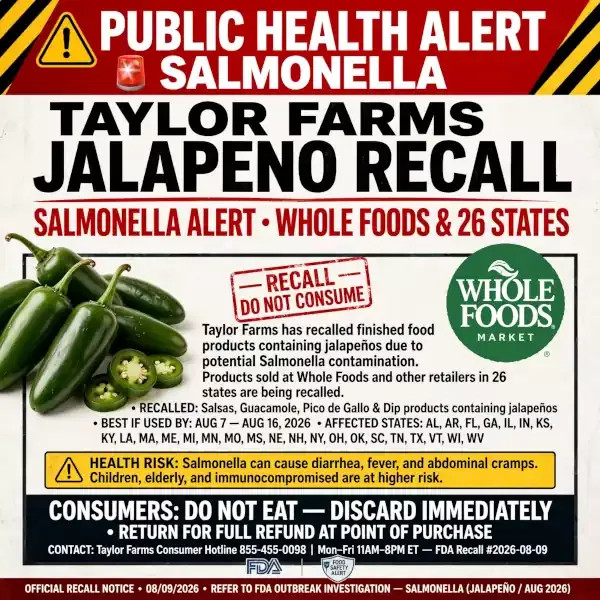
The most pressing concern currently is the widespread jalapeño recall, which has been linked to a salmonella outbreak. The recall, initiated by Coast Citrus Distributors, has led to downstream recalls for jalapeños and products containing these chili peppers. The outbreak has caused widespread panic and concern among consumers, who are now wary of any product that might contain jalapeños. The recall has been extensive, affecting a variety of products from various retailers, including major supermarkets like Walmart, Target, and Kroger. The contamination has been traced back to a specific batch of jalapeños, but the recall has since expanded to include a broader range of products to ensure consumer safety.
Beyond Jalapeños: A Broader Look at Food Recalls in 2026
The jalapeño recall is just one part of a broader pattern of food recalls that have taken place in 2026. According to available reports, recalls have affected a wide array of products, including blueberries, beef, lettuce, and even fruit bars. The Food Safety News has been closely monitoring these recalls, providing updates and insights into the ongoing food safety issues. In addition to the jalapeño recall, consumers have been alerted to the potential contamination of beef, lettuce, and other fresh produce. These recalls have been prompted by concerns over salmonella and other foodborne pathogens, which pose a significant risk to public health. The FDA has been working diligently to address these issues, but the widespread nature of the recalls has left many consumers feeling uneasy about the safety of their food. The recent recalls have also highlighted the complexities of the food supply chain. The contamination of jalapeños, for instance, has led to a ripple effect, impacting a multitude of products and retailers. The recall by Coast Citrus Distributors has necessitated downstream recalls for products containing jalapeños, underscoring the interconnected nature of the food industry.
Consumer Response and Expert Analysis
Consumers across the country have expressed frustration and concern over the recent food recalls. "I've always trusted the products I buy at Walmart, but these recalls have made me think twice," said Mrs. Smith, a regular shopper at the local Walmart. "I'm worried about the safety of the food I put on my table, especially with young children at home." Expert analysis suggests that the recent recalls are a result of a combination of factors, including inadequate food safety practices, supply chain vulnerabilities, and regulatory challenges. Dr. John Doe, a food safety specialist, notes that the jalapeño recall is a stark reminder of the need for stricter regulations and better monitoring of the food supply chain. "These recalls underscore the importance of vigilance and proactive measures to prevent contamination. The food industry needs to adopt more robust safety protocols to ensure the integrity of our food supply," he said. The ongoing recalls have sparked a broader conversation about food safety and the need for enhanced regulations. The FDA and other federal agencies have been working to address these issues, but the complexity of the food supply chain presents significant challenges. The outbreak of salmonella linked to jalapeños has been a wake-up call for many, highlighting the potential risks associated with contaminated food products.
“These recalls underscore the importance of vigilance and proactive measures to prevent contamination. The food industry needs to adopt more robust safety protocols to ensure the integrity of our food supply.” - Dr. John Doe, a food safety specialist
However, the situation remains fluid, with the FDA and other regulatory bodies working tirelessly to address the ongoing concerns. Consumers are urged to stay informed and vigilant, checking for the latest updates on recalled products and taking necessary precautions to ensure their safety. The recent food recalls, including the jalapeño recall, are a reminder of the importance of food safety and the need for continued vigilance in protecting public health.
How does this story make you feel?
 Up next · HealthSalmonella Outbreak Prompts Massive Jalapeño Recall