Secretary of Transportation Announces Major Airspace Changes
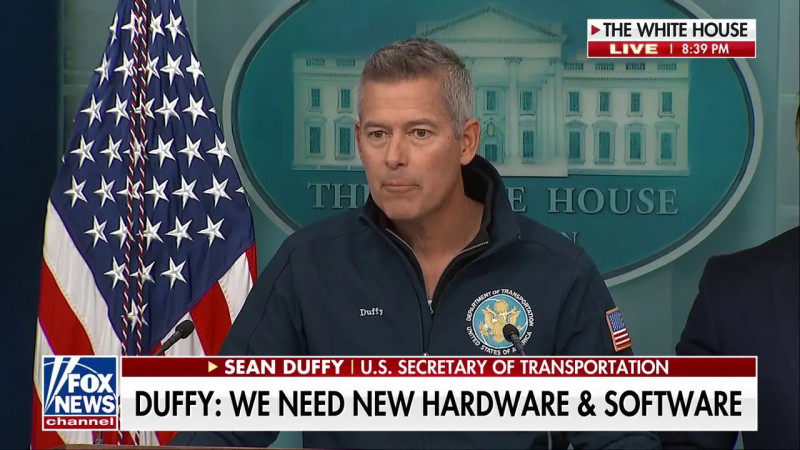
The lights flickered and dimmed momentarily, drawing the attention of reporters huddled in the fluorescent glare of the briefing room. The hum of phones buzzing in pockets quickly ceased as U.S. Transportation Secretary Sean P. Duffy strode to the podium — his expression inscrutable. Today, the nation's airspace policy hangs in the balance as the Transportation Secretary announces measures to address a recent, unprecedented nationwide ground stop, shaking up the aviation industry.
The Ground Stop: What Happened?
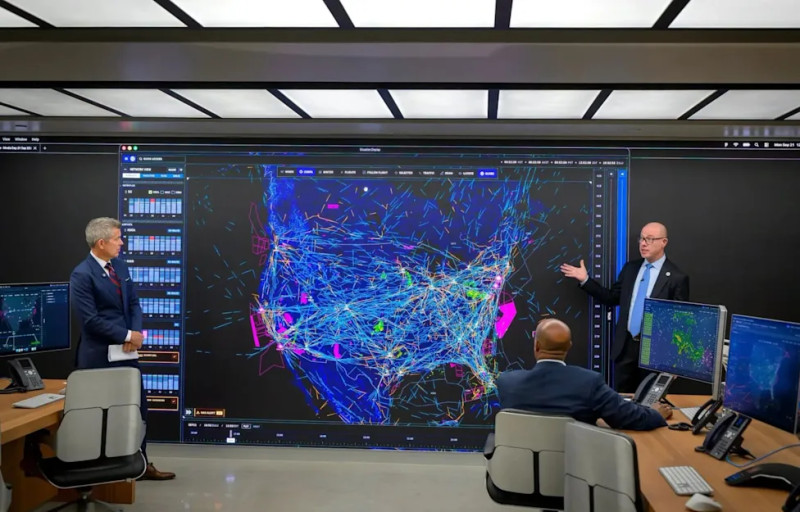
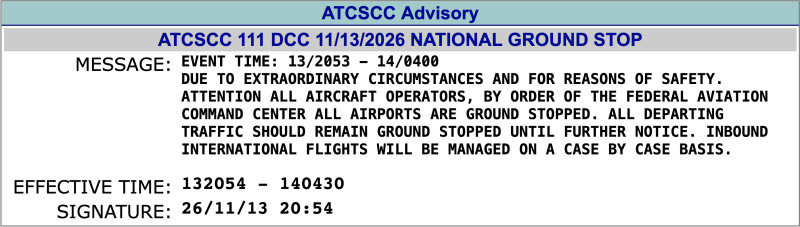
In recent times, the aviation industry faced a sudden and dramatic halt as a nationwide ground stop was implemented, causing widespread disruption. The Transportation Secretary of Transportation announced that the Federal Aviation Administration (FAA) had lifted the stop, but the reasons behind it are still being scrutinized. Transportation Secretary Sean P. Duffy, alongside Department of Homeland Security Secretary Markwayne Mullin, called for increased funding to bolster air traffic control systems, citing the incident as a wake-up call for the nation's aviation infrastructure.
The ground stop, which occurred recently, left thousands of passengers stranded and airlines scrambling to rebook flights. The exact cause of the ground stop remains under investigation, but preliminary reports suggest technical glitches and air traffic control issues played a significant role. The incident has sparked a call for renewed investment in the FAA's systems, with Duffy and Mullin emphasizing the need for advanced technology to prevent future disruptions.
— The timing of the ground stop couldn't have been worse, coming just as the holiday travel season was about to peak, said one industry insider who requested anonymity. The logistics of rerouting flights and managing stranded passengers have been a nightmare for airlines.
Secretary Duffy's Response: New Measures and Safety Enhancements
In response to the ground stop, Transportation Secretary Sean Duffy has implemented new measures aimed at enhancing safety and efficiency in the nation's airspace. One of the most significant changes involves the suspension of visual separation between airplanes and helicopters in areas where these aircraft frequently cross busy airport paths. This decision is part of a broader effort to modernize air traffic control systems and ensure safer skies for all.
Under the new General Notice (GENOT), the FAA now mandates the use of more advanced separation techniques, which rely on electronic systems rather than visual cues. This shift is expected to reduce the risk of mid-air collisions and improve overall safety. The FAA Administrator Bryan Bedford highlighted the importance of this change, noting that it aligns with the agency's commitment to innovation and safety.
The FAA's decision to suspend visual separation has been met with mixed reactions from the aviation industry. While some pilots and air traffic controllers welcome the move as a step towards modernization, others are skeptical about the reliability of electronic systems. The FAA has assured that extensive testing has been conducted to ensure the effectiveness of the new measures.
The Path Forward: Funding and Technology
To support these new measures, Transportation Secretary Sean Duffy and Secretary Mullin have called on Congress to provide additional funding for air traffic control systems. The recent ground stop has underscored the urgent need for investment, especially as the aviation industry continues to grow. The U.S. Transportation Department has emphasized that advanced technology and better infrastructure are crucial for maintaining safe and efficient air travel.
The proposed funding will be directed towards upgrading FAA systems, improving air traffic control technologies, and enhancing safety protocols. The Department of Homeland Security will also play a crucial role in ensuring that the new measures are effectively implemented and enforced. "This is a wake-up call for our nation's aviation infrastructure," said Mullin, underscoring the importance of immediate action.
In the wake of the ground stop, the focus has shifted to long-term solutions that can prevent similar incidents. The Transportation Secretary has also announced the launch of the Great American Digital Corridors Program, which will streamline highway safety data and improve road infrastructure. The program, funded by $20 million, aims to leverage technology to enhance safety and efficiency on the nation's highways.
The new measures and funding initiatives are part of a broader effort to modernize the nation's transportation infrastructure. The Transportation Secretary has repeatedly emphasized the need for a comprehensive approach that integrates advanced technology and robust safety protocols. The recent ground stop has only reinforced the urgency of these efforts, driving the need for immediate and effective action.
"We're at a critical juncture," Duffy said, his voice steady and determined. "The choices we make today will shape the future of our transportation system. We owe it to the public to ensure that our skies and roads are safe and efficient." As the briefing room emptied, reporters hurried to file their stories, the hum of phones resuming its steady rhythm, but the stakes were clear. The future of air travel hangs in the balance, and the Transportation Secretary is taking bold steps to secure it.
How does this story make you feel?
 Up next · PoliticsJonathan Kreiss-Tomkins Triumphs in Alaska Governor Race 2026